 简体中文
简体中文 English

Lubrication maintenance methods for differential shafts
Lubrication Maintenance Techniques for Differential Shafts
Understanding Differential Shaft Lubrication Requirements
Differential shafts operate under high rotational speeds and torque loads, requiring precise lubrication to prevent premature wear. The lubrication system must accommodate both radial and axial forces generated during vehicle turning maneuvers. For example, in heavy-duty trucks, the first-stage reduction gears often use spiral bevel gears that demand specialized lubricants to maintain hydrodynamic film formation under high sliding rates.
The lubricant viscosity grade directly impacts performance. Vehicles operating in cold climates require 75W-90 or lower-viscosity oils to ensure proper flow at low temperatures, while high-temperature environments necessitate 85W-140 grades to resist thermal breakdown. A case study involving mining equipment demonstrated that switching to a synthetic 75W-140 gear oil reduced differential temperatures by 15°C during continuous operation, extending component life by 40%.
Key Inspection Parameters for Lubrication Systems
Regular inspections must focus on three critical areas:
1. Oil Level Verification
For passenger vehicles, the differential oil level should align with the fill plug's bottom edge when the vehicle is lifted. A deviation exceeding 6mm indicates either leakage or improper filling. Commercial vehicles with separate differential housings require daily checks using dipsticks calibrated to specific temperature ranges. In one fleet maintenance program, implementing standardized oil level checks reduced differential failures by 62% over 12 months.
2. Component Alignment Checks
Misalignment between the differential housing and drive shafts accelerates lubricant degradation. Measurements must include:
- Bearing seat concentricity within 0.05mm relative to the housing bore
- Oil seal alignment tolerance of 0.05mm
- Thread alignment precision of 0.27mm for mounting bolts
A wind turbine gearbox maintenance team discovered that 0.1mm of axial misalignment caused 300% faster lubricant oxidation, necessitating complete system replacement every 8,000 hours instead of the designed 20,000-hour interval.
3. Contamination Control
Water ingress from condensation or external sources reduces lubricant effectiveness by 75% when contamination levels exceed 0.1%. Agricultural machinery operating in wet conditions should use desiccant breathers to maintain oil purity. An agricultural equipment manufacturer reported that implementing moisture-resistant seals and breathers cut differential repairs by 58% during rainy seasons.
Advanced Lubrication Maintenance Procedures
1. Oil Replacement Protocols
The replacement cycle depends on operating conditions:
- Passenger vehicles with synthetic lubricants: 96,000 km intervals
- Commercial trucks with mineral-based oils: 48,000 km intervals
- Electric vehicle differentials: 60,000 km intervals using dedicated lubricants
During replacement, the differential must be warmed to 50-60°C to ensure complete drainage. A case involving a delivery fleet showed that incomplete oil changes left 12% residual contaminants, causing 23% higher wear rates in subsequent operation.
2. Component-Specific Lubrication
Planetary gear sets require special attention due to their complex kinematics. The sun gear-to-planet gear interface experiences 3-5 times higher contact stress than conventional gear pairs. Lubricant application methods include:
- Pressure feeding through drilled passages in differential cases
- Centrifugal distribution via rotating gear surfaces
- Manual application using grease guns for maintenance-accessible components
A study of construction equipment differentials revealed that manual lubrication of planetary gears reduced pitting fatigue life by 40% compared to pressurized systems, highlighting the importance of proper application techniques.
3. Thermal Management Strategies
High-performance vehicles generate sufficient heat to thin conventional lubricants, reducing film strength by 50% at operating temperatures above 120°C. Solutions include:
- Synthetic base oils with higher thermal stability
- Additive packages containing molybdenum disulfide for boundary lubrication
- External cooling systems for extreme-duty applications
A racing team's differential operating at 150°C adopted a PAO-based synthetic oil with nano-particle additives, maintaining consistent lubrication film thickness and reducing lap times by 2.3 seconds through improved power transmission efficiency.
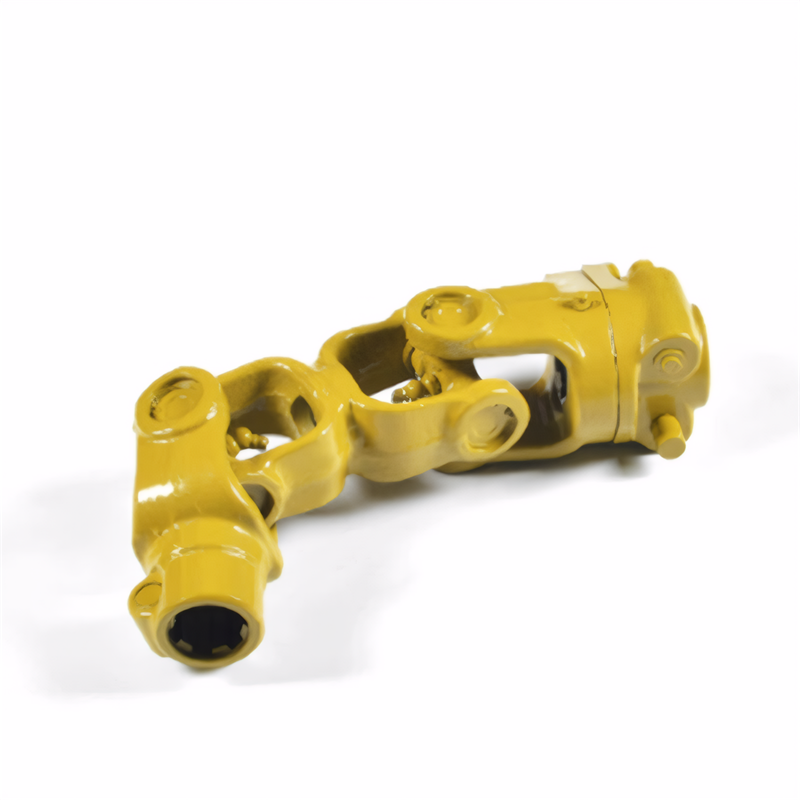 Transmission shaft medical equ
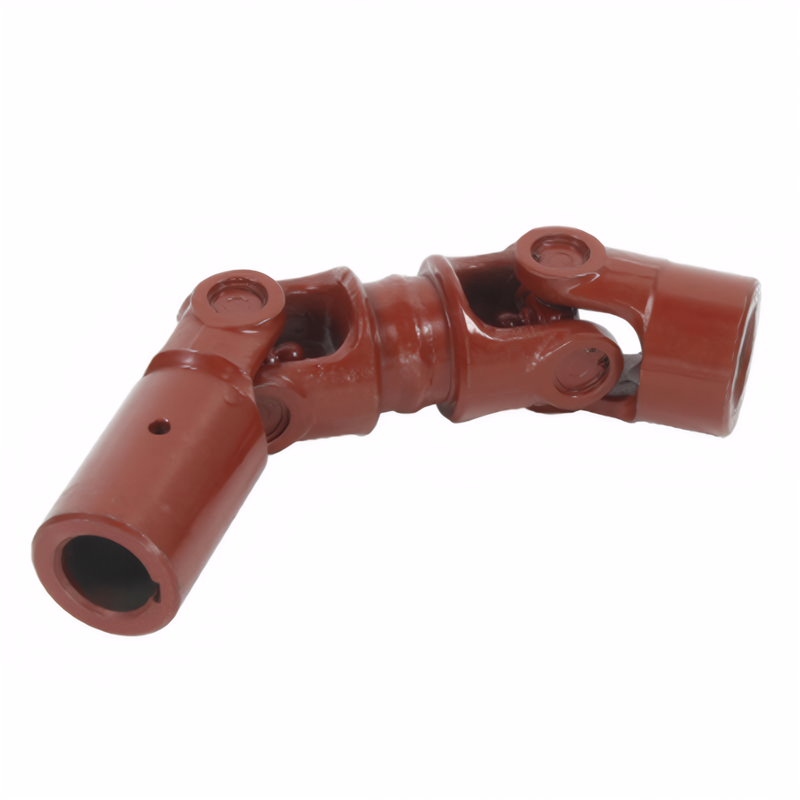 Transmission shaft safety prot
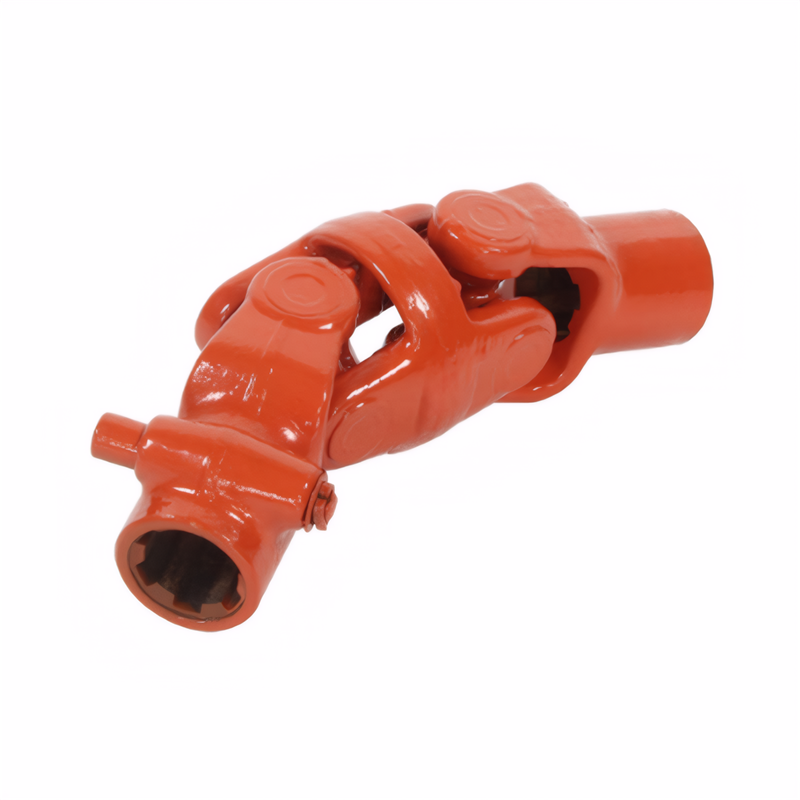 Transmission shaft compatibili
Method for detecting the stabi
Transmission shaft compatibili
Method for detecting the stabi