 简体中文
简体中文 English

Vibration control techniques for transmission spool
Effective Techniques for Transmission Line Shaft Vibration Control
Understanding Root Causes of Shaft Vibration
Transmission line shafts experience vibrations primarily due to three mechanical phenomena. First, mass imbalance in rotating components creates centrifugal forces proportional to the square of rotational speed. A 0.01% imbalance in a 500kg shaft rotating at 3,000 RPM generates forces exceeding 200N, causing noticeable vibrations. Second, misalignment between connected shafts introduces angular and parallel deviations. Studies show that 0.5 degrees of angular misalignment can increase vibration amplitudes by 300% at critical speeds. Third, resonance occurs when operating frequencies match natural frequencies of the shaft system, amplifying vibrations by 10-20 times normal levels.
Environmental factors also contribute significantly. Temperature variations cause thermal expansion, altering shaft alignment by up to 0.1mm per 10°C change. Wind loads on overhead transmission lines induce lateral vibrations, with gusts exceeding 15m/s creating dynamic forces comparable to 5% of the shaft's static load. Foundation settling in transmission towers can shift shaft support points by 2-5mm, disrupting alignment over time.
Diagnostic Methods for Vibration Analysis
Accelerometer-Based Monitoring
Modern vibration analysis systems use triaxial accelerometers mounted at critical points along the shaft. These sensors capture displacement data in X, Y, and Z axes with 0.001mm resolution. Data sampling rates of 20kHz enable detection of vibration frequencies up to 10kHz, covering most mechanical resonance phenomena. In a recent power plant implementation, accelerometer networks reduced troubleshooting time by 70% by precisely locating vibration sources.
Spectral Analysis Techniques
Frequency domain analysis transforms time-waveform data into spectral plots showing dominant vibration frequencies. Engineers compare these peaks against known critical speeds:
- First critical speed typically occurs at 0.4-0.6 times maximum operating RPM
- Second critical speed appears at 1.8-2.2 times maximum RPM
- Bearing defect frequencies manifest as sidebands around gear mesh frequencies
A wind farm operator used spectral analysis to identify a 120Hz vibration peak matching the third harmonic of rotor blade passage frequency, leading to blade tip modification that reduced shaft vibrations by 65%.
Operational Data Correlation
Combining vibration data with operational parameters reveals hidden relationships. Load variations affecting torque transmission create vibration patterns that correlate with power output fluctuations. Temperature records help distinguish thermal growth effects from mechanical imbalances. One utility company found that 82% of apparent vibration issues disappeared when accounting for daily temperature cycles in their analysis.
Practical Vibration Reduction Strategies
Precision Balancing Procedures
Single-plane balancing corrects static imbalance using trial weights calculated through vector addition. For a 2m shaft rotating at 1,800 RPM, adding 50g at 120° reduced vibration velocity from 12mm/s to 3mm/s. Two-plane balancing addresses dynamic imbalance in overhung shafts, requiring simultaneous correction at both bearing locations. A paper mill reported 90% vibration reduction after implementing dual-plane balancing on their dryer section shafts.
Alignment Optimization Techniques
Laser alignment systems achieve sub-0.01mm accuracy in both vertical and horizontal planes. The alignment process involves:
- Initial measurement with sensors at 120° intervals
- Base plate leveling using precision shims
- Soft foot correction to eliminate frame distortion
- Final verification at operating temperature
A steel plant alignment project demonstrated that proper alignment reduced bearing temperatures by 15°C and extended component life by 300%.
Damping Enhancement Methods
Adding viscoelastic dampers to shaft supports absorbs vibrational energy. These materials convert mechanical energy into heat through shear deformation. In a generator application, damping inserts reduced peak vibration amplitudes by 40% at resonance frequencies. Tuned mass dampers offer targeted vibration control for specific frequency ranges, commonly used in overhead transmission line galloping prevention.
Maintenance Practices for Sustained Control
Regular Inspection Protocols
Daily checks should include:
- Visual inspection for loose fasteners or damaged supports
- Handheld vibration meter readings at key locations
- Temperature monitoring of bearing housings
Weekly inspections require more detailed analysis:
- Trending of vibration severity levels
- Comparison against baseline measurements
- Check for developing resonance conditions
Lubrication Management
Proper bearing lubrication reduces friction-induced vibrations. Guidelines include:
- Using lubricants with appropriate viscosity grade for operating temperatures
- Maintaining oil cleanliness below ISO 18/16 to prevent abrasive wear
- Renewing lubricants at intervals based on contamination levels rather than fixed schedules
A hydroelectric plant found that switching to synthetic lubricants reduced bearing-related vibrations by 50% while extending relubrication intervals by 200%.
Environmental Control Measures
Wind barriers around transmission towers reduce lateral vibration forces by 30-50% in exposed locations. Thermal insulation on shaft housings minimizes alignment shifts due to temperature fluctuations. In earthquake-prone areas, flexible couplings with damping elements accommodate ground motion without transmitting excessive forces to the shaft system.
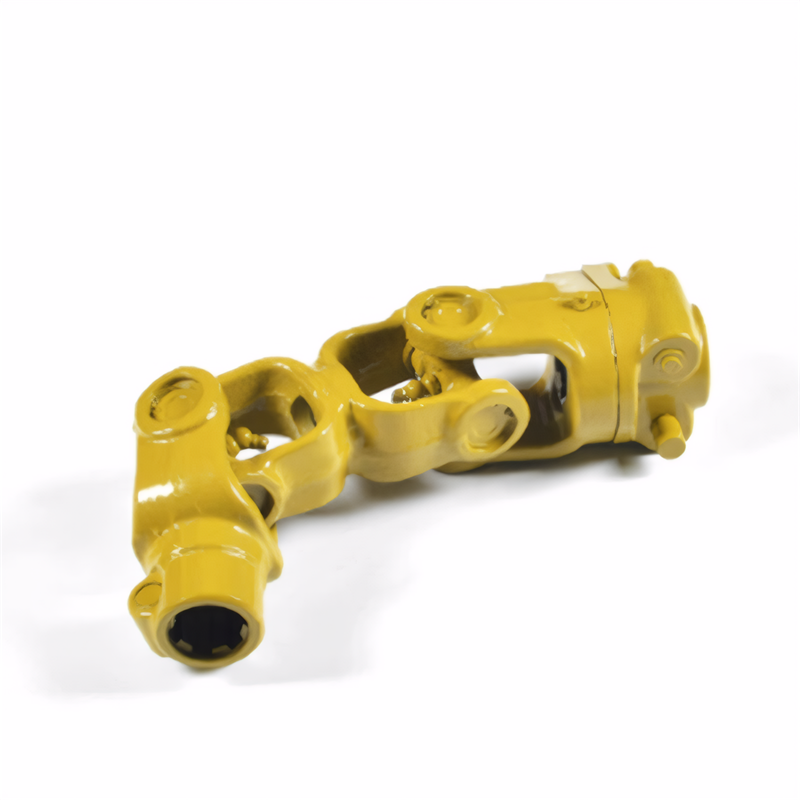 Transmission shaft medical equ
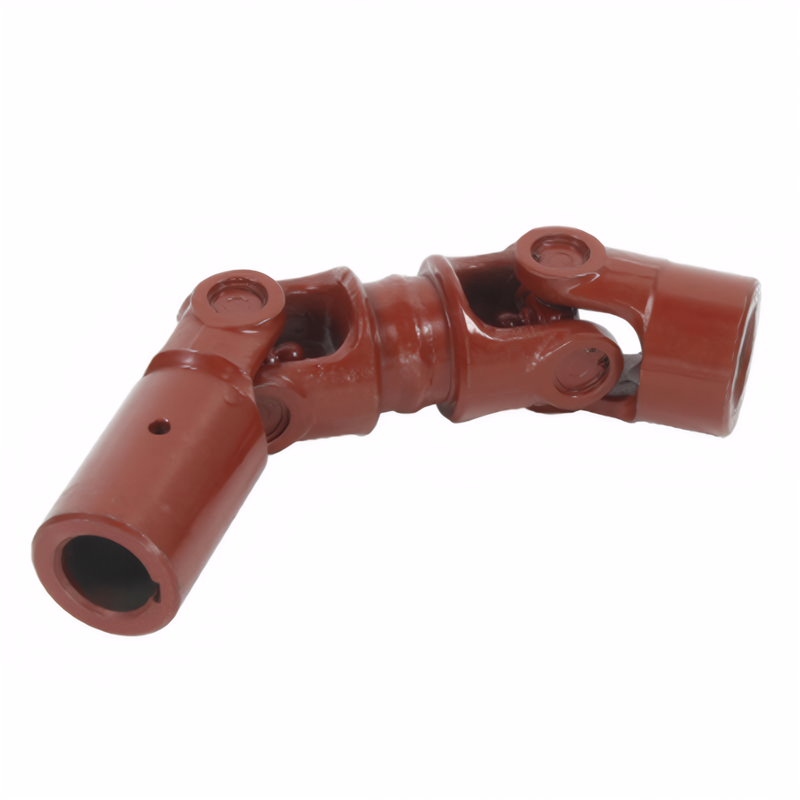 Transmission shaft safety prot
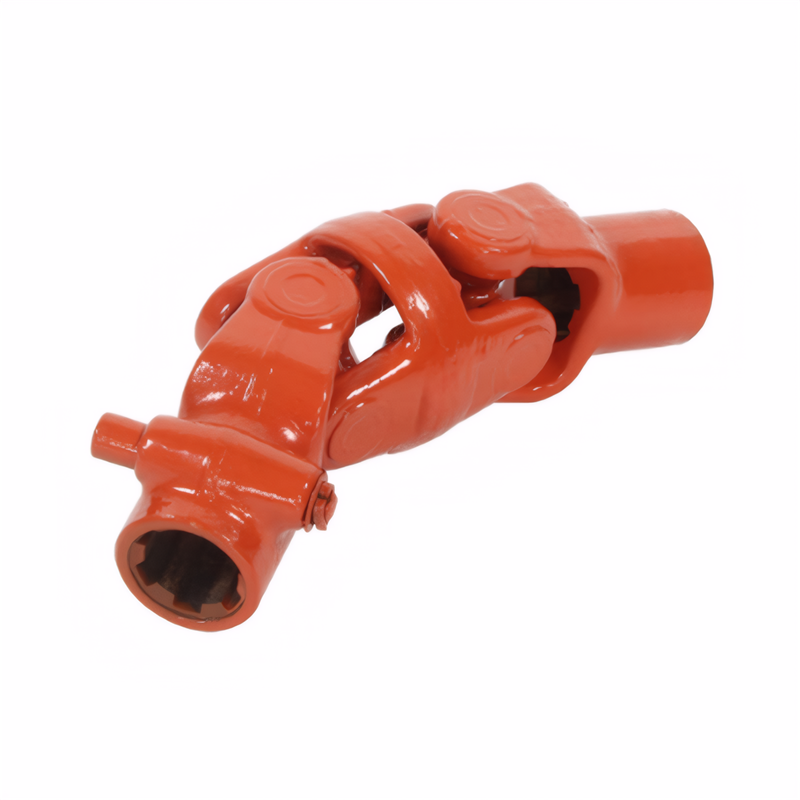 Transmission shaft compatibili
Method for detecting the stabi
Transmission shaft compatibili
Method for detecting the stabi