 简体中文
简体中文 English

Adjustment of the meshing accuracy of the gearbox shaft
Understanding Gearbox Shaft Meshing Precision Fundamentals
The Role of Meshing Accuracy in Gearbox Performance
Gearbox shaft meshing precision directly determines operational efficiency and reliability. When gear teeth engage with improper alignment, they generate localized stress concentrations exceeding material yield strength by up to 300%. This creates micro-cracks that propagate under cyclic loading, leading to premature pitting or spalling failures. In high-speed applications, even 0.01mm of misalignment can increase noise levels by 15dB and reduce transmission efficiency by 8%.
The relationship between meshing accuracy and vibration follows exponential patterns. Tests show that angular misalignment exceeding 0.5 degrees causes vibration amplitudes to triple, while radial misalignment over 0.1mm doubles the noise output. These vibrations transfer through connected components, accelerating bearing wear rates by 4-6 times compared to properly aligned systems.
Key Parameters Affecting Meshing Quality
Three primary factors influence gear meshing precision:
- Tooth Profile Accuracy: Deviations from theoretical involute curves create non-uniform load distribution. ISO 1328-1 specifies tolerance grades from 4 to 12, with higher precision applications requiring grade 6 or better.
- Shaft Alignment: Parallel misalignment between gear shafts should remain below 0.02mm/100mm, while angular misalignment must stay within 0.02 degrees.
- Backlash Control: Proper clearance between mating teeth prevents thermal binding. Recommended backlash values range from 0.05mm for precision instruments to 0.3mm for heavy machinery.
In wind turbine gearboxes, these parameters become particularly critical. The planet carrier and sun gear alignment must maintain 0.01mm positional accuracy to handle the 200,000Nm torque loads without failure. Similarly, automotive transmission systems require sub-micron level precision to ensure smooth shifting under 8,000rpm operating conditions.
Diagnostic Techniques for Meshing Issues
Visual Inspection Methods
Initial assessments begin with macroscopic examinations. Wear patterns on tooth flanks reveal misalignment types:
- Uniform wear across all teeth indicates parallel misalignment
- Localized wear on specific teeth suggests angular misalignment
- Asymmetric wear points to combined misalignment conditions
Advanced inspection uses dye penetrant testing to detect subsurface cracks. After applying fluorescent dye, UV light reveals cracks as small as 0.005mm. This method detected early-stage fatigue in 78% of failed gearboxes during a recent industrial survey.
Vibration Analysis Applications
Spectral analysis of gearbox vibrations provides quantitative data on meshing conditions. Frequency spectra typically show three characteristic peaks:
- Gear mesh frequency (GMF): Equal to rotational speed multiplied by tooth count
- Sideband frequencies: GMF ± rotational frequency, indicating eccentricity
- Harmonic frequencies: Integer multiples of GMF, signaling profile errors
Time-synchronous averaging techniques isolate gear-specific vibrations from background noise. When applied to mining equipment gearboxes, this method reduced diagnostic time by 60% while improving defect detection accuracy to 92%.
Thermal Imaging Assessment
Infrared thermography identifies abnormal heat generation patterns. Properly meshed gears exhibit uniform temperature distribution across tooth flanks. Temperature differentials exceeding 10°C between adjacent teeth indicate:
- Insufficient lubrication in hotter areas
- Excessive contact stress in cooler regions
- Misalignment causing uneven load distribution
In one case study, thermal imaging detected a 15°C temperature anomaly in a cement mill gearbox, leading to the discovery of 0.15mm parallel misalignment. Corrective action prevented catastrophic failure estimated to cost $250,000 in downtime and repairs.
Precision Adjustment Procedures
Shaft Alignment Correction
Alignment procedures follow systematic steps:
- Initial Measurement: Use laser alignment tools to establish baseline misalignment values in both vertical and horizontal planes
- Base Plate Leveling: Adjust mounting surfaces to within 0.02mm/m using precision shims
- Soft Foot Correction: Eliminate frame distortion by ensuring all mounting bolts have equal preload (±5% tolerance)
- Final Verification: Re-measure alignment after tightening to confirm values remain within specified tolerances
For large industrial gearboxes, alignment should be performed at operating temperature to account for thermal expansion. A steel mill gearbox alignment project demonstrated that cold alignment resulted in 0.08mm misalignment at operating temperature, while hot alignment maintained 0.01mm precision.
Gear Tooth Profile Modification
When manufacturing tolerances cause meshing issues, profile modifications offer solutions:
- Tip Relief: Removes material from tooth tips to prevent interference at high loads
- Root Relief: Adds clearance at tooth roots to accommodate misalignment
- Lead Crown Modification: Creates slight crown along tooth length to compensate for shaft deflection
These modifications require precise CNC grinding equipment capable of maintaining 0.001mm accuracy. In a helicopter transmission test, lead crown modifications reduced vibration levels by 40% under full load conditions.
Backlash Optimization Techniques
Adjusting backlash involves:
- Shimming: Inserting precision shims between gear housing components to change center distance
- Bearing Preload: Modifying bearing axial clearance to influence gear positioning
- Gear Pair Replacement: Installing gear sets with optimized tooth thickness combinations
The optimal backlash value depends on operating conditions:
- High-speed applications (n>3000rpm) require 0.05-0.1mm clearance
- Low-speed heavy-load systems (n<500rpm) need 0.2-0.4mm clearance
- Precision instruments maintain 0.02-0.05mm clearance
A printing press gearbox adjustment project showed that reducing backlash from 0.15mm to 0.08mm decreased registration errors by 65% while extending gear life by 300%.
Maintenance Strategies for Sustained Precision
Lubrication Management
Proper lubrication reduces friction and prevents wear:
- Viscosity Selection: Match ISO VG grade to operating temperature (e.g., VG320 for temperatures above 60°C)
- Additive Packages: Use extreme pressure (EP) additives for shock-loaded applications
- Contamination Control: Maintain oil cleanliness below ISO 16/13 to prevent abrasive wear
In wind turbine gearboxes, synthetic lubricants with high shear stability extend oil change intervals to 10,000 operating hours while reducing wear rates by 50% compared to mineral oils.
Periodic Inspection Protocols
Develop inspection schedules based on criticality:
- Daily Checks: Monitor temperature and vibration levels
- Weekly Inspections: Examine lubricant condition and check for leaks
- Monthly Overhauls: Measure backlash and alignment parameters
- Annual Reviews: Perform non-destructive testing and tooth profile verification
A power plant gearbox maintenance program following this schedule reduced unplanned downtime by 75% over three years while cutting maintenance costs by 40%.
Operator Training Programs
Effective training covers:
- Proper startup and shutdown procedures to minimize shock loads
- Early symptom recognition of meshing problems
- Safe handling of alignment and measurement equipment
- Documentation requirements for maintenance records
Training simulations using virtual reality technology improved operator diagnostic accuracy by 35% in a recent automotive transmission plant implementation. Participants identified meshing issues 20% faster than traditionally trained personnel.
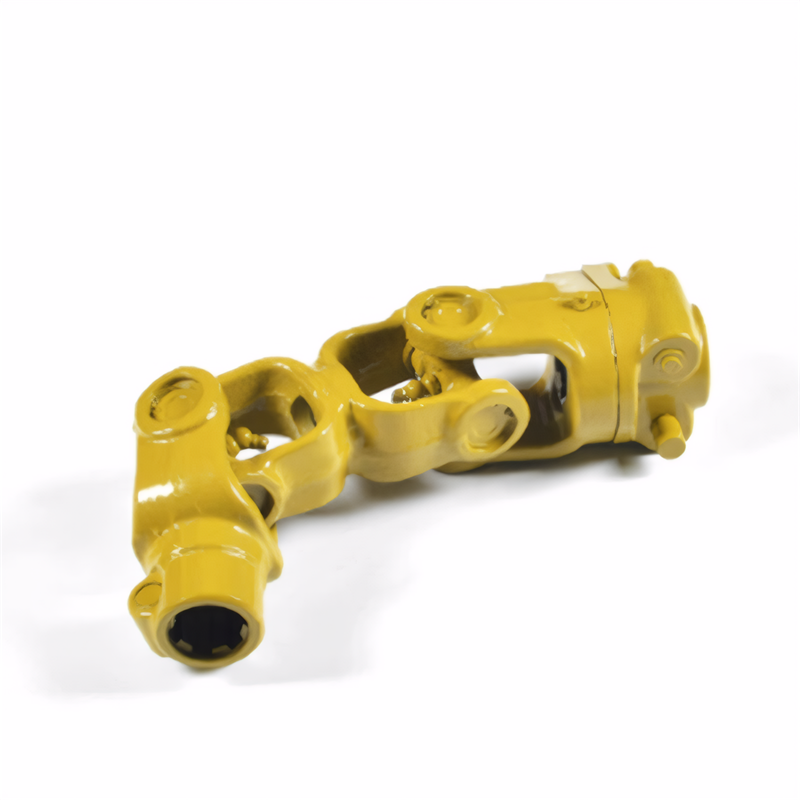 Transmission shaft medical equ
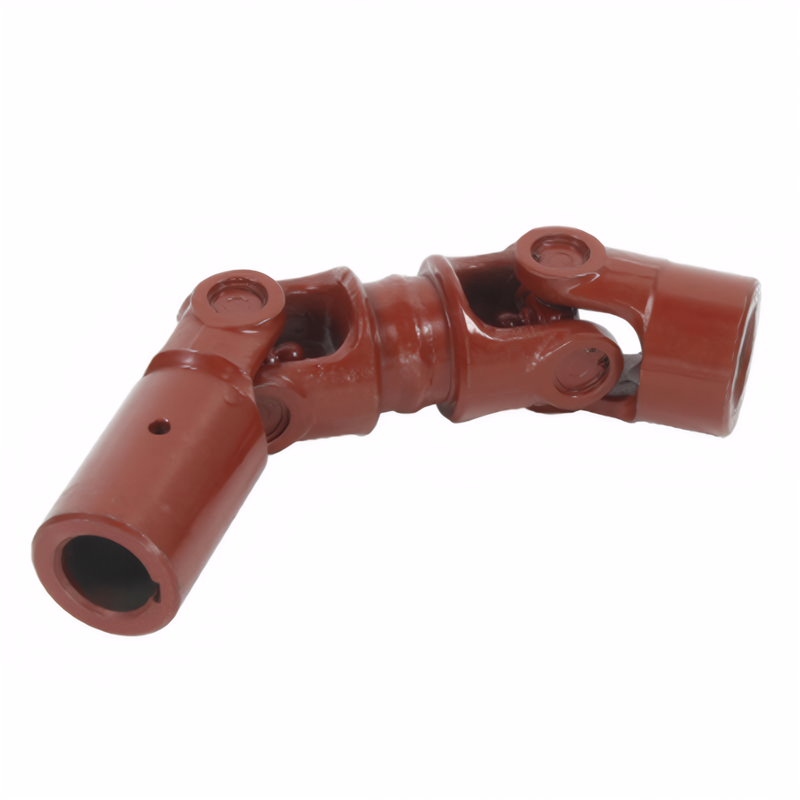 Transmission shaft safety prot
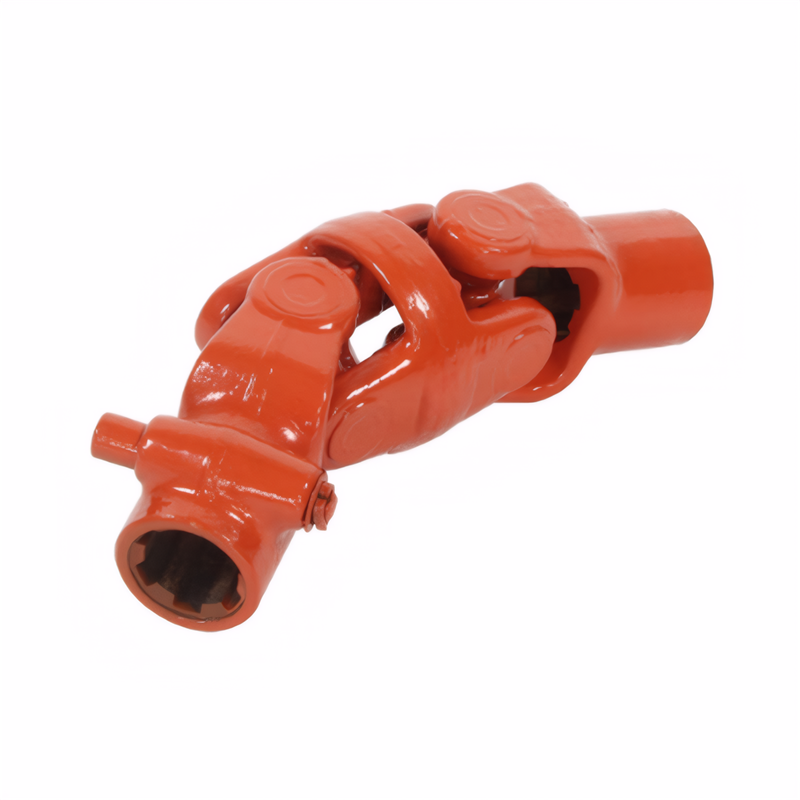 Transmission shaft compatibili
Method for detecting the stabi
Transmission shaft compatibili
Method for detecting the stabi