


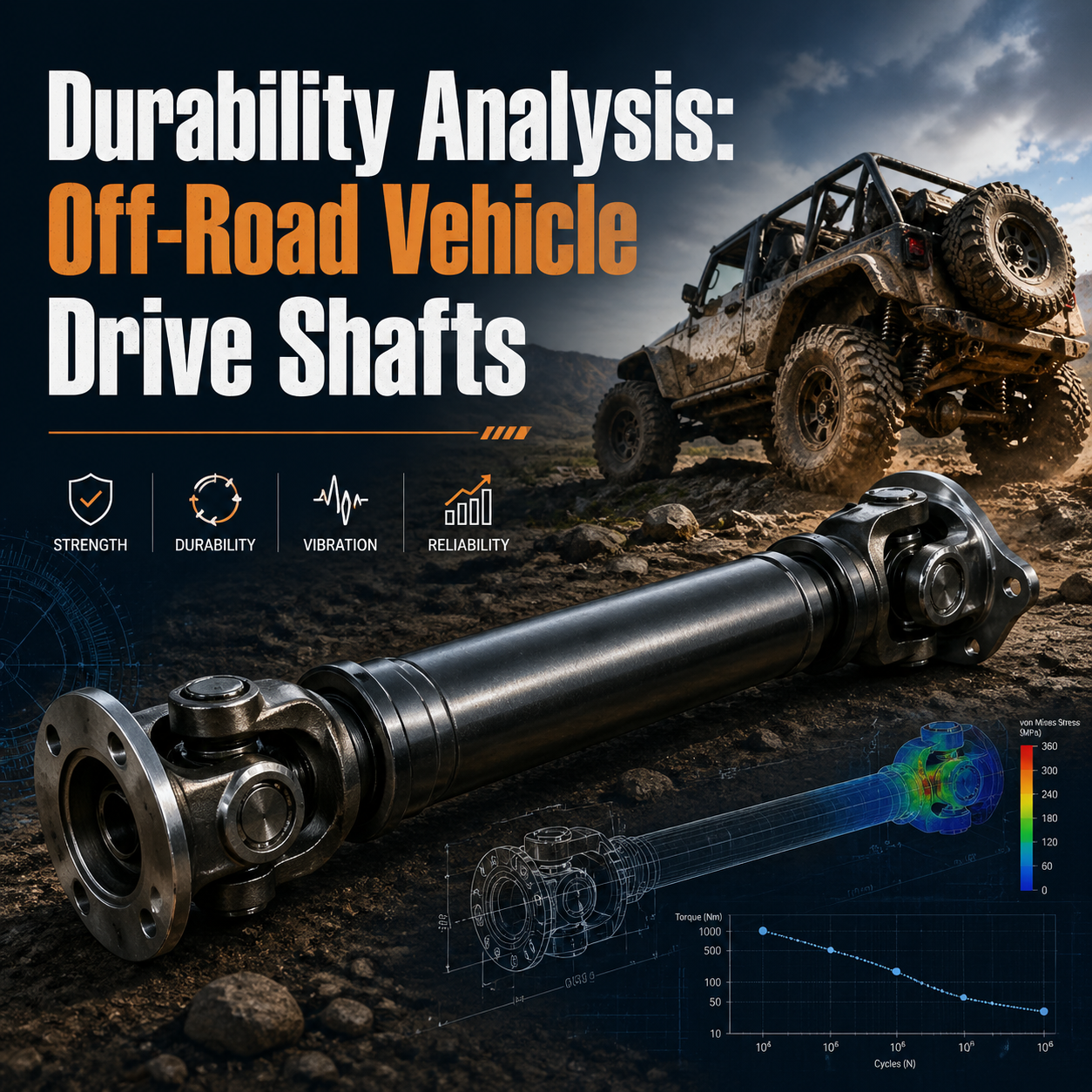
Off-road environments demand more than just power; they require components that can survive extreme articulation, thermal cycling, and debris. This analysis explores the structural design, environmental resilience, and maintenance protocols necessary for high-endurance drive shafts.
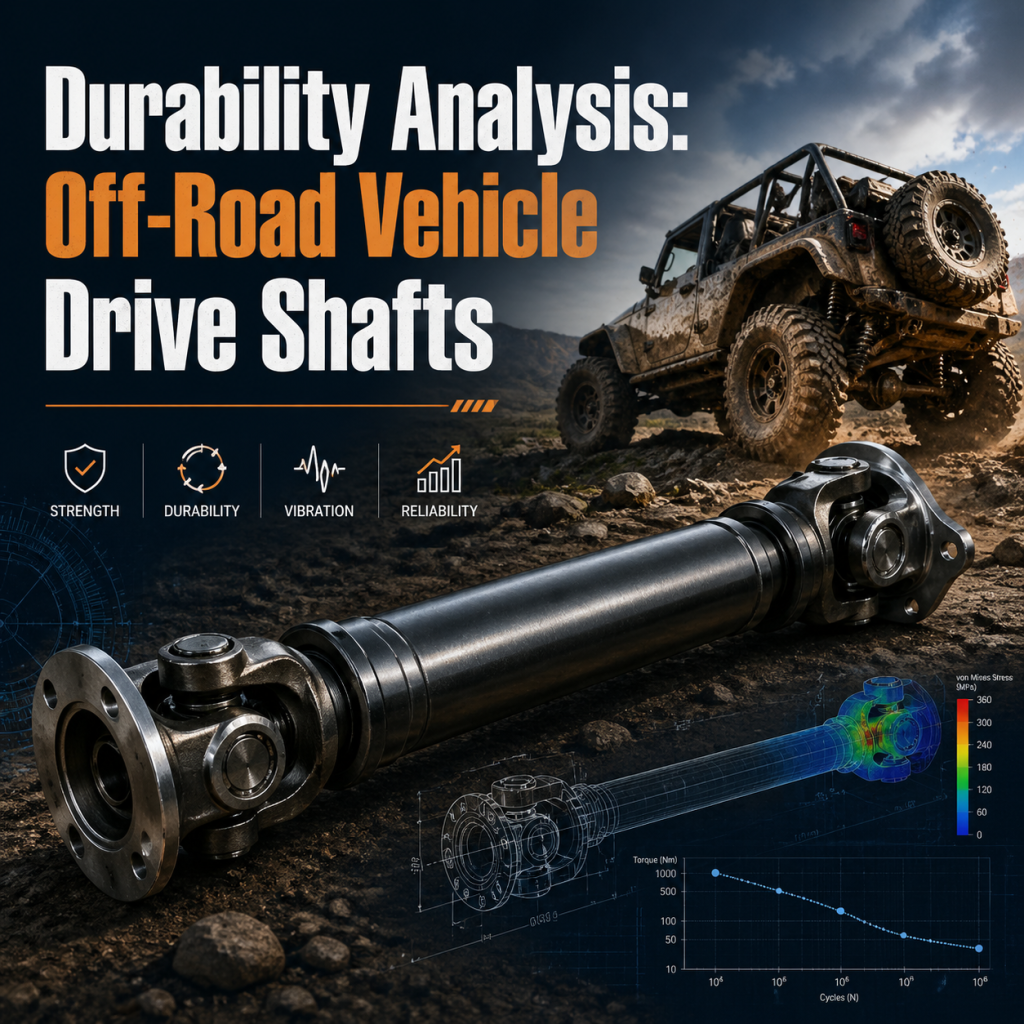
1. Structural Design and Load Capacity
The backbone of an off-road vehicle’s drivetrain is its ability to balance torsional rigidity with weight efficiency.
- Tubular Construction: Most shafts utilize high-strength alloy steel with a wall thickness of 8–12mm. This allows for a torque transmission range of 800–1,200 N·m while ensuring the component survives over 500,000 operational cycles.
- Telescopic Slip Joints: Essential for suspension travel, these joints allow for 50–80mm of axial movement.
- Spline Systems: Modern designs use 20–24 teeth splines to distribute loads. This configuration reduces stress concentrations by 40% compared to traditional keyways.
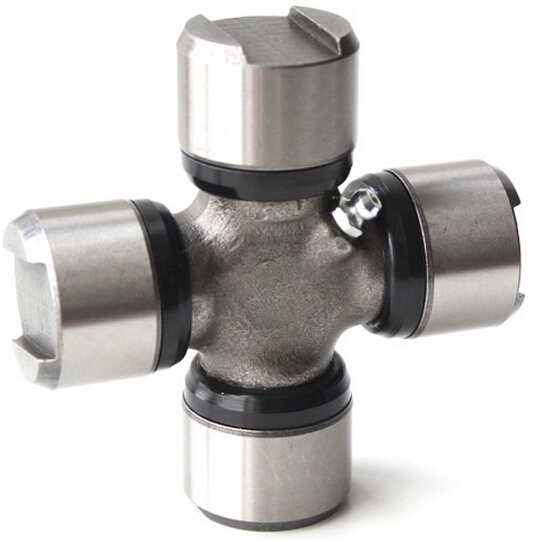
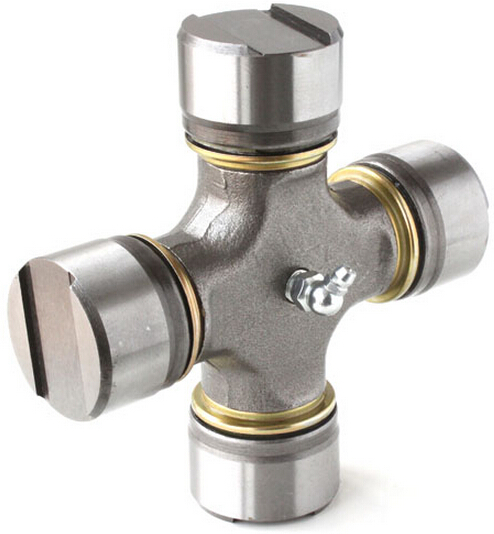
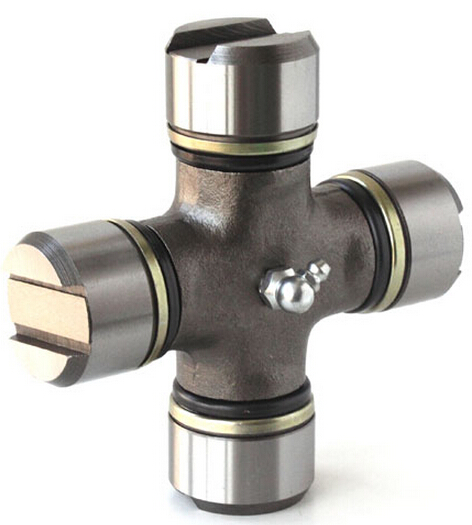
- Articulation & Joints: In extreme terrain, universal joints must handle angular displacements exceeding 20°. Constant-velocity (CV) joints with needle roller bearings are preferred, as they can operate at up to 25° without speed fluctuation.
2. Environmental Adaptability Factors
Off-road shafts aren’t just fighting torque; they are fighting the elements.
Material Thermal Stability
Materials must remain stable between -40°C and +80°C. Alloy steels containing chromium and molybdenum are the gold standard, offering 30% better fatigue resistance than standard carbon steels under thermal stress.
Sealing and Corrosion Resistance
| Feature | Specification | Benefit |
| Seals | Double-lip with stainless garter springs | IP67 rating; prevents mud/water ingress. |
| Coatings | Electrostatic epoxy-based | 500-hour salt spray resistance; adds 3–5 years of life. |
| Dampers | 50–60 Shore A hardness rubber | Reduces resonance below 50Hz; absorbs 70–80% of shock. |
3. Maintenance Practices for Extended Service Life
A drive shaft is only as durable as its maintenance schedule. Neglect in off-road conditions leads to rapid catastrophic failure.
Lubrication Requirements
- Intervals: Every 5,000–8,000 kilometers.
- Grease Type: Lithium-complex (rated for -30°C to +150°C).
- Quantity: Exactly 15–20 grams per bearing cup in universal joint crosses.
Alignment and Precision
Post-suspension modifications, alignment is critical.
Warning: A misalignment of just 1.5° can reduce the component’s lifespan by 50%. Professional laser alignment should aim for a tolerance range of ±0.5°.
Damage Detection & Prevention
Preventive maintenance is significantly cheaper than trail-side repairs.
- Visual Inspection: Look for paint cracking or “rust bloom,” which are early indicators of stress corrosion cracking.
- Vibration Analysis: Using accelerometers on differential housings to detect imbalances.
- Impact: Implementing vibration-based replacement thresholds can reduce unscheduled downtime by 70%.
Key Takeaway
The durability of an off-road drive shaft is a product of advanced metallurgy and rigorous maintenance. By choosing shafts with high-tooth-count splines and maintaining strict lubrication cycles, operators can ensure their drivetrain survives the harshest environments on earth.