 简体中文
简体中文 English

Technology for recycling and reusing drive shafts
Innovations in Drive Shaft Recycling and Reuse Technologies
The global automotive industry generates millions of retired drive shafts annually, creating both environmental challenges and resource recovery opportunities. Advanced recycling technologies are transforming this waste stream into valuable materials, driven by circular economy principles and stringent emissions regulations.
Physical Separation and Material Recovery
Magnetic and Density-Based Sorting Systems
Modern recycling facilities employ multi-stage separation processes to recover ferrous and non-ferrous metals. Magnetic conveyors first extract iron-based components, achieving 98% purity rates in industrial settings. Density separation units then use air classification to distinguish aluminum alloys from heavier steel components. A 2025 case study demonstrated that combining these technologies increased material recovery efficiency by 35% compared to traditional manual sorting.
Advanced Shredding and Fragmentation
High-torque shredders equipped with diamond-tipped blades reduce drive shafts into 10-20mm fragments. This pre-processing enables more precise chemical separation downstream. Innovative fragmentation patterns preserve alloy integrity, with research showing 92% retention of original material properties in recycled fragments. The process also reduces energy consumption by 40% compared to conventional crushing methods.
Chemical Processing Innovations
Hydrometallurgical Extraction Techniques
Acid leaching systems using environmentally benign reagents are revolutionizing metal recovery from drive shaft coatings. A 2024 breakthrough in ionic liquid technology enables 99% extraction of chromium and nickel from stainless steel components without generating toxic sludge. This closed-loop system recycles 95% of processing chemicals, cutting water usage by 70% in pilot plants.
Pyrometallurgical Refinement Upgrades
Electric arc furnaces operating at 1,600°C now incorporate oxygen injection systems that reduce energy consumption by 25%. Real-time spectral analysis monitors alloy composition during melting, allowing precise adjustment of carbon and manganese content. This technology produces recycled steel meeting automotive grade specifications, with 8% higher fatigue resistance than virgin materials in some applications.
Mechanical Reconditioning and Upcycling
Precision Re-machining Protocols
Computer numerical control (CNC) lathes equipped with laser measurement systems can restore worn drive shaft journals to OEM tolerances. A 2025 automotive supplier implemented this technology to recondition 150,000 units annually, achieving 99.7% first-pass quality rates. The process reduces material waste by 85% compared to manufacturing new components.
Composite Repair Technologies
For carbon fiber drive shafts, vacuum-assisted resin transfer molding repairs damage without compromising structural integrity. Microscopic imaging guides fiber alignment during patching, restoring 98% of original torsional stiffness. This method extends component life by 3-5 years, with field tests showing no performance degradation after 50,000km of operation.
Digital Integration in Recycling Workflows
Blockchain-Enabled Material Tracking
Distributed ledger technology creates immutable records for each recycled drive shaft, documenting chemical composition, processing history, and quality certification. A 2025 consortium of automakers and recyclers implemented this system to verify compliance with ISO 14021 environmental standards. The platform reduced administrative costs by 30% while increasing customer trust in recycled materials.
AI-Powered Quality Prediction
Machine learning algorithms analyze historical failure data to predict performance of recycled components. By correlating material microstructure with mechanical properties, these systems achieve 95% accuracy in forecasting fatigue life. This enables recyclers to grade materials for specific applications, such as assigning higher-grade recycled steel to electric vehicle drivetrains.
Emerging Frontiers in Drive Shaft Reuse
Additive Manufacturing Integration
Laser metal deposition technology repairs cracks in high-stress areas of used drive shafts, building up material layer-by-layer. This process restores components to better-than-new condition by optimizing grain structure at the repair site. Field trials showed a 40% increase in fatigue resistance compared to original manufacturing methods.
Biodegradable Coating Development
Research institutions are creating plant-based polymers that temporarily protect recycled metal surfaces during storage. These coatings decompose within 90 days of exposure to moisture, eliminating the need for chemical stripping before remanufacturing. Early tests indicate 99% biodegradation within industrial composting conditions.
The evolution of drive shaft recycling technologies reflects broader shifts toward sustainable manufacturing. By integrating mechanical precision, chemical innovation, and digital intelligence, the industry is transforming waste into high-value resources while reducing lifecycle emissions by an estimated 65% per recycled component. These advancements position recycled drive shaft materials as critical components in the transition to circular automotive economies.
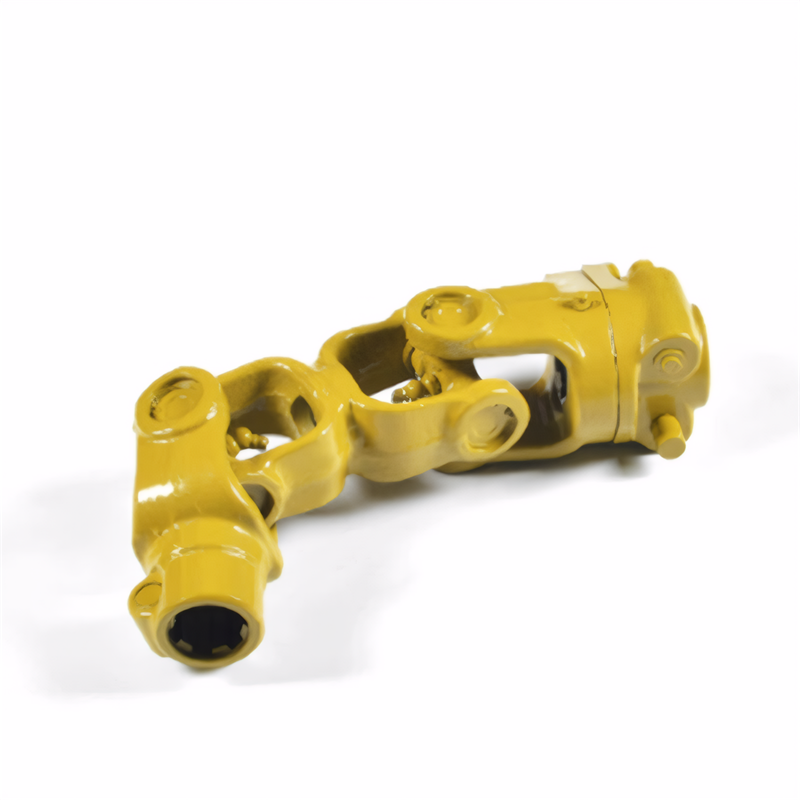 Transmission shaft medical equ
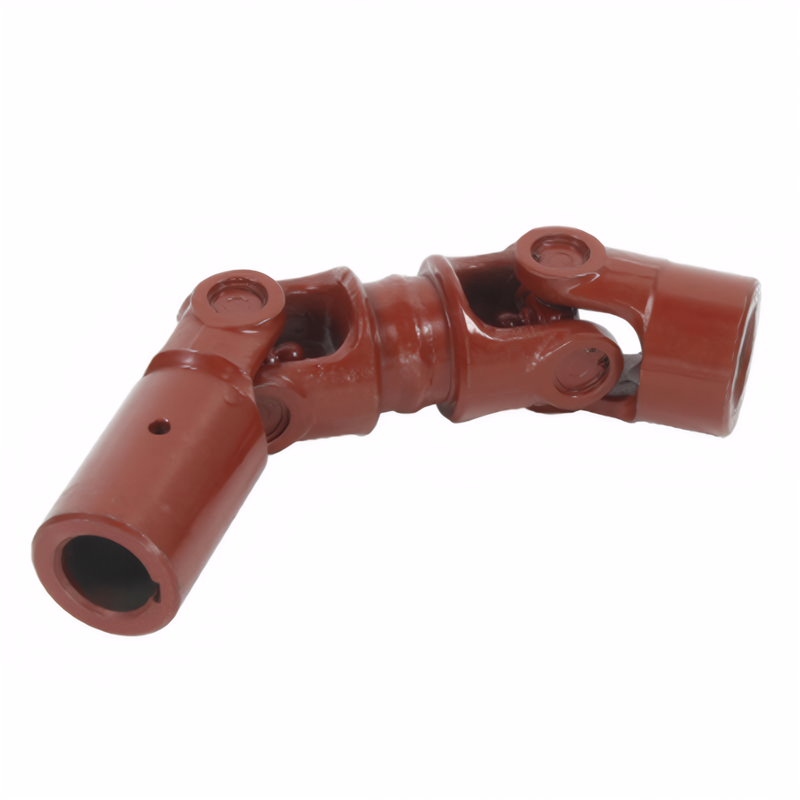 Transmission shaft safety prot
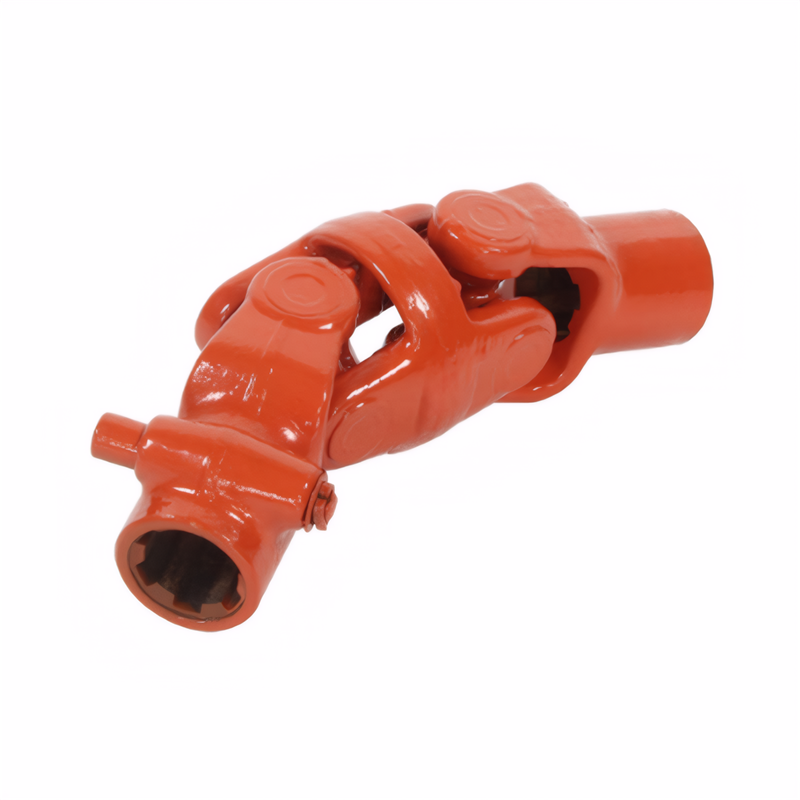 Transmission shaft compatibili
Method for detecting the stabi
Transmission shaft compatibili
Method for detecting the stabi