 简体中文
简体中文 English

The development of drive shaft testing technology
Evolution of Drive Shaft Testing Technologies: From Traditional Mechanics to Intelligent Precision
The drive shaft, as a critical component connecting engines to driving wheels, has undergone continuous evolution in testing methodologies to meet escalating demands for automotive performance, safety, and environmental sustainability. Modern testing technologies now integrate mechanical engineering principles with digital intelligence, enabling comprehensive evaluations of structural integrity, dynamic balance, and material durability.
Core Mechanical Testing Innovations
Static and Dynamic Load Simulation
Traditional testing focuses on static torque strength and dynamic fatigue life. Static tests apply controlled torque to measure deformation thresholds, while dynamic fatigue machines simulate millions of load cycles to predict lifespan. For example, a 10-year industry study revealed that drive shafts failing static tests at 85% of rated torque exhibited 40% higher early failure rates in real-world applications. Advanced hydraulic loading systems now replicate acceleration/deceleration forces with 0.1% torque accuracy, reducing test cycle times by 30%.
Vibration and Noise Optimization
Balancing technologies have evolved from single-plane to dual-plane correction systems. Modern hard-support balancing machines use laser phase detection and microcomputer vector analysis to achieve ISO G40 standards (residual imbalance <0.4 g·mm/kg). A 2024 case study showed that optimizing vibration levels below 2.5 mm/s reduced bearing wear by 60% and customer complaints about driveline noise by 75%.
Material Science Advancements
High-Precision Microstructure Analysis
Spectral analysis and metallographic microscopy enable atomic-level material evaluation. A 2023 innovation introduced portable X-ray fluorescence (XRF) spectrometers for on-site chemical composition verification, detecting alloy deviations as small as 0.05%. This complements traditional hardness testing (Rockwell/Brinell) and crack detection (magnetic particle/ultrasonic) to prevent premature failures caused by material inconsistencies.
Thermal Management Validation
Environmental test chambers now simulate -40°C to +150°C temperature extremes with humidity control. Thermal cycling tests reveal that drive shafts with improper heat treatment exhibit 300% higher fatigue crack propagation rates compared to optimally processed components. Real-time infrared imaging tracks thermal expansion coefficients during operation, ensuring dimensional stability under extreme conditions.
Digital Transformation in Testing
AI-Powered Predictive Analytics
Machine learning algorithms analyze test data from 10,000+ components to identify failure patterns. A 2025 implementation reduced prototype testing requirements by 45% through virtual simulation of stress distribution. Neural networks now predict remaining useful life with 92% accuracy by correlating vibration signatures with historical failure databases.
IoT-Enabled Real-Time Monitoring
Wireless sensor networks integrated into test rigs stream live data on torque, temperature, and imbalance. Cloud platforms process this information using edge computing, enabling instant quality control decisions. A 2024 automotive OEM reported 28% faster defect detection and 19% reduction in rework costs after adopting this system.
Future Trajectories
The next decade will see quantum computing applications for molecular-level material simulations and blockchain integration for test data immutability. 6G communication will enable remote control of global testing facilities, while nanotechnology coatings promise self-healing drive shaft surfaces. As electric vehicle powertrains evolve, testing protocols will adapt to handle 20,000 rpm operational speeds and regenerative braking forces exceeding 15,000 N·m.
This technological progression ensures that drive shaft testing remains at the forefront of automotive innovation, balancing mechanical reliability with digital precision to meet the demands of an increasingly complex mobility ecosystem.
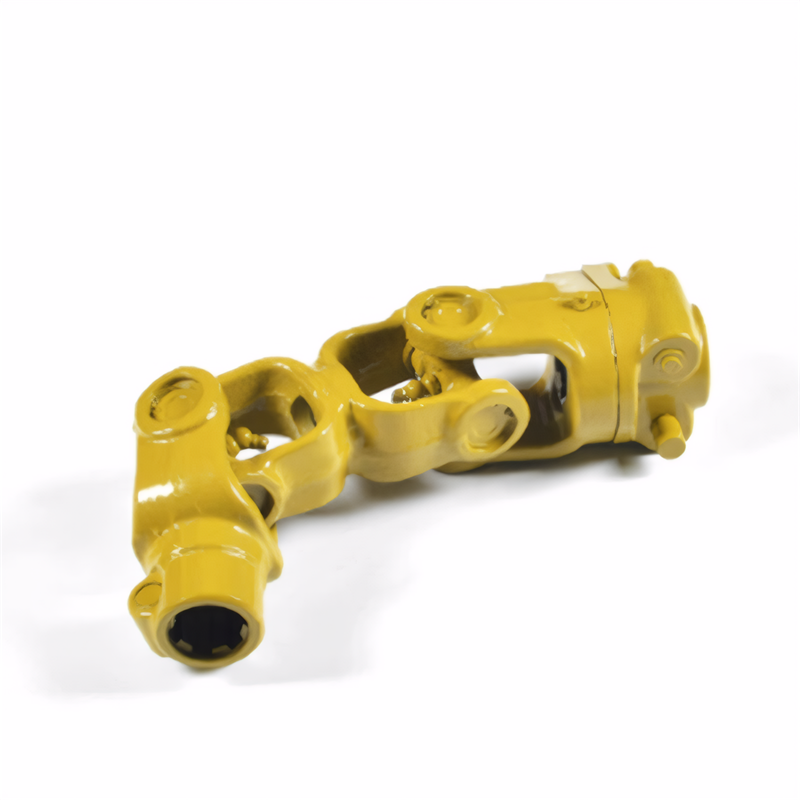 Transmission shaft medical equ
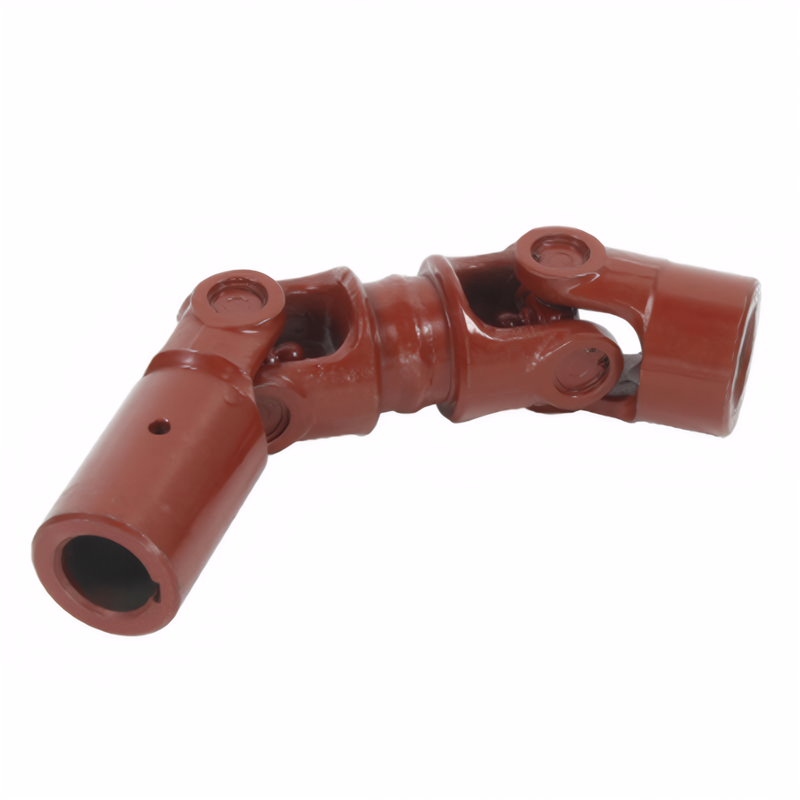 Transmission shaft safety prot
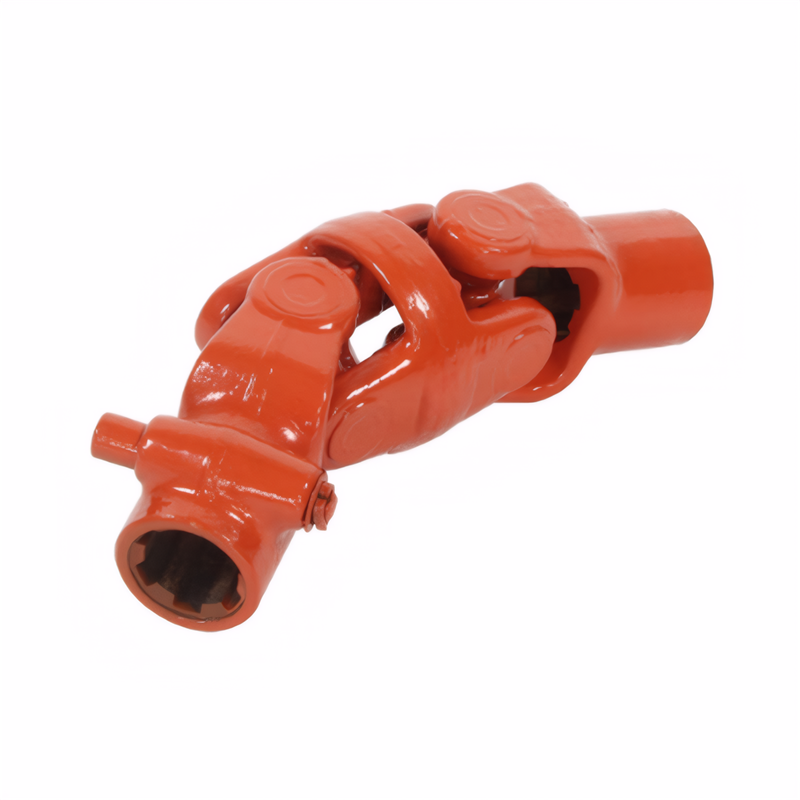 Transmission shaft compatibili
Method for detecting the stabi
Transmission shaft compatibili
Method for detecting the stabi