 简体中文
简体中文 English

Maintenance cycle parameters of the drive shaft
Transmission Shaft Maintenance Cycle Parameters: A Comprehensive Guide
Transmission shafts are critical components in automotive drivetrains, responsible for transferring torque from the engine to the wheels. Proper maintenance is essential to ensure their longevity and performance. This article explores the key parameters governing transmission shaft maintenance cycles, including inspection intervals, lubrication requirements, and environmental considerations.
Routine Inspection Intervals
The frequency of routine inspections for transmission shafts varies based on vehicle type and usage conditions. For commercial vehicles, such as trucks and buses, it is recommended to conduct visual inspections every 50 operating hours or after every 5,000 kilometers of travel. This allows for early detection of issues like loose bolts, misalignment, or excessive play in universal joints. Passenger vehicles, on the other hand, typically require inspections every six months to one year, or after every 10,000 kilometers, depending on the manufacturer's guidelines.
During these inspections, mechanics should check for signs of wear, such as cracks in the shaft body, damaged rubber boots on universal joints, or leaks in the grease fittings. It is also important to verify that the transmission shaft is properly aligned and that all mounting bolts are tightened to the manufacturer's specifications. Neglecting these inspections can lead to premature failure of the shaft or related components, resulting in costly repairs and potential safety hazards.
Lubrication Requirements
Lubrication plays a vital role in maintaining the performance and longevity of transmission shafts. The type and frequency of lubrication depend on the operating environment and the design of the shaft. In general, lithium-based grease is recommended for universal joints, as it provides excellent resistance to heat and water. For summer driving conditions, 3# lithium-based grease is preferred due to its higher melting point, while 2# lithium-based grease is suitable for winter use, as it remains pliable at lower temperatures.
The lubrication interval for transmission shafts also varies. For most vehicles, it is advisable to lubricate the universal joints every 10,000 kilometers or during annual maintenance checks. However, vehicles operating in harsh conditions, such as off-road or heavy-duty applications, may require more frequent lubrication, possibly every 5,000 kilometers. Over-lubrication should be avoided, as excess grease can attract dirt and debris, leading to accelerated wear. Conversely, under-lubrication can cause friction and heat buildup, damaging the shaft and its components.
Environmental and Operational Factors
The operating environment has a significant impact on the maintenance cycle of transmission shafts. Vehicles frequently exposed to water, mud, or corrosive substances, such as those used in construction or agricultural settings, require more frequent inspections and maintenance. In these cases, inspections may be needed every three to four months to check for corrosion, rust, or damage caused by abrasive particles.
Driving habits also influence the maintenance needs of transmission shafts. Aggressive driving, characterized by rapid acceleration, hard braking, and high-speed cornering, places greater stress on the shaft and its components. Vehicles subjected to such driving conditions may experience accelerated wear and should be inspected more frequently. Additionally, vehicles carrying heavy loads or towing trailers place increased strain on the transmission shaft, necessitating more rigorous maintenance schedules.
Advanced Maintenance Considerations
For vehicles equipped with advanced drivetrain systems, such as all-wheel-drive or four-wheel-drive configurations, additional maintenance considerations apply. These systems often feature multiple transmission shafts and complex differential gears, requiring specialized inspection techniques. Mechanics should use diagnostic tools, such as vibration analyzers, to detect imbalances or misalignments in the shafts.
Furthermore, some modern vehicles utilize composite transmission shafts, which offer weight savings and improved efficiency. While these shafts require less maintenance than traditional steel shafts, they are still susceptible to damage from impacts or excessive loads. Owners of vehicles with composite shafts should follow the manufacturer's recommendations for inspection and replacement intervals, which may differ from those of conventional shafts.
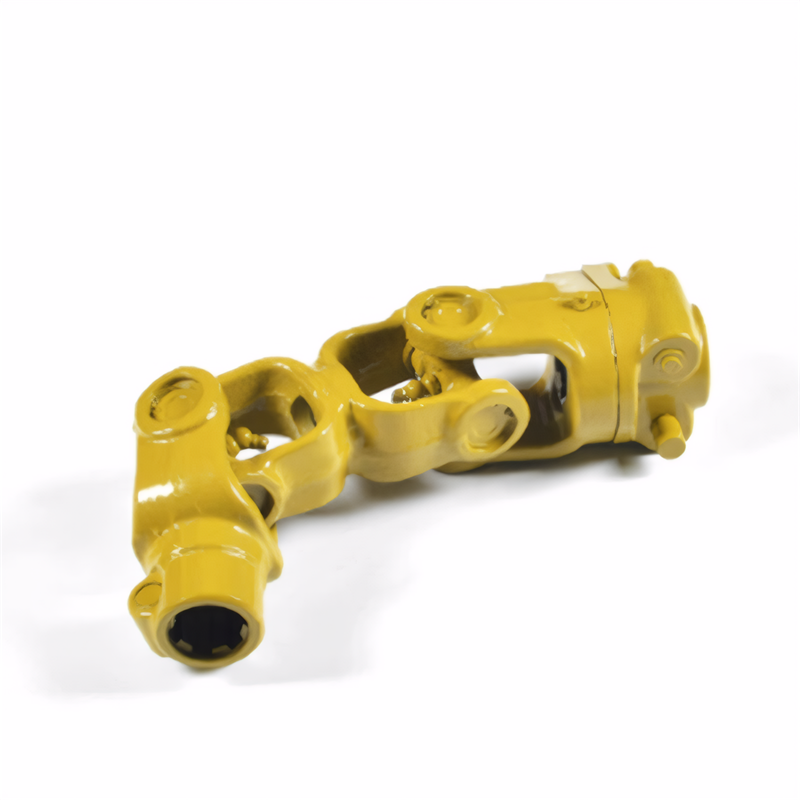 Transmission shaft medical equ
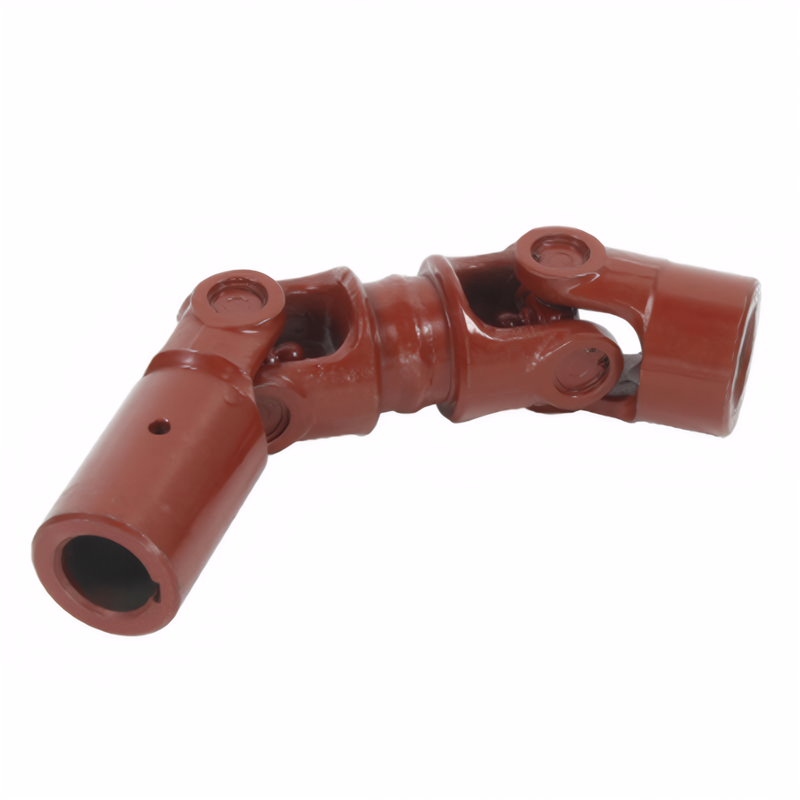 Transmission shaft safety prot
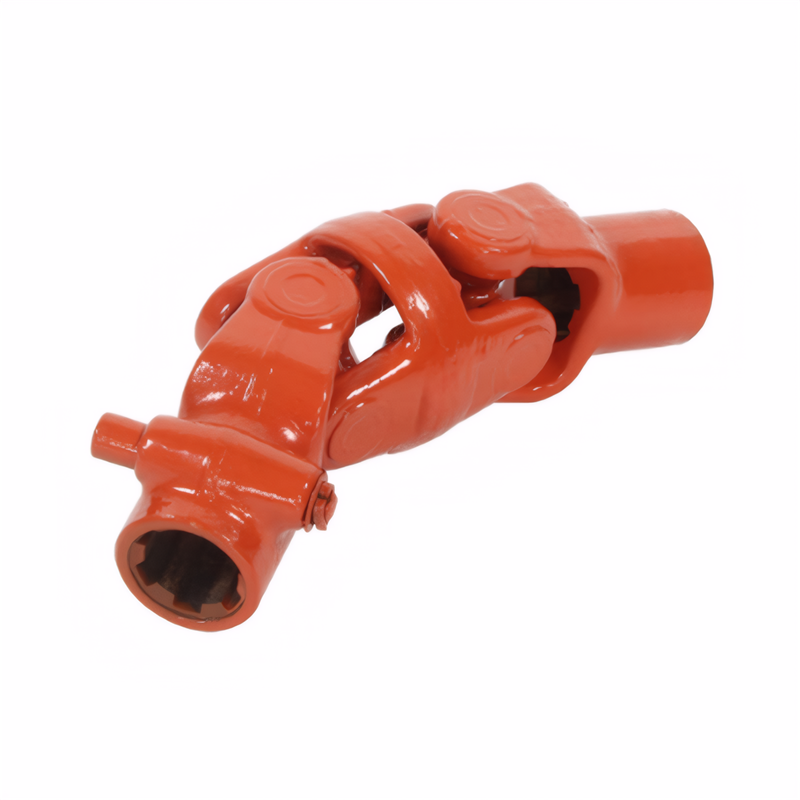 Transmission shaft compatibili
Method for detecting the stabi
Transmission shaft compatibili
Method for detecting the stabi