



In This Article
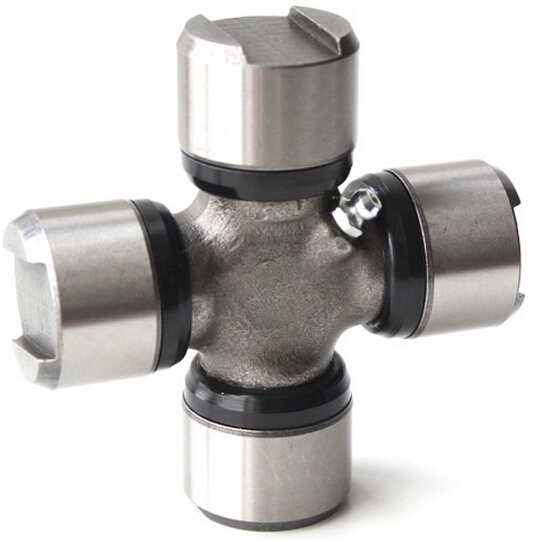
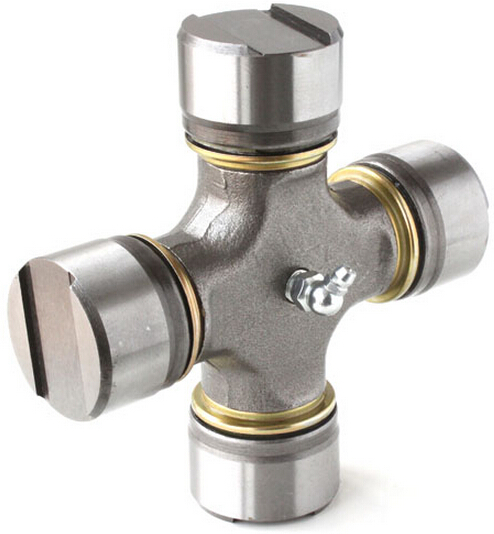
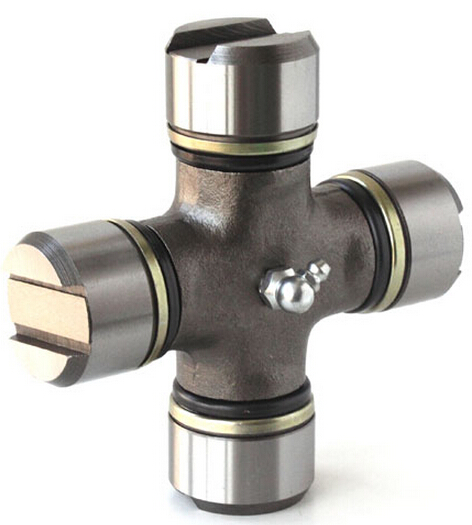
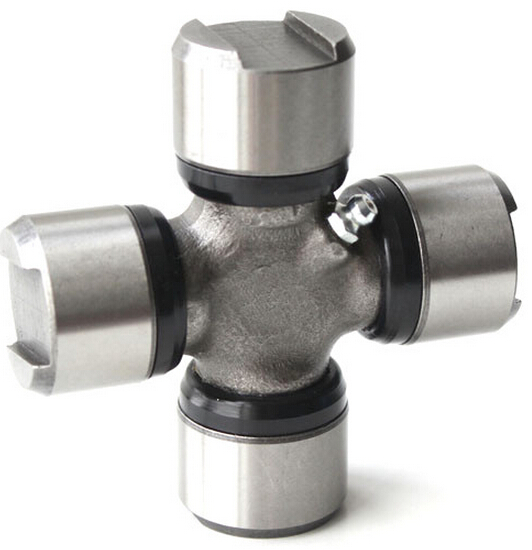
Universal joints—or U-joints, as most of us call them—are the unsung heroes of your vehicle’s drivetrain. They are the clever little couplings that link rigid shafts together, allowing power to flow even when things aren’t perfectly lined up. Most people don’t give them a second thought until the car starts vibrating or making a scary clunking sound. Once that happens, the questions start flying. At HangHuJX, we’ve been building these components for decades, so we’ve rounded up the most common questions to help you get a handle on your drivetrain.

How Long Do U-Joints Actually Last?
The honest answer? It depends. A high-quality U-joint can last for the entire life of a vehicle, or it can snap in a couple of years. Their lifespan is a mix of part quality, the type of vehicle you’re driving, and how hard you push it. A truck used for heavy towing in a salt-belt state is going to eat through U-joints much faster than a sedan driving on smooth highways. This is exactly why we tell our customers: check your U-joints every time you get an oil change. Catching a dry bearing early saves you an expensive tow bill later.
Are All U-Joints Created Equal?
Definitely not. While they all look like little metal crosses, they come in different types and sizes to handle different levels of “muscle.”
U-Joint Types: Most automotive applications use the cross and roller type. This design allows the drive shaft to pivot and bend freely. You might also run into the ball and trunnion type; these are less common but allow the shaft to move both at an angle and forward/backward.
U-Joint Sizes: We categorize these by “series.” The bigger the series number, the more torque it can handle.
Common U-Joint Series Comparison
| Series | Approx. Width | Cap Diameter | Typical Application |
| 1210 | 2.438″ | 1.062″ | Small cars and light-duty applications |
| 1310 | 3.219″ | 1.062″ | The “standard” for most passenger cars |
| 1350 | 3.625″ | 1.188″ | Performance cars and 1-ton trucks |
| 1410 | 4.188″ | 1.188″ | Heavy-duty trucks and commercial towing |
| 1550 | 4.965″ | 1.375″ | Commercial rigs and heavy machinery |
Why Do U-Joints Seize Up or Fail?
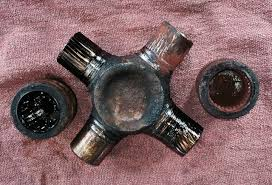
Most U-joint deaths come down to three main culprits:
Poor Maintenance: If your U-joints have grease fittings (Zerk fittings), they need fresh grease about every 5,000 miles. If they run dry, the internal needle bearings turn into metal dust, and the joint will seize.
Bad Alignment: This is huge for the off-road crowd. If you lift or lower your truck, you change the “pinion angle.” If the angle is too steep, the U-joint has to work way too hard, leading to a premature death.
Extreme Stress: Heavy towing or frequent off-roading puts massive torque on the cross-shaft.
Real-World Case #1: The Neglected Delivery Van
We recently helped a fleet manager in Chicago who had a van making a loud “chirping” sound at low speeds. The driver ignored it for weeks. Eventually, the U-joint seized completely, which snapped the drive shaft mid-delivery. Because the joint hadn’t been greased during the last three service intervals, the $30 part caused $1,200 in damage to the transmission housing. A little grease would have saved a lot of grief.
What Exactly Is Their Job?
Think of U-joints as the “flexible elbows” of your car. Your engine and transmission are bolted to the frame, but your wheels move up and down with the suspension. If you had a solid, one-piece metal rod connecting the two, the first pothole you hit would snap the rod or rip the transmission out. The U-joint allows the drive shaft to keep spinning smoothly even as the angle between the transmission and the wheels changes constantly.
Do Bad U-Joints Squeak, Click, or Get Hot?
Yes, yes, and yes. A failing U-joint is rarely quiet.
- Squeaking: Usually means the grease has dried up and you have metal-on-metal contact.
- Clicking/Clunking: This usually happens when you shift from Drive to Reverse. It’s the sound of “play” in the joint—basically, the cross is slamming into the caps because the bearings are gone.
- Heat: If a joint is failing, the friction generates massive heat. If you (carefully!) touch a U-joint after a drive and it’s significantly hotter than the rest of the shaft, it’s toast.
Real-World Case #2: The “Custom” Lift Kit
A customer brought in a beautiful 4×4 truck that vibrated like crazy at 60 mph. He had just installed a 4-inch lift kit himself. The lift was great, but it put his rear U-joint at a 15-degree angle—way past the recommended limit. By switching to a high-angle HangHuJX performance U-joint and shiming the axle to fix the alignment, the vibration vanished.
How Many U-Joints Does My Vehicle Have?
Most standard rear-wheel drive (RWD) trucks have two or three. If you have a long-wheelbase vehicle, like a bus or a crew-cab long-bed truck, you might have a “split” drive shaft with a center support bearing and three or more U-joints.
Why Industry Pros Choose HangHuJX
Since our start, HangHuJX has focused on one thing: making power transmission reliable. We’ve spent decades perfecting the design of SWC, SWP, and SWL cross-axis universal joints. Here’s why we’re the go-to for engineering and automotive pros:
- Built to Outlast: Our U-joints meet or exceed OEM specs. We don’t just “make” them; we put them through multi-stage stress testing to ensure they handle the torque.
- ISO9001 Quality: We stick to strict international standards. Every part that leaves our facility is built with high-grade materials that resist corrosion and wear.
- Expert Support: We aren’t just a parts catalog. Our team has decades of experience in designing drive shafts for everything from farm tractors to heavy construction machinery.
Universal Joint FAQ
Can I replace just one U-joint if I have three?
You can, but we don’t recommend it. If one has worn out, the others have likely faced the same stress and mileage. It’s much smarter to replace them as a set while the drive shaft is already out.
What’s the difference between “Greasable” and “Maintenance-Free”?
Greasable joints have a fitting that lets you pump in new lubricant. They last a long time if you maintain them. Maintenance-free joints are sealed at the factory. They are great for people who want to “set it and forget it,” but once the factory grease is gone, the joint must be replaced.
How do I know which series I need?
The easiest way is to measure the cap diameter and the width of the joint with a caliper. Or, you can just contact the team at HangHuJX with your vehicle specs, and we’ll match you up with the perfect part.
If your vehicle is shivering, clunking, or squeaking, don’t wait for a total failure. Reach out to HangHuJX online or give our technical team a call. We’ll make sure you get the high-quality parts you need to keep your wheels turning.