


Table of Contents
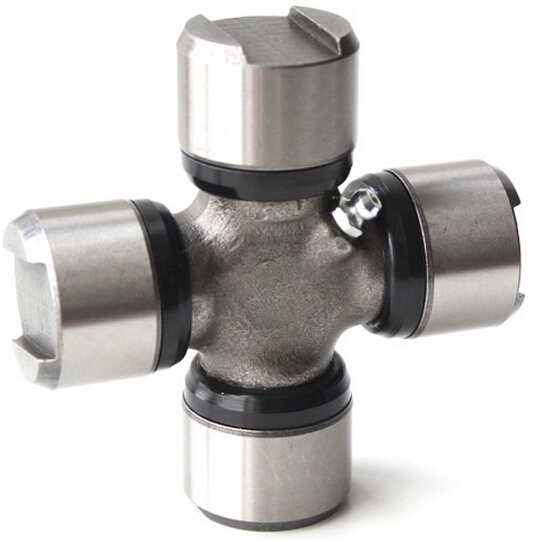
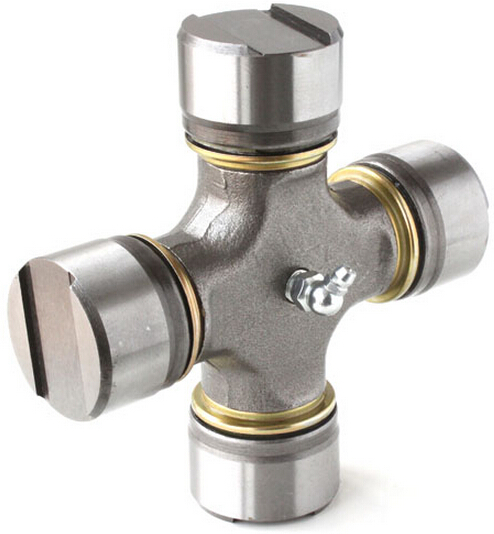
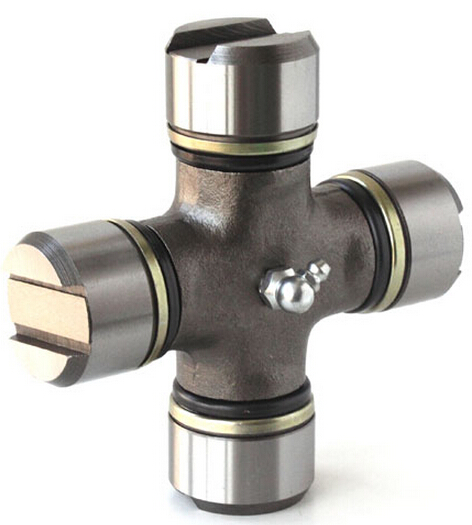
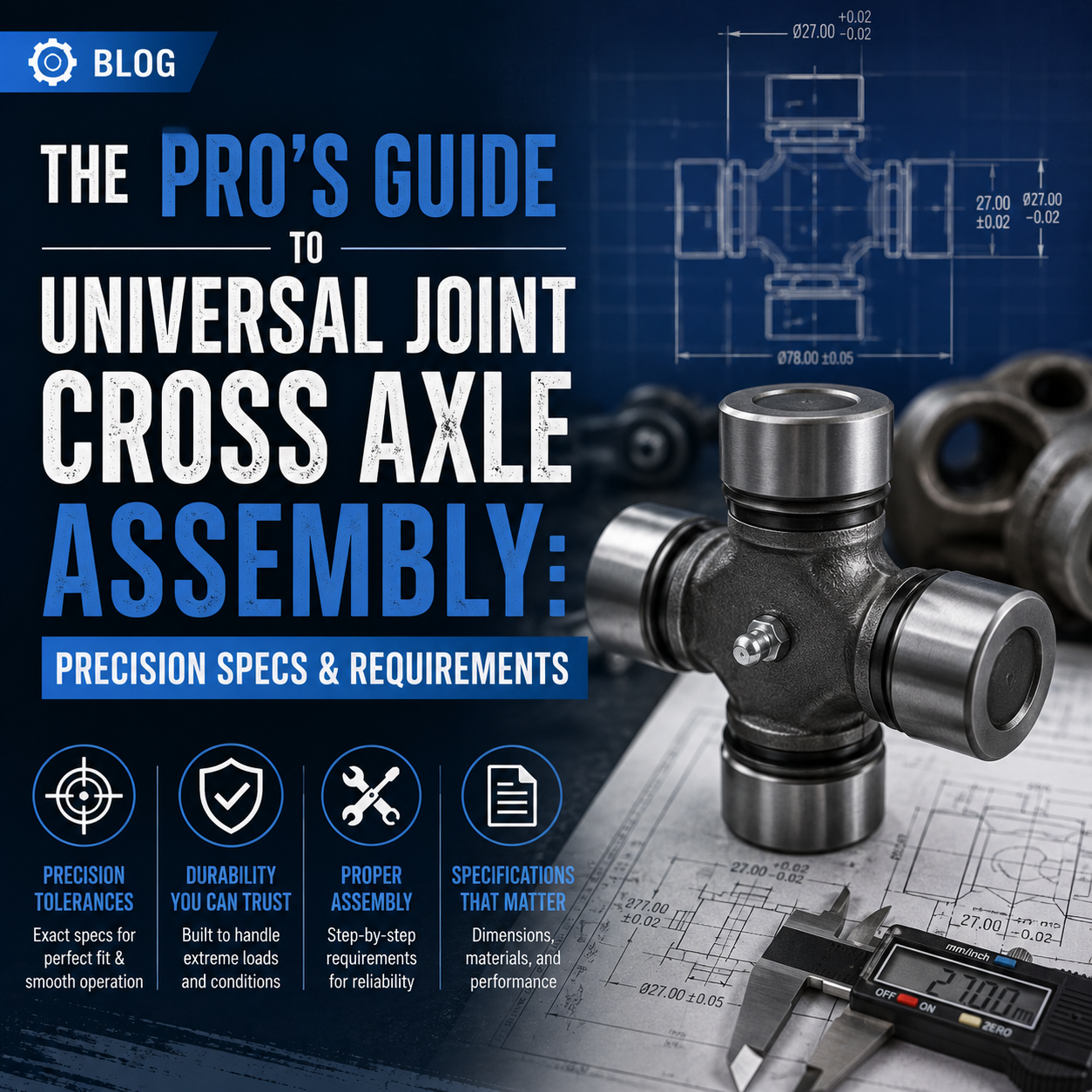
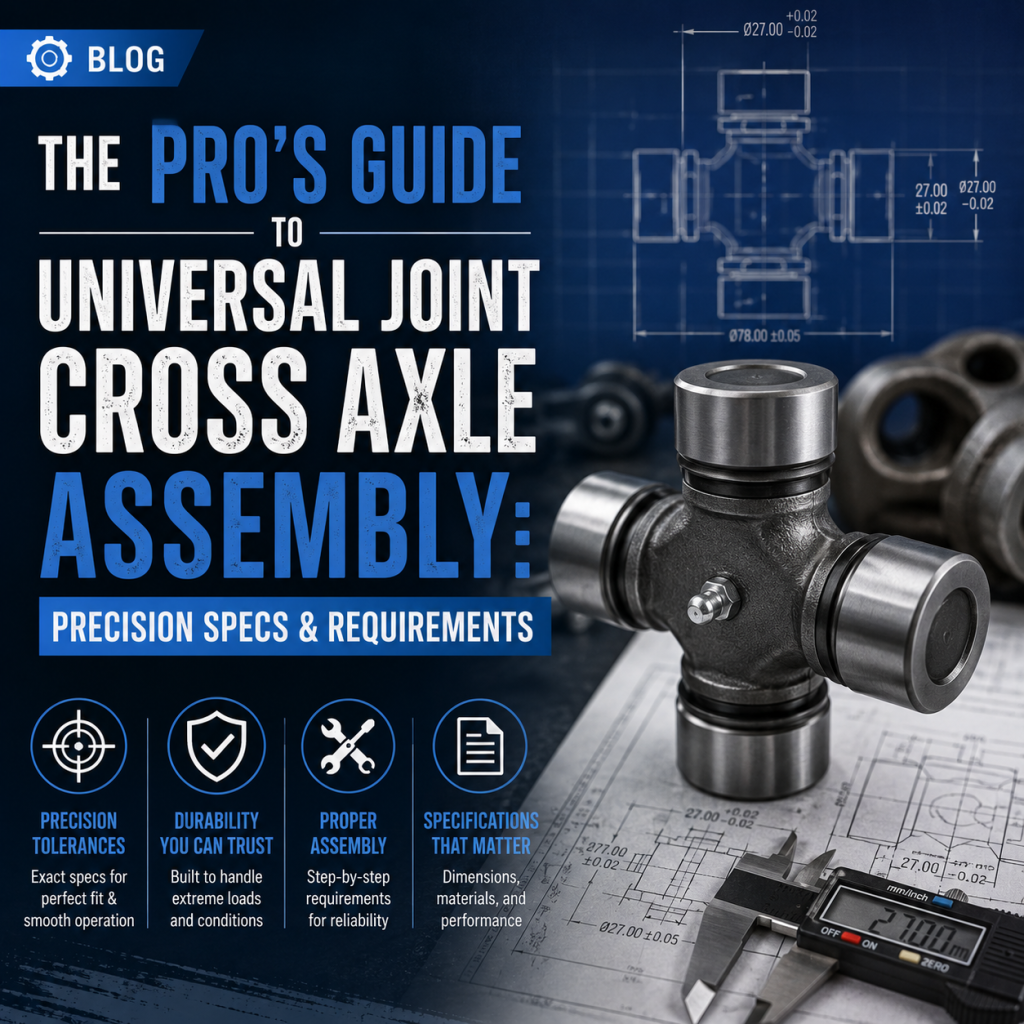
Getting a universal joint cross axle assembly right isn’t just about “putting it together.” It’s about managing tolerances that are thinner than a human hair. Whether you are in a high-volume manufacturing facility or a specialized repair shop, the way you assemble the cross axle determines the vibration levels and the ultimate lifespan of the drive shaft.
Here is the technical breakdown of the assembly requirements needed to ensure a smooth, long-lasting power delivery.
1. Precision Alignment of Cross Axle Components
The universal joint cross axle requires absolute angular alignment between its four trunnions and the connecting yokes. To achieve equal velocity transmission (avoiding that dreaded “shudder”), the cross axle must be perfectly perpendicular to both the input and output shaft axes.
In a professional assembly environment, yoke forks should form a planar configuration with a deviation of no more than 0.5°. Most manufacturers, including HangHuJX, provide alignment reference points on the yoke flanges. Ignoring these marks during reassembly is a one-way ticket to drivetrain vibration.
Alignment Deviation Limits:
| Parameter | Tolerance Limit | Consequence of Failure |
| Yoke Plane Deviation | ≤ 0.5° (Initial) | Non-uniform stress distribution |
| Angular Deviation (Loaded) | ≤ 1.0° | Accelerated bearing wear |
| Perpendicularity | Absolute | High-frequency vibration |
2. Tightness Control and Rotational Clearance
Finding the “Goldilocks zone” for preload is critical. If it’s too tight, you increase friction and heat; if it’s too loose, you induce radial play that will eventually tear the assembly apart.
The axial clearance between the cross axle and bearing races needs to stay within the 0.02–0.25mm range, while radial clearance should never exceed 0.4mm. This ensures there is just enough room for a lubricant film to form without allowing the components to “clunk” under load.
Technical Specs for Clearance & Torque:
| Specification Type | Requirement |
| Axial Clearance | 0.02 – 0.25mm |
| Radial Clearance | Max 0.4mm |
| Automotive Torque | 39.2 – 58.8 N·m |
| Heavy-Duty Torque | Varies by bolt size (consult manual) |
3. Lubrication System Configuration
Proper lubrication is the difference between a joint that lasts ten years and one that fails in ten months. Each trunnion should feature a pre-filled grease reservoir. During assembly, the grease fitting must be positioned on the outward-facing side of the yoke. This makes periodic maintenance easier and helps prevent road debris from clogging the valve.
Technicians should always use a high-temperature lithium-based grease. It’s vital that the lubrication channels align perfectly during assembly to allow for continuous grease flow between the axle and the bearing races.
Lubrication Check-list:
- Grease Type: High-temp Lithium-based.
- Fitting Position: Outward-facing (accessible).
- Channel Alignment: Verified for 100% flow.
- Seal Integrity: Checked for tears or improper seating.
4. Component Compatibility and Inspection
Mixing and matching parts from different batches is a common mistake. For maximum reliability, cross axles and bearing races should come from the same production batch or undergo matched grinding to ensure the contact surfaces are identical.
The needle bearings are classified by diameter with extreme precision—usually a tolerance of ±0.005mm. Even a tiny mismatch here causes uneven load distribution, leading to a “hot spot” in the bearing and eventual failure.
Final Inspection Protocol:
- Dimensional Verification: Use precision gauges to confirm all clearances.
- Rotational Test: Manually rotate the joint to detect binding or “flat spots.”
- Batch Matching: Confirm trunnions and races are a matched set.
Precision assembly is what separates a standard drive shaft from a high-performance component. By adhering to these strict alignment, clearance, and lubrication standards, you ensure that the drivetrain operates with maximum efficiency and minimum noise.
Looking for precision-matched drivetrain components?
At HangHuJX, we manufacture universal joints and cross axles to the highest ISO9001 standards, ensuring that every part that leaves our floor meets these exact tolerances.