 简体中文
简体中文 English

The drive shaft complies with ROHS environmental protection regulations
Understanding ROHS Compliance for Drive Shafts in the Global Market
Overview of ROHS Directive and Its Impact on Drive Shafts
The Restriction of Hazardous Substances (ROHS) Directive, initially adopted by the European Union in 2003 and updated to ROHS 3 in 2015, is a cornerstone regulation for environmental protection in the electronics and electrical sectors. This directive restricts the use of ten hazardous substances in products, including lead (Pb), mercury (Hg), cadmium (Cd), hexavalent chromium (Cr6+), polybrominated biphenyls (PBBs), polybrominated diphenyl ethers (PBDEs), and four phthalates (DEHP, BBP, DBP, DIBP). For drive shafts, which are integral components in machinery and vehicles, compliance with ROHS ensures they meet stringent environmental and health standards, reducing risks during manufacturing, usage, and disposal.
Drive shafts, often made from metals like steel or aluminum and incorporating coatings or lubricants, must undergo rigorous testing to confirm the absence of restricted substances. Non-compliance can lead to market access barriers, legal penalties, and reputational damage. For instance, in 2025, the EU expanded ROHS scope to include more products, emphasizing the need for continuous adaptation by manufacturers.
Key Substances Restricted Under ROHS and Their Relevance to Drive Shafts
Heavy Metals and Their Alternatives
Lead, cadmium, and mercury are commonly found in metal alloys, coatings, and solders used in drive shafts. Lead, for example, may be present in bearing materials or as a stabilizer in plastics, while cadmium can be used in plating for corrosion resistance. Under ROHS, lead and mercury are limited to 0.1% by weight in homogeneous materials, and cadmium to 0.01%. Manufacturers must replace these metals with safer alternatives, such as tin-based solders or nickel-chromium coatings, without compromising performance.
Hexavalent chromium, a known carcinogen, is often used in passivation treatments for metal surfaces. ROHS restricts its concentration to 0.1%, pushing industries to adopt trivalent chromium or non-chromium alternatives like silane-based coatings.
Brominated Flame Retardants and Phthalates
PBBs and PBDEs, once widely used in plastics and rubbers for fire resistance, are now banned due to their persistence in the environment and bioaccumulation risks. Drive shafts with polymer components, such as bushings or seals, must avoid these substances. Similarly, phthalates like DEHP, used as plasticizers in flexible materials, are restricted to 0.1% to mitigate endocrine disruption risks. Manufacturers are transitioning to phthalate-free alternatives like citrates or adipates.
Testing and Certification Process for ROHS Compliance
Sample Collection and Preparation
ROHS testing begins with representative sampling of drive shafts, including different batches and components. Metals are typically tested as-received, while non-metals like plastics or coatings may require extraction or digestion to isolate target substances. For example, a steel drive shaft might be tested whole, whereas a plastic bushing would be ground into powder for analysis.
Analytical Techniques
- X-Ray Fluorescence (XRF): A non-destructive screening tool for metals, XRF quickly detects elements like lead or cadmium on surfaces. However, it cannot measure internal concentrations, so it’s often paired with chemical methods.
- Inductively Coupled Plasma Mass Spectrometry (ICP-MS): This technique dissolves samples in acid and quantifies metals at parts-per-billion levels, ensuring compliance with ROHS thresholds.
- Gas Chromatography-Mass Spectrometry (GC-MS): Used for organic substances like phthalates or brominated flame retardants, GC-MS separates compounds and identifies them based on molecular weight and fragmentation patterns.
Certification and Documentation
Once testing confirms compliance, manufacturers issue a Declaration of Conformity (DoC) detailing test methods, results, and product specifications. The DoC must be retained for at least 10 years and made available to regulators upon request. Additionally, products may bear the CE mark, indicating they meet all EU directives, including ROHS.
Challenges and Best Practices for ROHS Compliance in Drive Shaft Manufacturing
Supply Chain Management
Ensuring ROHS compliance requires transparency across the supply chain. Manufacturers must verify that raw materials, such as steel billets or polymer resins, are free from restricted substances. This involves auditing suppliers, requesting material certificates, and conducting spot checks. For instance, a drive shaft maker might require its steel supplier to provide ICP-MS test reports for each batch.
Design for Compliance
Product design plays a critical role in ROHS adherence. Engineers should select materials with inherent compliance, such as stainless steel instead of leaded brass, or recycled plastics certified for low phthalate content. Design reviews should also consider manufacturing processes, avoiding steps that introduce restricted substances, like cadmium-based plating.
Continuous Monitoring and Updates
ROHS regulations evolve, with new substances added or limits tightened. Manufacturers must stay informed about updates, such as the 2025 expansion of restricted substances, and adjust processes accordingly. Regular internal audits and retesting of products can help identify non-compliance risks early.
Global Implications of ROHS Compliance for Drive Shaft Exporters
While ROHS originated in the EU, its principles have influenced regulations worldwide. Countries like China, South Korea, and Japan have adopted similar frameworks, creating a de facto global standard. For drive shaft exporters, achieving ROHS compliance opens doors to multiple markets, reducing the need for multiple certifications. Conversely, non-compliance can lead to costly recalls or import bans, as seen in cases where automotive components failed ROHS tests in Europe.
In conclusion, ROHS compliance for drive shafts is a multifaceted process involving material selection, rigorous testing, and supply chain vigilance. By prioritizing environmental responsibility and staying abreast of regulatory changes, manufacturers can ensure their products meet global standards, safeguarding human health and the planet.
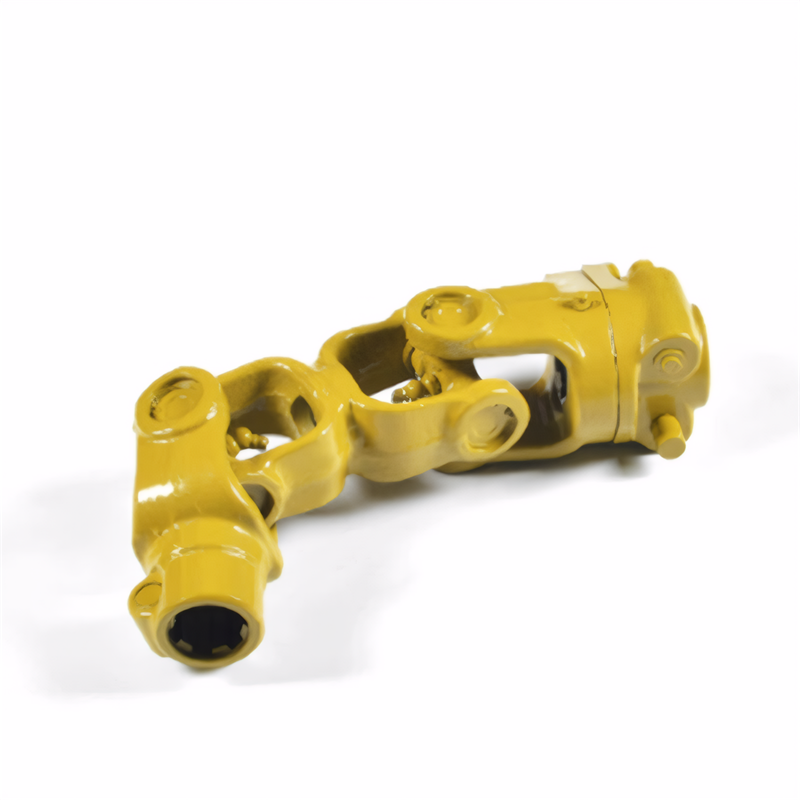 Transmission shaft safety perf
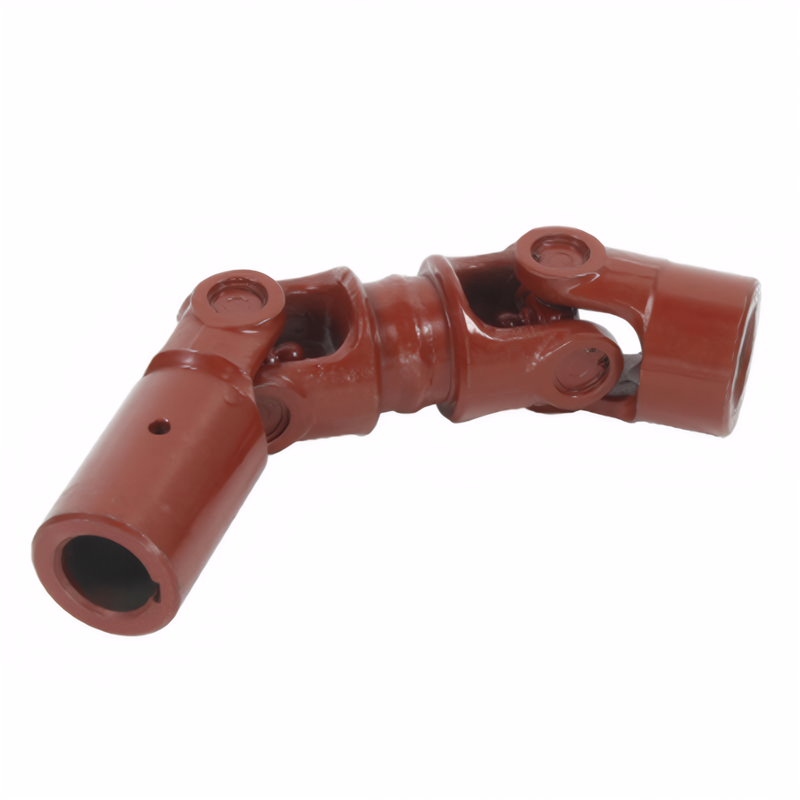 Transmission shaft life test s
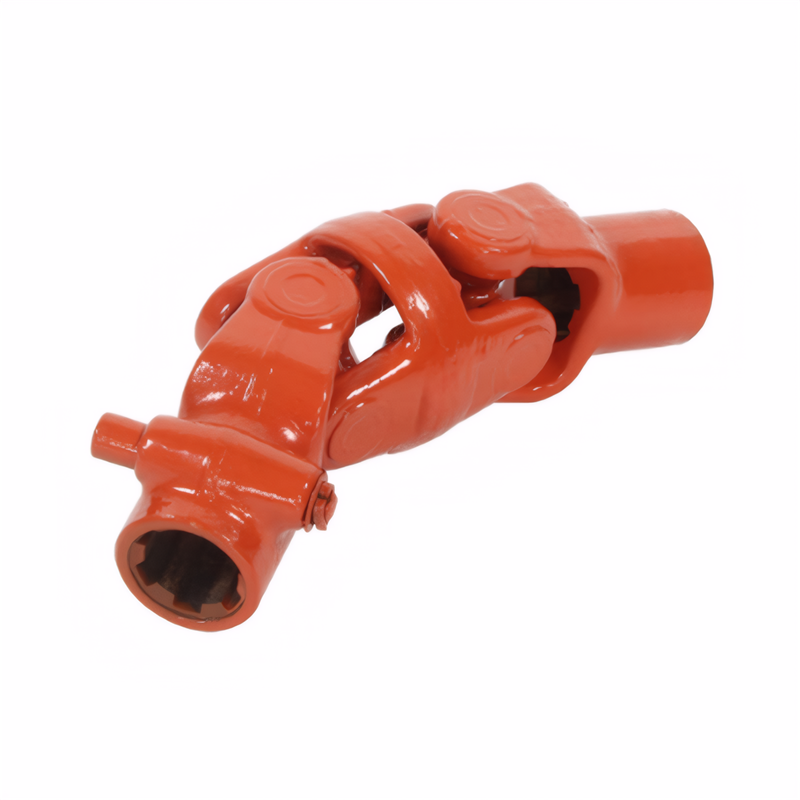 Test requirements for transmis
Standard for batch inspection
Test requirements for transmis
Standard for batch inspection