 简体中文
简体中文 English

Technical requirements for CE Certification of drive shafts
Technical Requirements for CE Certification of Drive Shafts
Compliance with Core Directives
Drive shafts seeking CE certification must adhere to the Machinery Directive (2006/42/EC), which establishes safety, health, and environmental protection requirements for mechanical equipment. This directive applies to all drive shafts used in machinery, regardless of their application or industry. Additionally, if the drive shaft incorporates electrical components or operates within a specific voltage range, compliance with the Low Voltage Directive (2014/35/EU) is mandatory. This ensures electrical safety by regulating voltage limits and preventing hazards such as electric shock or fire. For drive shafts with wireless communication capabilities or electronic controls, the Electromagnetic Compatibility Directive (2014/30/EU) must be satisfied to minimize electromagnetic interference with other devices.
Mechanical Safety Standards
Risk Assessment and Mitigation
Manufacturers are required to conduct a thorough risk assessment per EN ISO 12100:2023, which outlines principles for designing safe machinery. This involves identifying potential hazards associated with the drive shaft, such as mechanical failure, excessive vibration, or unexpected movement, and implementing measures to eliminate or reduce these risks. For example, incorporating safety guards or interlocks can prevent access to rotating components during operation, while proper balancing reduces vibration levels to acceptable limits.
Structural Integrity and Performance
Drive shafts must demonstrate sufficient strength and durability to withstand operational loads without failure. Testing should verify compliance with standards like EN ISO 7800 for torsion resistance and EN ISO 8611 for fatigue life. These tests simulate real-world conditions, such as repeated stress cycles or sudden torque spikes, to ensure the drive shaft maintains its structural integrity over time. Additionally, dimensional accuracy is critical, as deviations from specified tolerances can lead to misalignment, premature wear, or catastrophic failure.
Material and Chemical Compliance
Material Selection and Testing
The materials used in drive shaft construction must meet specific mechanical properties, such as tensile strength, hardness, and ductility, as defined by relevant standards. For instance, alloy steel shafts may require heat treatment to achieve the desired surface hardness while maintaining core toughness. Material composition should be verified through chemical analysis to ensure the absence of prohibited substances, such as heavy metals or harmful additives, which could pose environmental or health risks.
Surface Finish and Coating Requirements
Surface treatments, such as coatings or platings, must be evaluated for their impact on safety and functionality. For example, anti-corrosion coatings should not flake or degrade under normal operating conditions, as this could introduce contaminants into the system or compromise the shaft’s structural integrity. Similarly, lubricants or greases used in assembly must be compatible with the materials and not cause adverse reactions, such as swelling or cracking of seals or gaskets.
Documentation and Labeling Obligations
Technical File Preparation
A comprehensive technical file is essential for CE certification, documenting every aspect of the drive shaft’s design, manufacturing, and testing processes. This file should include detailed engineering drawings, material certificates, risk assessment reports, test results, and instructions for safe use and maintenance. The technical file serves as evidence of compliance with all applicable directives and standards, enabling authorities to verify the product’s safety and performance.
CE Marking and Product Identification
Once all requirements are met, the drive shaft must be marked with the CE symbol, indicating conformity with EU regulations. The CE mark must be clearly visible, legible, and indelible, typically placed on the product itself or its packaging. Additionally, the product should be labeled with identifying information, such as the manufacturer’s name, model number, and serial number, to facilitate traceability and recall management if necessary.
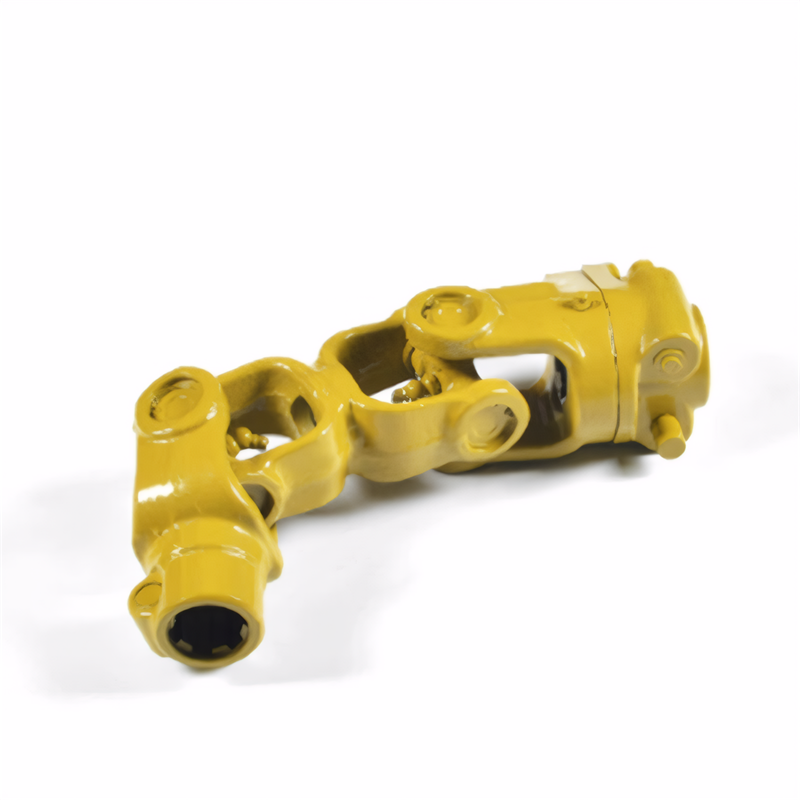 Transmission shaft safety perf
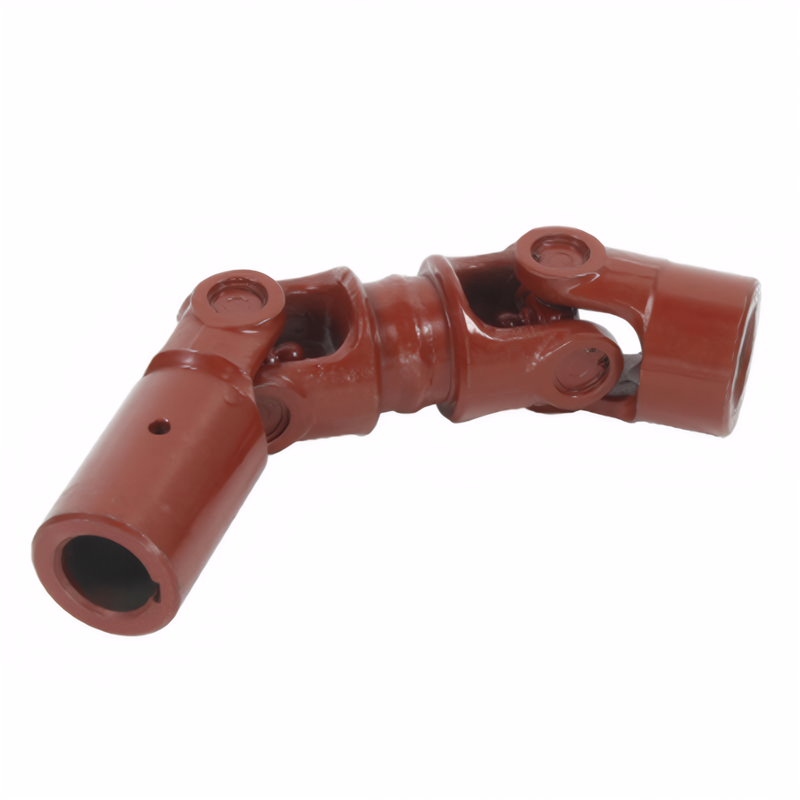 Transmission shaft life test s
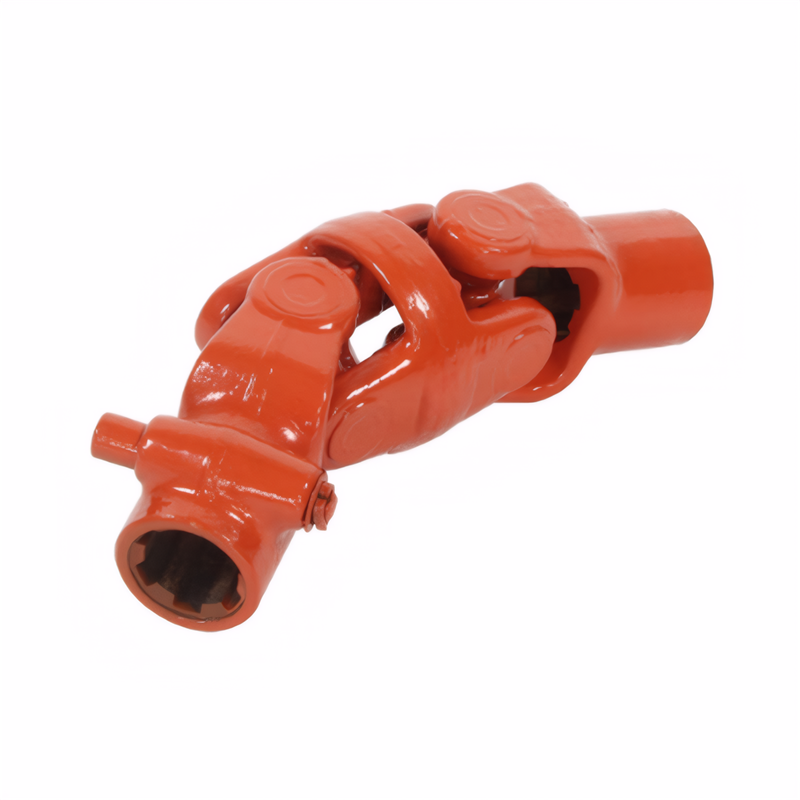 Test requirements for transmis
Standard for batch inspection
Test requirements for transmis
Standard for batch inspection