 简体中文
简体中文 English

Aerospace compliance requirements for drive shafts
Compliance Requirements for Drive Shafts in the Aerospace Industry
Material and Structural Integrity Standards
Drive shafts in aerospace applications must adhere to stringent material specifications to withstand extreme operational conditions. High-strength alloy steels, titanium alloys, and advanced composites are commonly mandated for their ability to resist fatigue, corrosion, and thermal degradation. For instance, materials used in turbine engine drive shafts must maintain structural integrity at temperatures exceeding 500°C while enduring cyclic stresses exceeding 800 MPa.
Structural design requirements emphasize minimizing stress concentrations through fillet radii and smooth transitions. Critical sections, such as keyways and splines, must comply with geometric tolerances defined by ISO 1101 to prevent premature failure under dynamic loads. Aerospace-grade drive shafts also incorporate redundancy features, such as dual-path designs, to ensure operational continuity even if one component fails.
Non-destructive testing (NDT) protocols, including ultrasonic and magnetic particle inspections, are mandatory to detect subsurface flaws. These tests must adhere to ASTM E1444 and ISO 9712 standards, with acceptance criteria limiting defect sizes to ≤0.5mm in critical regions.
Performance Under Extreme Environmental Conditions
Aerospace drive shafts operate in environments characterized by wide temperature fluctuations, high vibration levels, and exposure to corrosive substances. For example, satellite-mounted drive shafts must function reliably in vacuum conditions at temperatures ranging from -180°C to +120°C. This necessitates the use of vacuum-compatible lubricants and materials with low outgassing rates to prevent contamination of sensitive instruments.
Vibration resistance is another critical parameter. Drive shafts in helicopter rotor systems, for instance, must endure resonant frequencies up to 5,000 Hz without experiencing excessive amplitude growth. Compliance with MIL-STD-810G environmental testing standards ensures survival under shock loads of 50g and vibration spectra mimicking flight profiles.
Corrosion protection is achieved through coatings like anodized aluminum or nickel plating, which must pass salt spray tests per ISO 9227 for 1,000 hours without visible degradation. Sealing mechanisms, such as labyrinth seals or hermetic enclosures, prevent ingress of moisture and particulates, extending service life in harsh environments.
Certification and Regulatory Compliance Frameworks
Global aerospace authorities enforce rigorous certification processes to validate drive shaft safety and performance. In the United States, the Federal Aviation Administration (FAA) requires compliance with FAR Part 23/25 for civil aircraft and FAR Part 29 for rotorcraft. These regulations specify design load factors, fatigue life requirements, and failure modes analysis (FMEA) documentation.
The European Union Aviation Safety Agency (EASA) enforces equivalent standards under CS-23/25/29, with additional emphasis on damage tolerance and single-event upset (SEU) resistance for avionics-integrated drive systems. Certification involves both design approval (e.g., Type Certificate) and production oversight (e.g., Production Organization Approval) to ensure consistency across manufacturing batches.
International collaboration is facilitated through mutual recognition agreements (MRAs) between regulatory bodies, such as the FAA-EASA MRA, which streamline cross-border certification. Manufacturers must also comply with industry-specific standards like SAE AS9100 for quality management systems and NADCAP accreditation for specialized processes like heat treatment and NDT.
Lifecycle Management and Maintenance Protocols
Aerospace drive shafts require proactive lifecycle management to mitigate risks associated with wear and aging. Condition-based maintenance (CBM) strategies leverage sensors to monitor parameters like vibration, temperature, and torque in real time. Data analytics tools process this information to predict remaining useful life (RUL) and schedule inspections or replacements before catastrophic failures occur.
Overhaul intervals are dictated by manufacturer recommendations and regulatory guidelines, typically ranging from 5,000 to 20,000 flight hours depending on application severity. During overhauls, drive shafts undergo dimensional verification using coordinate measuring machines (CMMs) compliant with ISO 10360, ensuring tolerances remain within ±0.01mm for critical features.
Repair procedures must follow approved processes outlined in structural repair manuals (SRMs) or component maintenance manuals (CMMs). Welding or machining repairs, for example, require prior approval from the original equipment manufacturer (OEM) and may involve post-repair heat treatment to restore material properties. Documentation of all maintenance activities is mandatory for traceability and airworthiness certification.
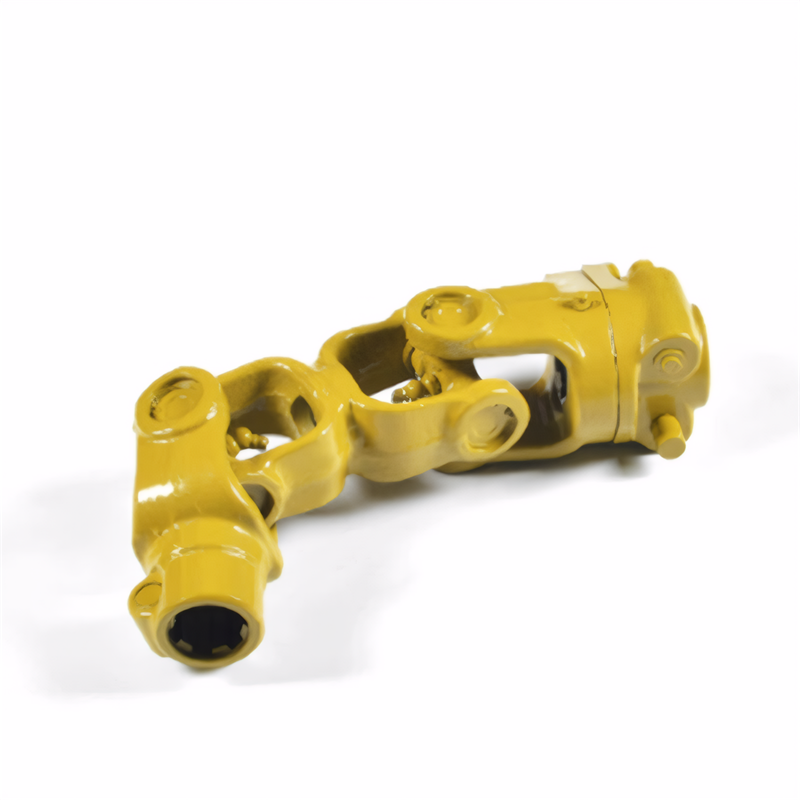 Transmission shaft safety perf
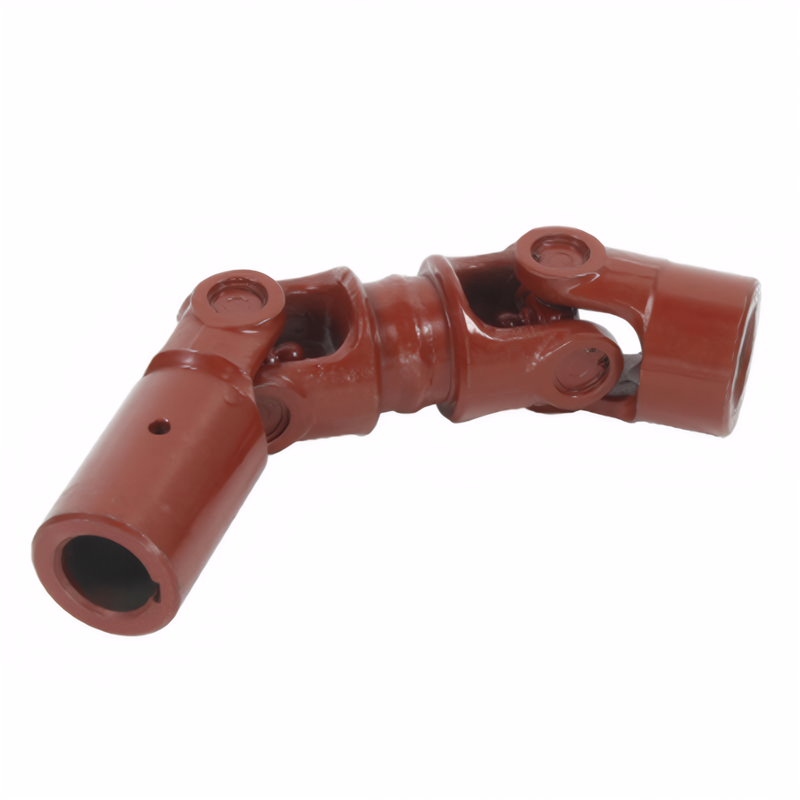 Transmission shaft life test s
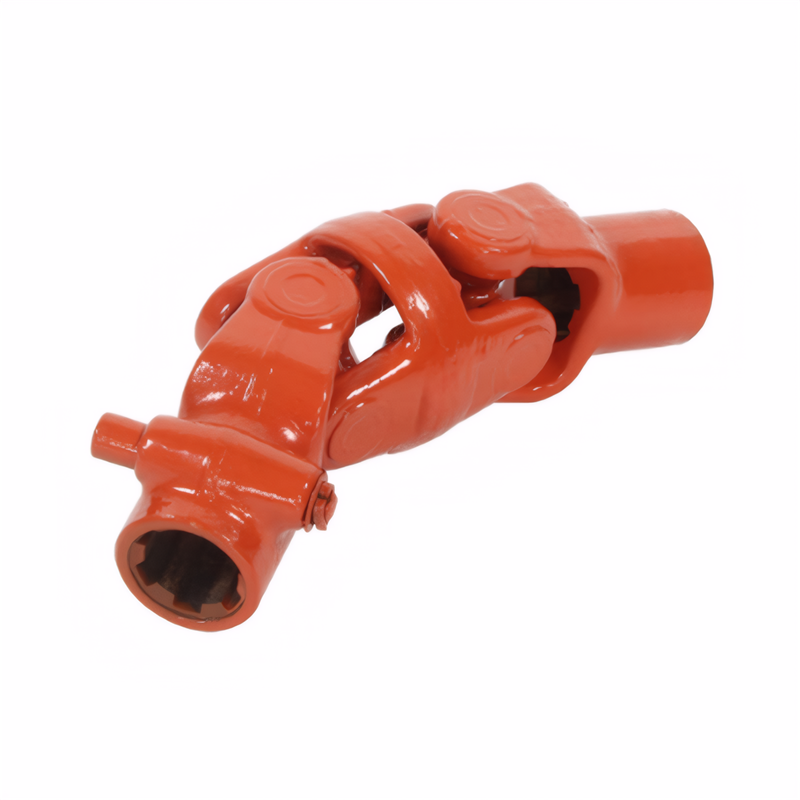 Test requirements for transmis
Standard for batch inspection
Test requirements for transmis
Standard for batch inspection