 简体中文
简体中文 English

Quality standards for drive shafts in the shipbuilding industry
Quality Standards for Drive Shafts in the Marine Industry
Dimensional Accuracy and Geometric Tolerance Requirements
Marine drive shafts must adhere to strict dimensional specifications to ensure compatibility with propulsion systems. The outer diameter of intermediate shafts, for example, must maintain a tolerance of ±0.05mm per meter of length, as mandated by the China Classification Society (CCS) Steel Sea-Going Ship Rules. This precision prevents misalignment during installation, which could lead to premature bearing wear or vibration-induced failures.
For shafts with flanged connections, radial runout must not exceed 0.03mm on flanges with diameters under 120mm, while larger flanges (over 700mm) allow a maximum of 0.06mm. End-face runout is equally critical, with limits ranging from 0.02mm to 0.12mm depending on flange size. These parameters align with ISO 1101 standards for geometric tolerancing, ensuring uniformity across global manufacturing practices.
Cylindricity and roundness tolerances further define quality thresholds. Working journals—the sections of the shaft that interface with bearings—must exhibit roundness errors no greater than 0.01mm for new components. When journals exceed standard length, cylindrical deviations can increase by 0.01mm per additional 100mm, provided the total error remains within operational safety margins.
Material Performance and Heat Treatment Specifications
Drive shafts in marine applications are typically forged from high-strength alloy steels, such as 30CrMo or 42CrMo, which offer a balance of tensile strength (≥1,000 MPa) and fatigue resistance. The forging process must eliminate internal defects like shrinkage cavities or non-metallic inclusions, as these could act as stress concentrators under cyclic loading.
Heat treatment protocols are equally vital. After forging, shafts undergo quenching and tempering to achieve a hardness range of HRC 28–35. This treatment enhances wear resistance while maintaining sufficient ductility to absorb shock loads. For example, propeller shafts exposed to seawater corrosion often feature surface hardening via induction heating, creating a case-hardened layer (≥3mm thick) with a hardness of HRC 55–60.
Non-destructive testing (NDT) methods, including magnetic particle inspection and ultrasonic flaw detection, verify material integrity post-treatment. These tests detect cracks as small as 1.5mm in length or voids exceeding 2mm in diameter, ensuring compliance with ASTM E709 and ISO 9712 standards.
Assembly and Installation Quality Control
Proper alignment during shaft installation is non-negotiable for marine propulsion systems. The Holzer Method, a vibration analysis technique, calculates torsional resonance frequencies to avoid operational overlaps that could cause catastrophic failures. For instance, a single-screw vessel’s shaft system must be tuned so its first-order torsional vibration frequency falls outside the engine’s firing frequency range.
Laser alignment tools are commonly used to measure shaft centerline deviations, which must remain below 0.05mm/m for intermediate shafts. Flange bolt preload torque is another critical factor; errors exceeding ±5% can lead to joint loosening or fatigue cracking. Manufacturers often specify torque values based on shaft diameter, such as 450–500 N·m for 200mm-diameter flanges.
Post-installation testing includes running trials to monitor bearing temperatures and vibration levels. Slide bearings should not exceed 70°C, while rolling element bearings have a limit of 80°C. Vibration acceleration must comply with ISO 10816-3, which categorizes machinery into four groups based on rotational speed and mounting type. For example, a 150kW marine engine operating at 1,200 rpm falls under Group II, requiring vibration limits of 2.8mm/s (velocity) or 10m/s² (acceleration).
Environmental Adaptability and Durability Tests
Marine drive shafts face extreme conditions, from Arctic ice loads to tropical humidity. Salt spray testing per ISO 9227 evaluates corrosion resistance, with specimens exposed to 5% NaCl solution for 500 hours without visible rust on critical surfaces. Thermal cycling tests simulate temperature shocks, such as sudden transitions from -40°C (storage conditions) to 85°C (engine room ambient), to assess material stability.
Fatigue life predictions rely on accelerated testing protocols that simulate millions of load cycles. A typical intermediate shaft, for example, must endure 1 million cycles at 80% of its maximum rated torque without failure. This ensures reliability over a 20-year service life, even under variable operational loads.
For vessels operating in shallow waters, shafts may require additional protection against abrasion from sand or debris. Coatings like epoxy resin or ceramic composites can extend service intervals by reducing wear rates by up to 60%, as demonstrated in field trials conducted by the Shanghai Merchant Ship Design and Research Institute.
By adhering to these standards, marine drive shafts achieve the durability and precision required to power vessels safely across global waters, minimizing downtime and maintenance costs while meeting stringent regulatory requirements.
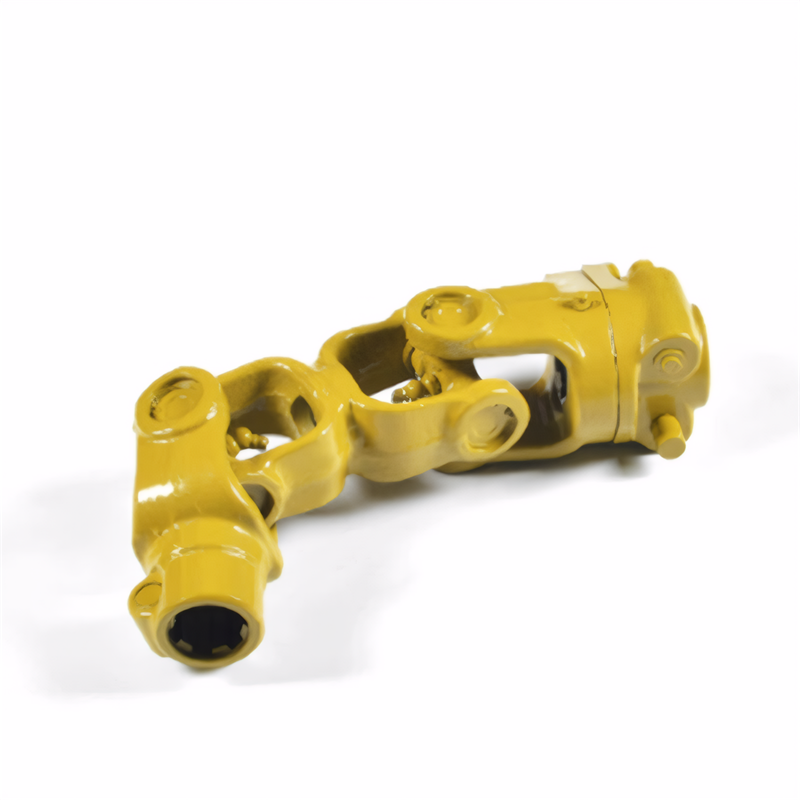 Transmission shaft safety perf
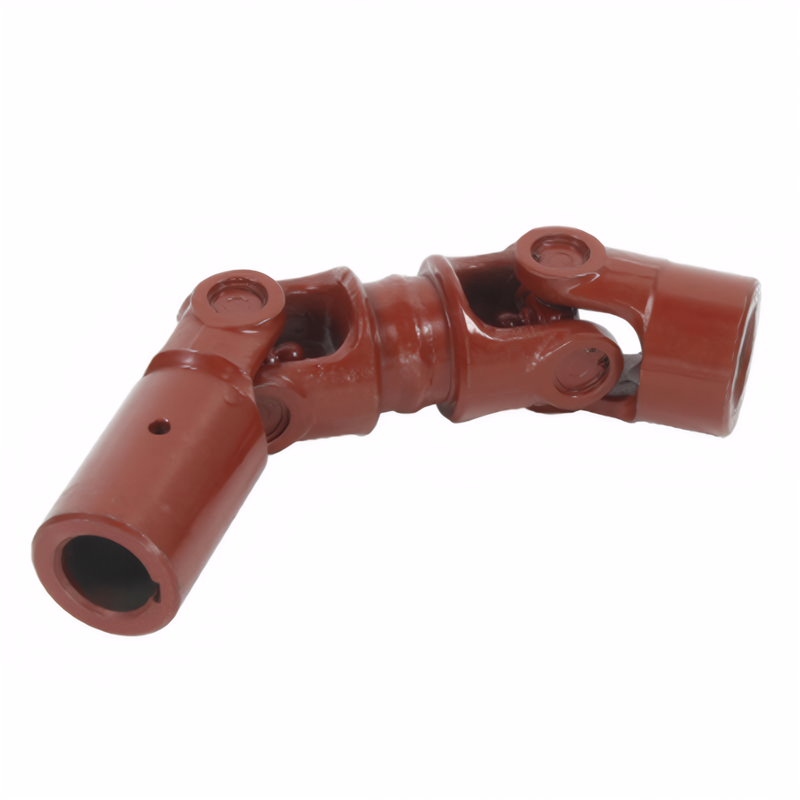 Transmission shaft life test s
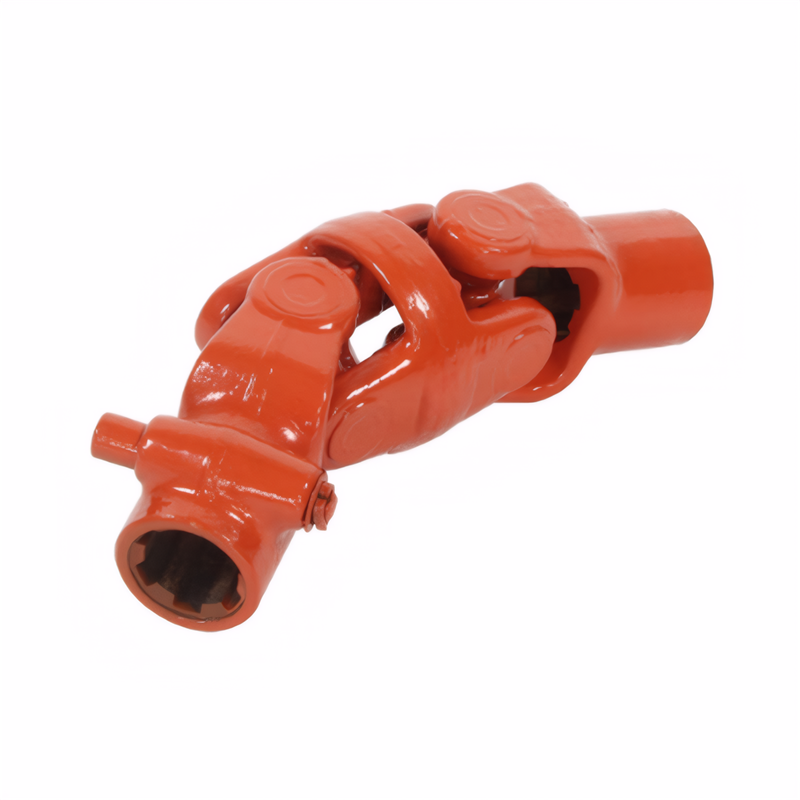 Test requirements for transmis
Standard for batch inspection
Test requirements for transmis
Standard for batch inspection