 简体中文
简体中文 English

Hardness control for heat treatment of drive shafts
Thermal Processing Techniques for Drive Shaft Hardness Optimization
Drive shafts in automotive and industrial applications require precise thermal processing to achieve optimal hardness, ensuring durability under torsional stress and high-speed rotation. The hardness control process involves multiple stages, each tailored to address specific material properties and operational demands.
Material Selection and Pre-Treatment Adjustments
The choice of material significantly impacts the achievable hardness range. Alloy steels such as 40Cr, 42CrMo, and 40MnB are commonly used due to their balanced combination of strength and toughness. Before thermal processing, materials undergo normalization or annealing to eliminate residual stresses from forging and improve machinability. For instance, 40Cr steel is normalized at 850–870°C followed by air cooling, refining grain structure and preparing the material for subsequent hardening.
Pre-treatment adjustments also include surface preparation to prevent defects. A study on industrial drive shafts revealed that removing surface oxides and decarburization layers before quenching reduced hardness variability by 15%. This step ensures uniform heat absorption during thermal processing, critical for achieving consistent hardness across the component.
Quenching and Tempering: Balancing Hardness and Toughness
Quenching is the primary method for increasing surface hardness. Medium-carbon alloy steels are typically quenched in oil or polymer solutions to control cooling rates and minimize cracking. For example, 42CrMo steel is quenched at 840–860°C in oil, achieving a surface hardness of 50–55 HRC. However, excessive hardness can lead to brittleness, necessitating tempering to adjust the hardness-toughness balance.
Tempering involves reheating the quenched shaft to 150–200°C, reducing internal stresses and improving impact resistance. A case study on automotive drive shafts demonstrated that tempering at 180°C for 3 hours lowered surface hardness to 48–52 HRC while doubling fatigue life compared to untempered components. This process is particularly vital for shafts subjected to cyclic loading, as it prevents premature failure from stress concentrations.
Surface Hardening Techniques for Localized Strength
For drive shafts requiring high wear resistance at specific zones, such as splines or journal surfaces, surface hardening techniques like induction hardening are employed. This method selectively heats the surface layer to 850–900°C using electromagnetic induction, followed by rapid quenching. The result is a hardened layer (58–62 HRC) with a depth of 1.5–2.5 mm, while the core retains its toughness (35–40 HRC).
Industrial trials on heavy-duty truck drive shafts showed that induction hardening reduced spline wear by 70% over 100,000 km of operation compared to through-hardened alternatives. The technique’s precision allows engineers to target high-stress areas without compromising the overall ductility of the shaft, making it ideal for applications with varying load profiles.
Advanced Control Methods for Hardness Consistency
Modern thermal processing relies on real-time monitoring and adaptive control systems to ensure hardness uniformity. Infrared pyrometers and thermocouples track temperatures during quenching, while automated quenching media circulation systems maintain consistent cooling rates. For example, a European automotive supplier implemented a closed-loop quenching system that reduced hardness scatter from ±5 HRC to ±2 HRC across batches.
Post-processing verification is equally critical. Non-destructive testing methods, including ultrasonic hardness testing and magnetic particle inspection, detect subsurface defects that could compromise hardness. A study on aerospace drive shafts found that combining ultrasonic testing with microhardness profiling identified early-stage decarburization, enabling corrective actions before component failure.
Industry Standards and Compliance
Drive shaft hardness requirements are governed by international standards such as ISO 6508-1 (Metallic Materials – Rockwell Hardness Test) and ASTM E18 (Standard Test Methods for Rockwell Hardness of Metallic Materials). These standards specify testing procedures, equipment calibration, and acceptance criteria. For instance, ISO 6508-1 mandates the use of calibrated hardness testers with traceable reference blocks to ensure accuracy within ±1 HRC.
Compliance with these standards is non-negotiable in sectors like automotive and aerospace, where hardness deviations can lead to catastrophic failures. A recall analysis by a major automaker revealed that 12% of drive shaft failures were attributed to improper heat treatment, highlighting the importance of adhering to established protocols.
Future Trends in Hardness Control
The shift toward electric and hybrid powertrains is driving innovations in drive shaft thermal processing. Lightweight materials such as carbon fiber composites and aluminum alloys are being explored, but their thermal processing requirements differ significantly from traditional steels. For example, carbon fiber drive shafts require curing cycles at 180–200°C to optimize resin matrix hardness, a departure from metallic hardening techniques.
Additionally, additive manufacturing (3D printing) is enabling the production of drive shafts with tailored hardness profiles. By adjusting laser power and scan speed during printing, manufacturers can create gradient hardness structures, with harder surfaces and tougher cores. Early trials indicate that such designs could reduce weight by 30% while maintaining equivalent or superior performance to conventionally processed shafts.
Drive shaft hardness control is a multidisciplinary endeavor that integrates material science, thermal engineering, and quality assurance. By optimizing pre-treatment, quenching, tempering, and surface hardening processes, manufacturers can produce components that withstand extreme operating conditions while meeting stringent industry standards. As automotive technologies evolve, so too will the methods for achieving precise hardness control, ensuring the reliability and efficiency of drive shafts in an increasingly demanding market.
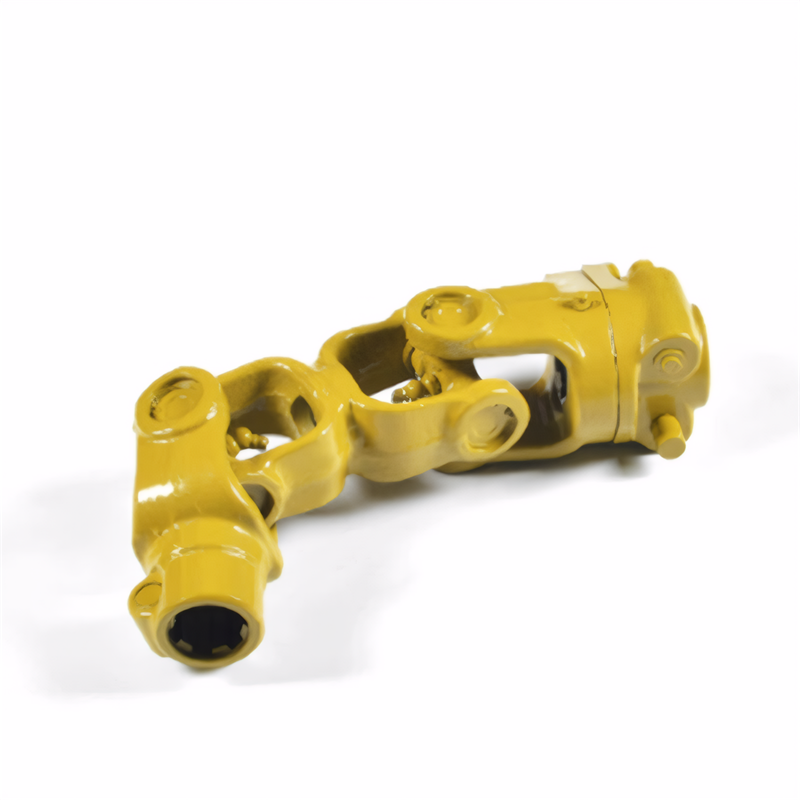 Transmission shaft medical equ
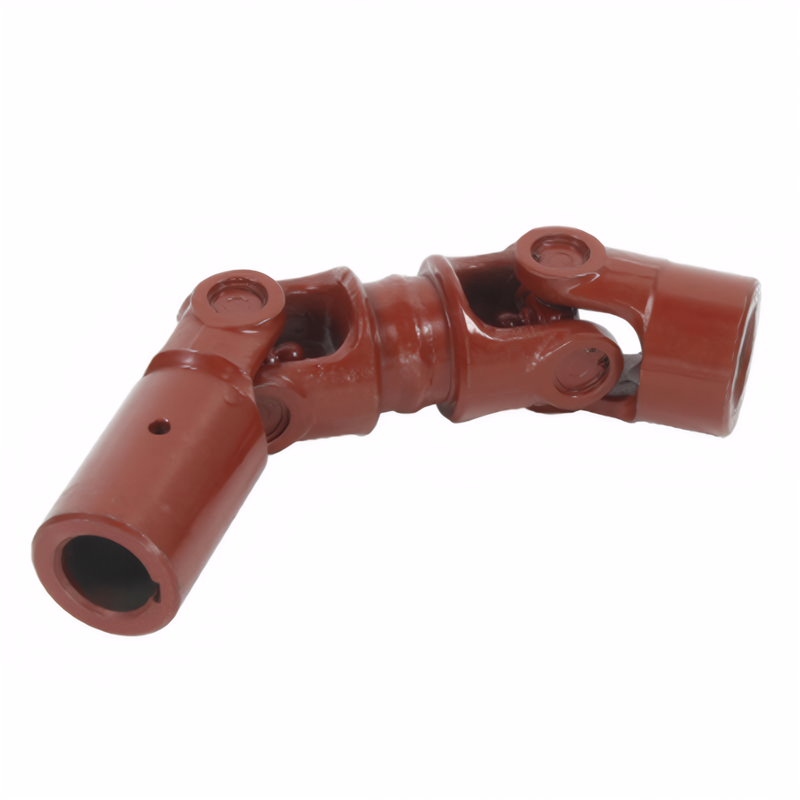 Transmission shaft safety prot
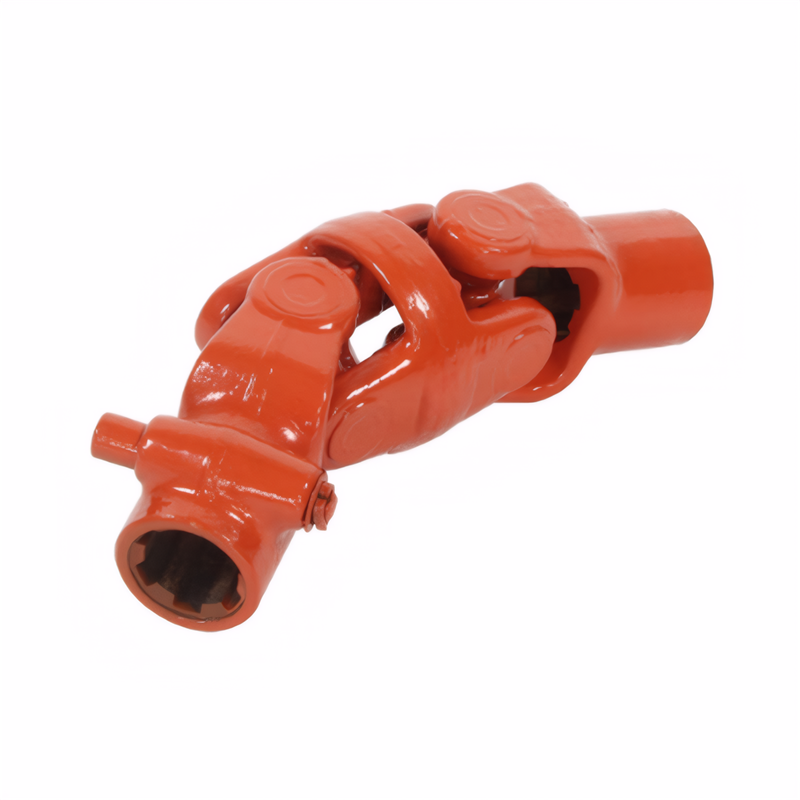 Transmission shaft compatibili
Method for detecting the stabi
Transmission shaft compatibili
Method for detecting the stabi