 简体中文
简体中文 English

The principle of matching the output shaft speed
Fundamentals of Output Shaft Speed Matching in Mechanical Systems
Mechanical power transmission systems rely on precise output shaft speed matching to ensure operational efficiency, reduce wear, and maintain system stability. This principle applies across automotive, industrial machinery, and renewable energy applications where multiple rotating components must synchronize. Understanding the underlying mechanisms enables engineers to design systems that operate within optimal performance parameters.
Core Principles of Speed Synchronization
Gear Ratio Relationships
The foundational concept in speed matching involves gear tooth engagement. When two gears mesh, their rotational speeds maintain an inverse relationship to their tooth counts. For example, a 20-tooth drive gear paired with a 40-tooth driven gear creates a 2:1 speed reduction ratio. This mathematical relationship extends to complex multi-stage transmissions where cumulative ratios determine final output speeds.
In wind turbine gearboxes, planetary gear systems combine multiple sun, planet, and ring gear interactions to achieve precise speed conversion from low-speed rotor rotation to high-speed generator input. The careful calculation of these ratios ensures maximum energy capture across varying wind conditions.
Torque-Speed Trade-offs
Power transmission involves an inherent relationship between torque and rotational speed. The equation (where P is power, T is torque, and ω is angular velocity) illustrates that for constant power transmission, increasing torque requires proportional speed reduction. This principle governs speed matching in electric vehicle drivetrains where motor torque characteristics must align with wheel speed requirements through multi-speed transmissions or single-speed reducers.
Hybrid powertrain systems demonstrate this trade-off dynamically. During acceleration, the internal combustion engine operates at higher torque and lower speed while the electric motor supplements power at higher speeds, requiring precise speed matching between components to prevent driveline shock.
Inertia Compensation Mechanisms
Rotational inertia affects speed matching during transient conditions. Components with different moments of inertia accelerate and decelerate at varying rates when subjected to the same torque. This discrepancy creates speed mismatches during gear shifts or load changes unless compensated.
Dual-mass flywheels in automotive applications address this issue by incorporating spring-damper systems between the engine and transmission. These devices absorb rotational energy fluctuations, allowing smoother speed transitions between engine crankshaft and transmission input shaft. In industrial machinery, clutch systems with controlled engagement profiles serve similar purposes during startup sequences.
Implementation Strategies Across Industries
Automotive Transmission Systems
Modern vehicles employ various speed matching solutions:
- Manual transmissions: Synchronizer rings use friction cones to match input and output shaft speeds during gear shifts, preventing gear clash
- Automatic transmissions: Torque converters utilize fluid coupling to gradually match engine speed with transmission input speed during acceleration
- Continuously variable transmissions (CVTs): Adjust pulley diameters dynamically to maintain optimal engine speed across vehicle speed ranges
Electric vehicle drivetrains simplify this process with single-speed reducers, but still require precise motor control algorithms to match wheel speed requirements under varying acceleration and deceleration profiles.
Industrial Machinery Applications
Speed matching in manufacturing equipment ensures process consistency:
- Conveyor systems: Variable frequency drives (VFDs) adjust motor speeds to maintain product spacing between processing stations
- Rotary indexing tables: Cam mechanisms or servo motors synchronize table rotation with tooling operations to within 0.1-degree accuracy
- Paper processing lines: Differential gearing compensates for web tension variations while maintaining consistent line speeds
In CNC machining centers, spindle speed matching with feed rates determines surface finish quality. The control system continuously adjusts both parameters based on material properties and cutting tool geometry.
Renewable Energy Systems
Wind and hydroelectric power generation rely on precise speed matching:
- Wind turbines: Variable-pitch blades and pitch control systems adjust rotor speed to maintain optimal generator input speed across wind speed ranges
- Hydroelectric generators: Governor systems regulate water flow through turbines to match generator speed with grid frequency requirements
- Tidal energy converters: Gearbox designs accommodate bidirectional rotation while maintaining consistent generator speed output
Solar tracking systems use speed-matched actuators to position photovoltaic panels perpendicular to sunlight throughout the day, maximizing energy capture efficiency.
Advanced Control Techniques
Electronic Speed Control Systems
Modern systems increasingly rely on electronic control for precise speed matching:
- Sensor fusion: Combining encoder, resolver, and Hall effect sensor data improves speed measurement accuracy
- Closed-loop control: PID algorithms adjust motor drive signals based on real-time speed feedback to minimize deviations from target values
- Field-oriented control (FOC): In electric motors, this technique decouples torque and flux components for independent speed and position control
In robotic applications, these techniques enable multiple axes to operate in perfect synchronization, crucial for tasks requiring coordinated motion like welding or assembly operations.
Mechanical Speed Matching Devices
Certain applications still benefit from purely mechanical solutions:
- Variable-ratio gearboxes: Adjust gear ratios dynamically through mechanical linkages or hydraulic systems
- Eddy current couplings: Use magnetic fields to transmit torque while allowing controlled speed slippage
- Fluid couplings: Employ hydraulic fluid shear to gradually match speeds between input and output shafts
These devices find applications in heavy-duty mining equipment where electronic controls might fail under extreme environmental conditions, providing reliable speed matching through robust mechanical principles.
Operational Considerations and Maintenance
Temperature Effects on Speed Matching
Thermal expansion affects component dimensions, potentially altering speed ratios:
- Gear materials: Different coefficients of thermal expansion between gear pairs can create backlash variations
- Bearing preload: Temperature changes affect bearing clearance, influencing rotational friction and speed consistency
- Lubricant viscosity: Temperature-dependent viscosity alters fluid film thickness in hydrodynamic bearings, impacting speed stability
Systems operating across wide temperature ranges, like aircraft actuators, incorporate compensation mechanisms to maintain consistent speed matching performance.
Wear-Induced Speed Variations
Component wear gradually affects speed matching accuracy:
- Gear tooth wear: Reduces meshing efficiency, creating speed fluctuations under load
- Belt/chain stretch: Increases effective pitch diameter, altering speed ratios in belt-driven systems
- Coupling wear: Reduces torsional stiffness, allowing speed variations during torque transients
Regular maintenance schedules based on operational hours or load cycles help identify wear patterns before they significantly impact speed matching performance.
Load Distribution Effects
Uneven load distribution creates speed mismatches:
- Multi-motor drives: Mismatched motor characteristics or voltage supplies cause speed differences between parallel-connected motors
- Flexible couplings: Incorrect installation or wear can introduce angular misalignment, creating speed variations
- Differential gearing: Uneven tire wear in vehicles affects differential operation, creating speed differences between driven wheels
Advanced diagnostic systems monitor load distribution in real-time, adjusting control parameters to maintain speed synchronization across all system components.
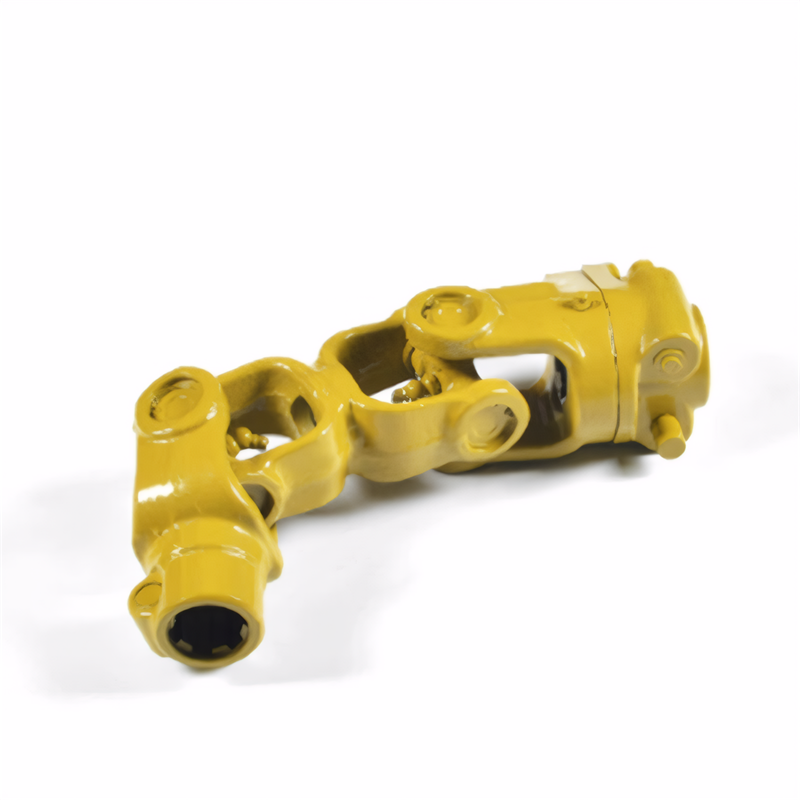 Transmission shaft medical equ
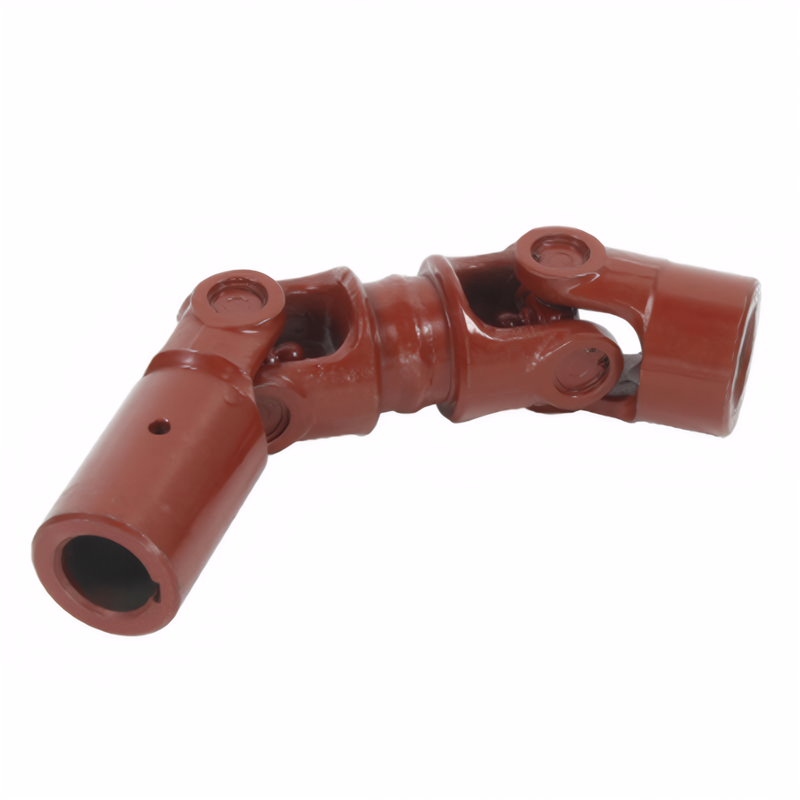 Transmission shaft safety prot
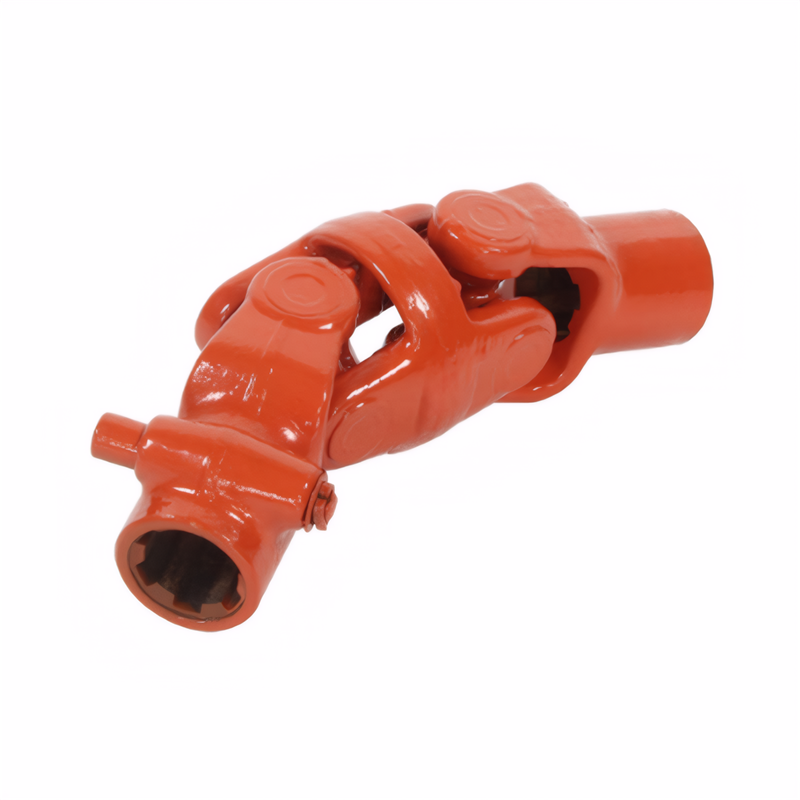 Transmission shaft compatibili
Method for detecting the stabi
Transmission shaft compatibili
Method for detecting the stabi