 简体中文
简体中文 English

Test method for the load-bearing performance of solid drive shafts
Comprehensive Performance Testing Methods for Solid Drive Shaft Bearings
Solid drive shaft bearings play a critical role in automotive powertrain systems, where their durability and precision directly impact vehicle reliability. To ensure optimal performance, manufacturers employ a multi-dimensional testing approach combining mechanical, thermal, and acoustic analysis.
Mechanical Load Capacity Evaluation
The core mechanical test involves applying controlled loads to simulate real-world operating conditions. Using specialized torque testing machines, engineers gradually increase axial and radial forces until structural failure occurs. This process identifies the maximum load capacity while monitoring deformation patterns through laser displacement sensors.
Fatigue life testing further refines performance analysis by subjecting bearings to millions of cyclic loads. Accelerated life testing machines replicate years of operational stress within days, with data loggers recording crack initiation points. Advanced testing protocols now incorporate variable load profiles that mimic urban driving cycles, providing more realistic performance metrics compared to traditional constant-load tests.
Dimensional accuracy verification uses coordinate measuring machines (CMM) with sub-micron precision. These systems scan bearing surfaces to detect deviations from design specifications, particularly in critical areas like raceway curvature and rolling element spacing. Non-contact laser triangulation sensors enable rapid inspection of large production batches without physical contact.
Thermal Management Performance Analysis
Temperature monitoring during load tests reveals critical thermal behavior. Infrared cameras capture surface temperature distributions, identifying hotspots that could lead to premature lubricant degradation. Research indicates that bearings operating above 120°C experience 30% faster wear rates compared to those maintained below 90°C.
Thermal cycling tests expose bearings to rapid temperature fluctuations between -40°C and 150°C. This process evaluates material expansion coefficients and seal integrity under extreme conditions. Specialized test chambers simulate altitude changes by adjusting atmospheric pressure, ensuring reliable performance at high elevations where reduced oxygen levels affect lubrication.
Heat dissipation efficiency is quantified through thermal conductivity measurements. Laser flash analysis determines how quickly heat transfers through bearing components, with high-performance materials demonstrating 20-30% better thermal conductivity than conventional steels. This characteristic becomes crucial in electric vehicle applications where battery cooling systems generate additional heat loads.
Acoustic and Vibration Signature Profiling
Noise emission testing employs advanced acoustic cameras with 128-microphone arrays. These systems create 3D sound maps to pinpoint vibration sources, distinguishing between normal operational noise and defect-induced sounds. Research shows that bearings with surface roughness above 0.8µm produce 15-20% higher noise levels than optimally polished components.
Vibration analysis uses triaxial accelerometers mounted at strategic locations. Frequency domain analysis identifies characteristic resonance peaks, with modern systems capable of detecting 0.001mm displacements at 10kHz frequencies. Machine learning algorithms now classify vibration patterns into specific defect categories, reducing diagnostic time by 40% compared to manual analysis.
Operational deflection shape (ODS) testing visualizes component movement under load. High-speed cameras capture bearing motion at 500fps, while photogrammetry software reconstructs 3D deformation models. This technique has revealed that misalignment angles exceeding 0.5° can reduce bearing life by up to 60%, prompting stricter assembly tolerances in modern production lines.
Advanced Non-Destructive Inspection Techniques
Magnetic particle inspection remains the standard for detecting surface cracks. Recent advancements include automated conveyor systems that process 120 bearings per hour with 99.7% detection accuracy. Fluorescent magnetic particles under UV lighting improve crack visibility by 300% compared to traditional color contrast methods.
Ultrasonic testing penetrates deeper into material structures using phased array probes. These devices generate real-time C-scan images showing internal defects as small as 0.02mm. Time-of-flight diffraction (TOFD) techniques enhance subsurface defect detection, particularly valuable for identifying hydrogen embrittlement in high-strength steel bearings.
Eddy current testing excels at detecting surface and near-surface flaws without removing lubricants. Multi-frequency systems simultaneously analyze multiple defect depths, with rotational eddy current probes enabling inspection of cylindrical surfaces at 60rpm. This method has reduced inspection times by 75% in high-volume production environments.
Lubrication System Performance Verification
Lubricant distribution testing uses fluorescent tracers added to grease formulations. UV lighting reveals coverage patterns, with ideal distribution achieving 95% surface contact within the first 10 minutes of operation. Research indicates that improper lubrication causes 45% of premature bearing failures, making this testing critical.
Seal integrity evaluation employs pressure decay testing, where bearings are pressurized to 5 bar and monitored for 24 hours. Acceptable leakage rates are defined as less than 0.1cc/min, with modern dual-lip seals demonstrating 80% better performance than single-lip designs.
Lubricant life testing accelerates degradation through elevated temperature (120°C) and oxygen exposure. Viscosity changes, acid number increases, and metal wear particle analysis determine remaining useful life. Synthetic lubricants now show 3-5 times longer service intervals compared to mineral-based alternatives in rigorous testing.
These comprehensive testing methodologies ensure solid drive shaft bearings meet the demanding requirements of modern automotive applications. By integrating mechanical, thermal, acoustic, and lubrication analyses, manufacturers achieve optimal balance between performance, durability, and cost-effectiveness. Continuous refinement of testing protocols, driven by advances in sensor technology and data analytics, pushes the boundaries of bearing reliability in an increasingly electrified transportation landscape.
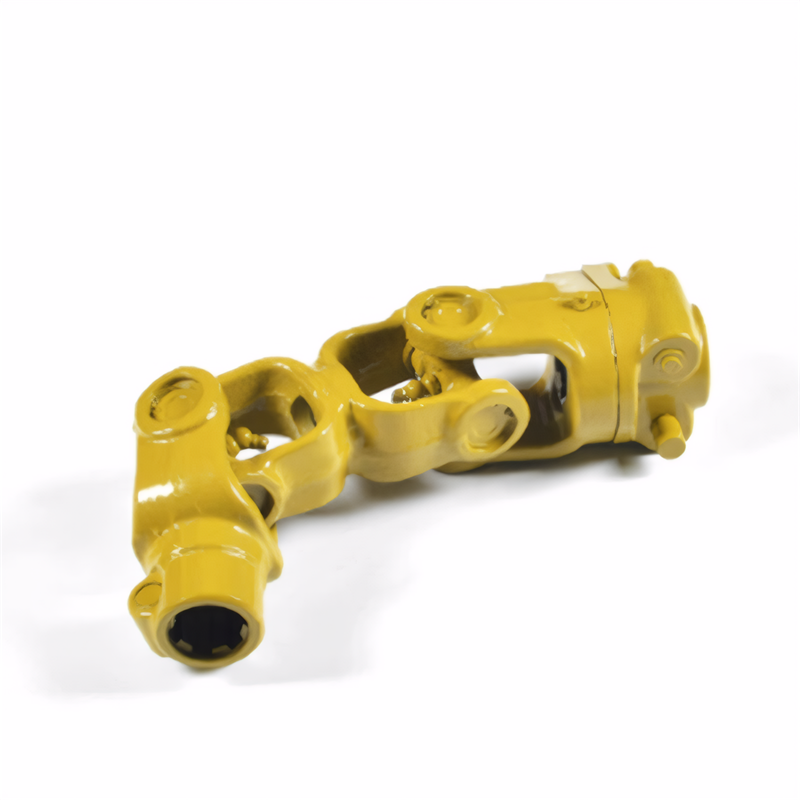 Transmission shaft medical equ
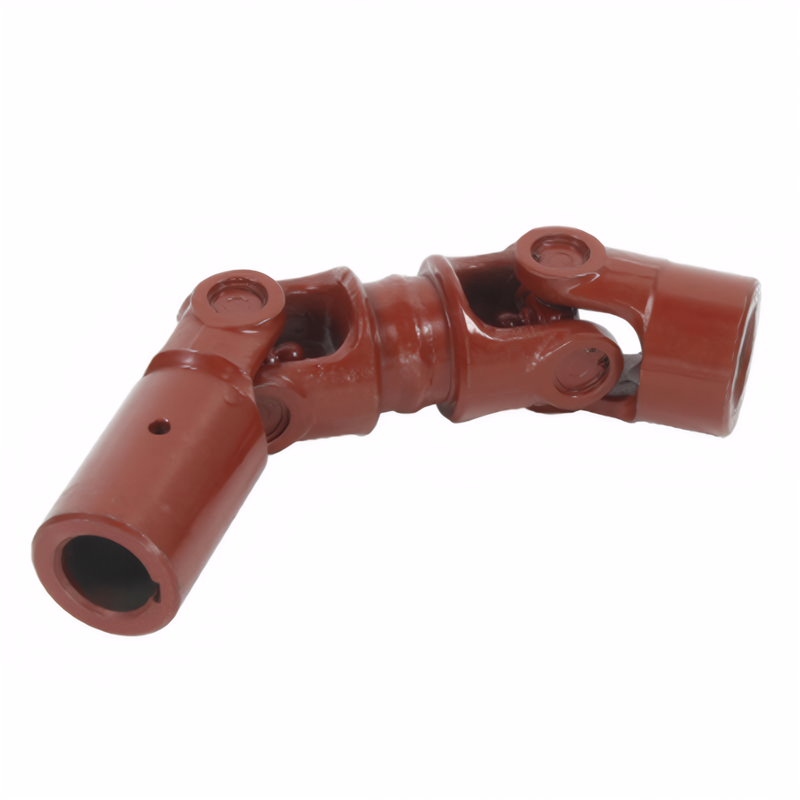 Transmission shaft safety prot
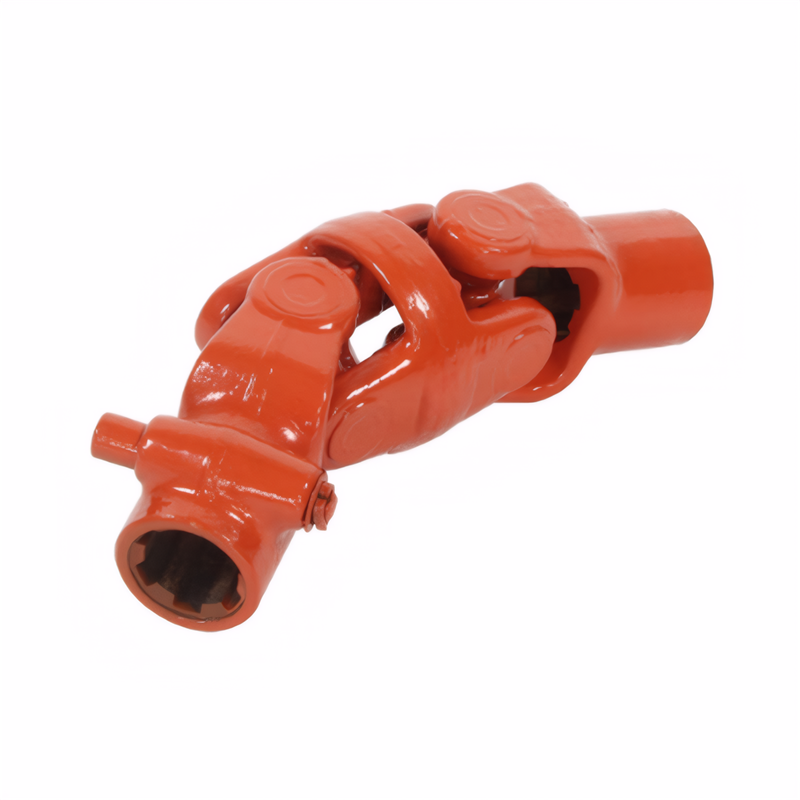 Transmission shaft compatibili
Method for detecting the stabi
Transmission shaft compatibili
Method for detecting the stabi