 简体中文
简体中文 English

Angle compensation for universal joint shafts in four-wheel drive vehicles
Angle Compensation Techniques for Universal Joint Shafts in Four-Wheel-Drive Vehicles
Four-wheel-drive (4WD) systems rely on universal joint (U-joint) shafts to transmit torque between components operating at varying angles, such as the transfer case, differentials, and axles. Proper angle compensation is critical to prevent vibrations, premature wear, and driveline failures. Below are detailed methods to optimize U-joint angles in 4WD vehicles.
Understanding U-Joint Angle Dynamics in 4WD Systems
U-joint angles arise from the relative positioning of driveline components, such as the transfer case output shaft and front/rear axle input shafts. In 4WD vehicles, these angles are influenced by suspension articulation, ride height adjustments, and component misalignment.
- Operating Angle Range: Most U-joints function optimally within a 0°–3° operating angle. Angles exceeding 3° require compensatory measures to avoid excessive wear.
- Phase Angle Alignment: The angles on adjacent U-joints in a driveshaft must be "in phase" (aligned in the same rotational plane) to cancel out vibrations. Misalignment creates harmonic imbalances.
Common Issue: A lifted 4WD truck with a 6° transfer case-to-axle angle may experience driveline vibrations at highway speeds due to improper angle compensation.
Methods for Angle Compensation Without Modifying Components
- Adjusting Suspension Geometry
Lowering or raising the vehicle’s ride height alters the driveline angles. For example, installing a leveling kit on a 4WD SUV can reduce the rear axle’s upward tilt, minimizing the transfer case output angle.- Key Consideration: Use adjustable control arms or track bars to fine-tune axle positioning after suspension modifications.
- Repositioning Driveline Components
Relocating the transfer case or differential slightly can correct severe angle mismatches. This approach is common in custom 4WD builds where factory mounting points limit adjustment.- Technical Insight: Shimming the transfer case mounts upward by 5–10mm can reduce the output shaft angle in vehicles with excessive driveline lift.
- Using Offset Yokes or Flanges
Replacing standard yokes (the splined component connecting the U-joint to the shaft) with offset versions shifts the U-joint’s pivot point. This compensates for minor angle discrepancies without altering suspension or component placement.- Application Example: A 4WD pickup with a 4° front driveshaft angle might use an offset yoke to reduce the effective angle to 2°, aligning it within the safe operating range.
Advanced Solutions for Severe Angle Mismatches
- Double Cardan (CV) Joints
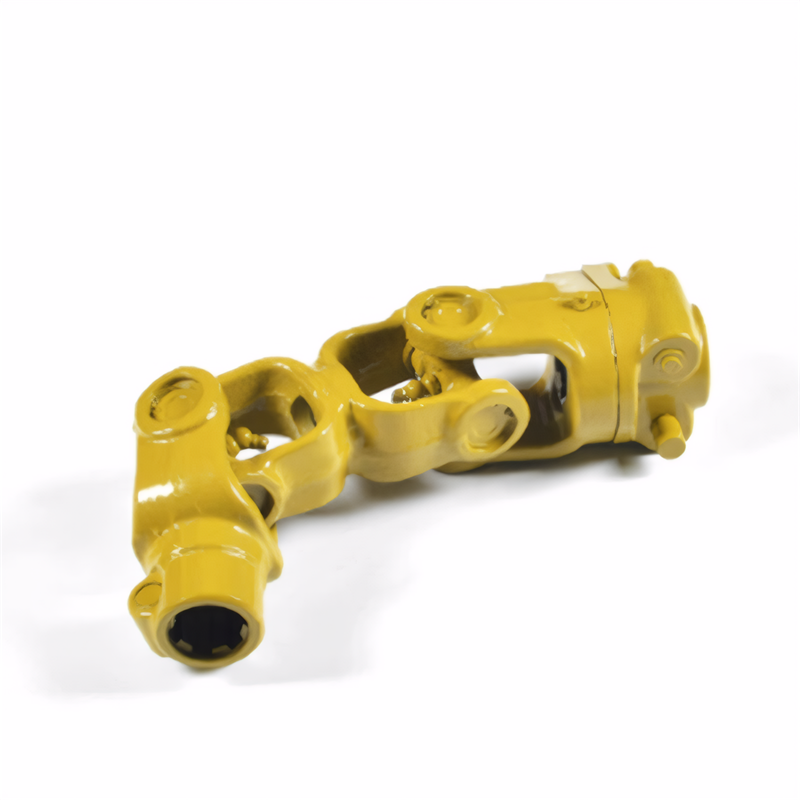
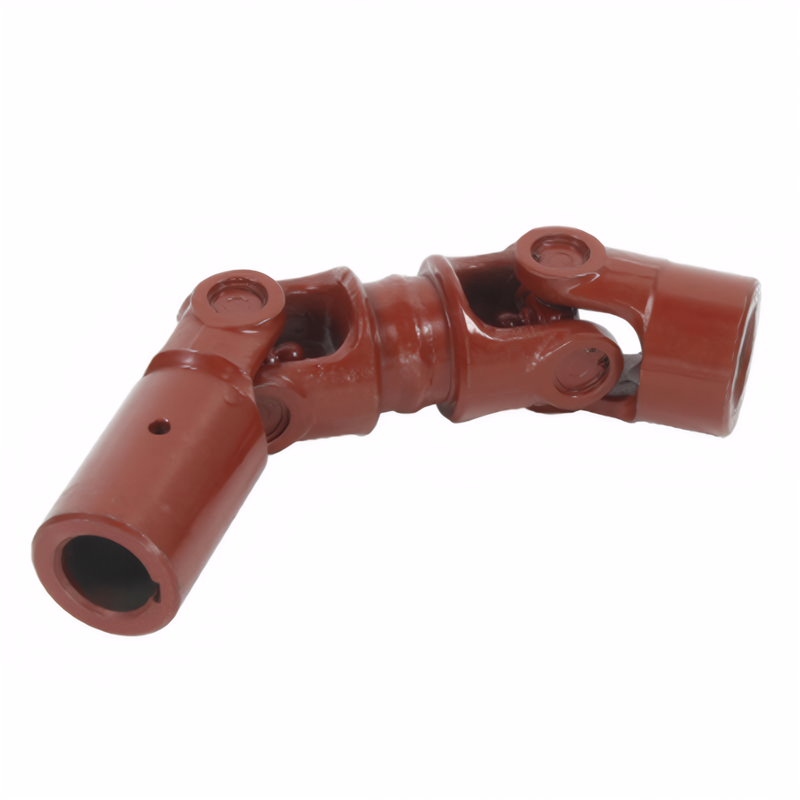
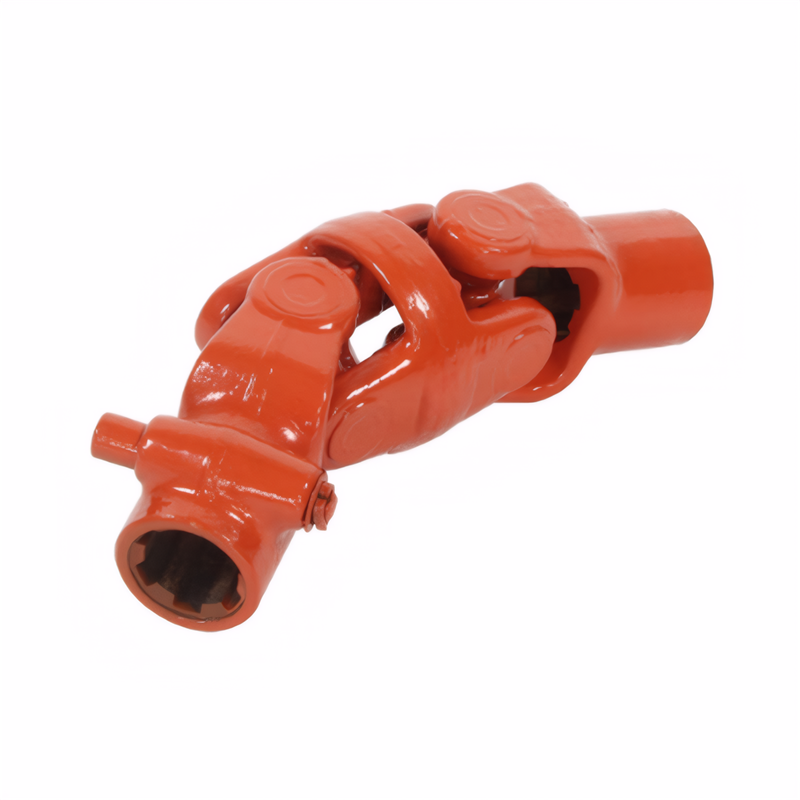
Double Cardan joints, also known as constant-velocity joints, split the operating angle into two smaller angles, reducing vibration. They are ideal for 4WD vehicles with steep driveline angles, such as rock-crawling rigs.- Installation Tip: Ensure the intermediate shaft (the segment between the two U-joints in a double Cardan setup) is perfectly straight. Any bend can cause binding.
- Driveshaft Length Adjustment
Altering the driveshaft’s length changes the relative positioning of U-joint angles. Shortening the shaft reduces the angle at the transfer case end, while lengthening it affects the axle end.- Critical Step: Use a driveshaft angle calculator (available in automotive software or online tools) to determine the optimal length adjustment for your vehicle’s specific angles.
- Torsional Dampers
Installing vibration dampers along the driveshaft absorbs residual harmonics caused by angle mismatches. These are particularly useful in 4WD vehicles with high-torque engines or aggressive tire setups.- Material Note: Dampers made from elastomeric compounds (e.g., rubber or silicone) are effective for low-frequency vibrations, while metal-spring dampers handle higher frequencies.
Diagnosing and Correcting Vibration Issues Post-Compensation
Even after angle adjustments, vibrations may persist due to:
- Improper Torque on Fasteners: Loose U-joint bolts or driveshaft nuts can create play, leading to vibrations. Always torque components to the manufacturer’s specifications.
- Worn U-Joints: A U-joint with pitted bearings or excessive play will transmit vibrations regardless of angle compensation. Inspect joints for wear during maintenance.
- Unbalanced Driveshaft: If angles are correct but vibrations remain, the driveshaft may be out of balance. Professional balancing involves adding or removing weight at specific points.
Testing Protocol: Perform a road test at varying speeds (20–100 km/h) to isolate vibration frequencies. Use a chassis ear (a stethoscope-like tool) to pinpoint the source, such as the transfer case, driveshaft, or axles.
Long-Term Maintenance for Angle Stability
To sustain optimal U-joint angles:
- Regularly Inspect Suspension Components: Worn bushings, ball joints, or control arms can alter driveline geometry over time. Replace components as needed.
- Avoid Extreme Suspension Modifications: Lifts or drops exceeding 75mm often require driveline modifications to maintain safe angles.
- Monitor Driveshaft Angles During Tire Upgrades: Larger tires change the effective axle height, potentially misaligning U-joint angles. Recheck angles after installing new tires.
Pro Tip: For 4WD vehicles used in off-road or heavy-duty applications, consider upgrading to heavy-duty U-joints with higher angular capacity (e.g., 6°–8°) to accommodate extreme articulation.
By applying these techniques, 4WD owners and technicians can ensure smooth power transmission, reduce component stress, and extend the lifespan of driveline systems. Always consult the vehicle’s service manual for model guidelines, as designs vary across manufacturers.
 Transmission shaft medical equ
 Transmission shaft safety prot
 Transmission shaft compatibili
Method for detecting the stabi
Transmission shaft compatibili
Method for detecting the stabi