 简体中文
简体中文 English

Operation steps for replacing the main shaft bearing
Step-by-Step Guide to Spindle Bearing Replacement
Preparation for Bearing Replacement
Before initiating the spindle bearing replacement process, ensure all tools and safety measures are in place. Begin by disconnecting the spindle’s power supply and securing the workspace to prevent contamination. Verify the replacement bearings match the original specifications in terms of size, load rating, and clearance. Tools required include hex wrenches, bearing pullers, hydraulic presses, and cleaning solvents. For precision installations, use a thermal heater to expand bearings slightly before mounting, reducing friction and preventing damage.
Disassembly of the Spindle Assembly
- Remove End Caps and Nuts: Start by loosening the hex screws securing the front and rear end caps. For spindles with integrated cooling systems, detach hoses connected to inlet/outlet ports, ensuring no residual pressure remains.
- Extract the Rotor and Bearings: Use a bearing puller to gently disengage the rear bearing from the shaft. If resistance occurs, apply controlled heat to the bearing housing to expand the metal, facilitating removal. For front bearings, avoid hammering directly; instead, use a hydraulic press with a nylon-tipped tool to avoid scoring the shaft.
- Clean Components: Wipe the shaft and housing with lint-free cloths soaked in isopropyl alcohol. Inspect for pitting or wear, as these may necessitate shaft replacement.
Installation of New Bearings
- Thermal Expansion Technique: Heat the new bearings to 80–100°C using an induction heater, ensuring uniform temperature distribution. This reduces the risk of brinelling during installation.
- Press-Fit Assembly: Align the bearing’s inner race with the shaft’s shoulder. Using a hydraulic press, apply axial force evenly to seat the bearing fully. For angular-contact bearings, maintain the correct preload by adjusting the nut torque per manufacturer guidelines.
- Lubrication Protocol: Apply a thin layer of high-temperature grease to the bearing races and rolling elements. Over-lubrication can cause drag, while insufficient lubrication leads to premature failure.
Reassembly and Final Checks
- Reinstall End Caps and Seals: Position the rear end cap first, ensuring O-rings align with grooves to prevent leaks. Tighten hex screws in a crisscross pattern to distribute pressure evenly. Repeat for the front cap, verifying that ventilation slots remain unobstructed.
- Axial Play Verification: Rotate the spindle by hand to check for smooth operation. Use a dial indicator to measure axial runout; deviations beyond 0.005mm indicate misalignment or improper preload.
- Functional Testing: Reconnect power and run the spindle at low speed (100–500 RPM) for 10 minutes. Monitor temperature rise using an infrared thermometer—excessive heat (above 60°C) suggests inadequate lubrication or misalignment. Gradually increase speed to operational levels, listening for abnormal noise or vibration.
Critical Considerations for long-term reliability
- Environmental Control: Store bearings in climate-controlled environments to prevent condensation, which accelerates corrosion.
- Torque Specifications: Always adhere to the manufacturer’s recommended torque values for nuts and bolts. Over-tightening can distort bearing races, while under-tightening leads to loosening under load.
- Vibration Analysis: After replacement, perform a vibration spectrum analysis to detect early signs of imbalance or misalignment, which are common causes of premature bearing failure.
By following these steps meticulously, technicians can ensure spindle bearings operate at peak efficiency, minimizing downtime and extending service life.
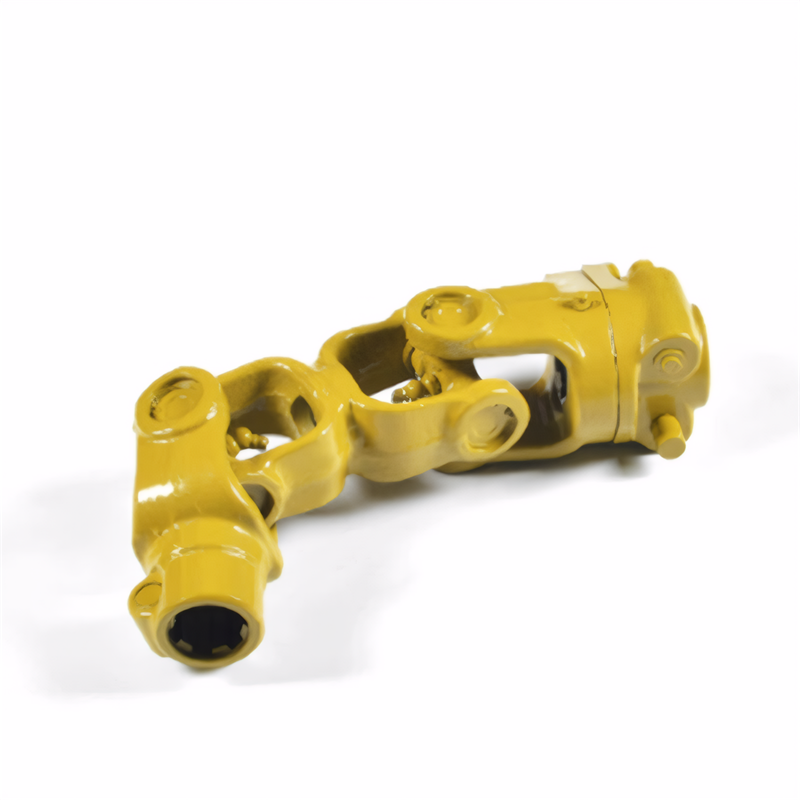 Transmission shaft medical equ
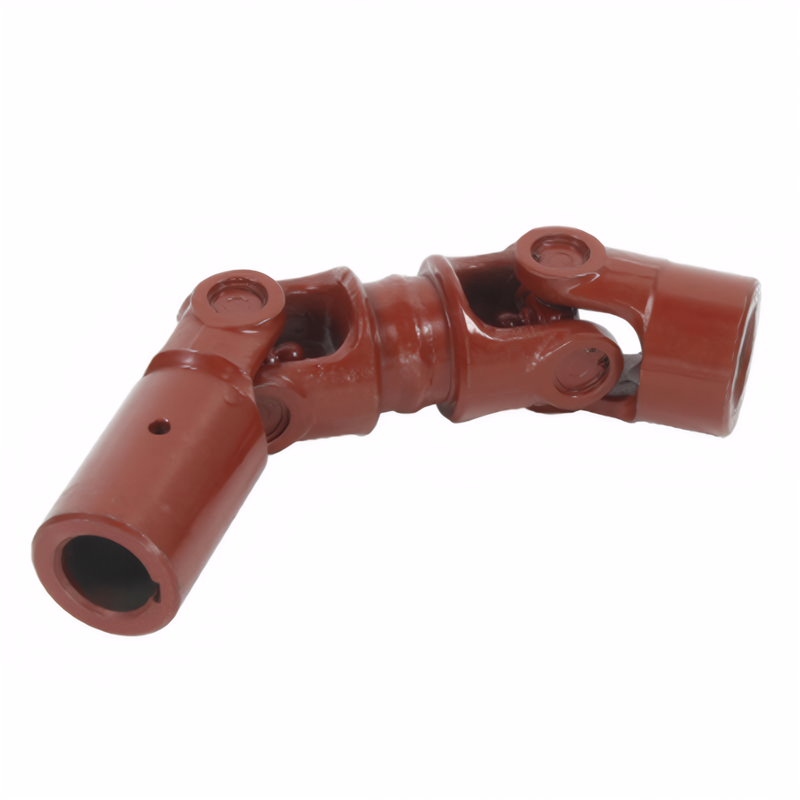 Transmission shaft safety prot
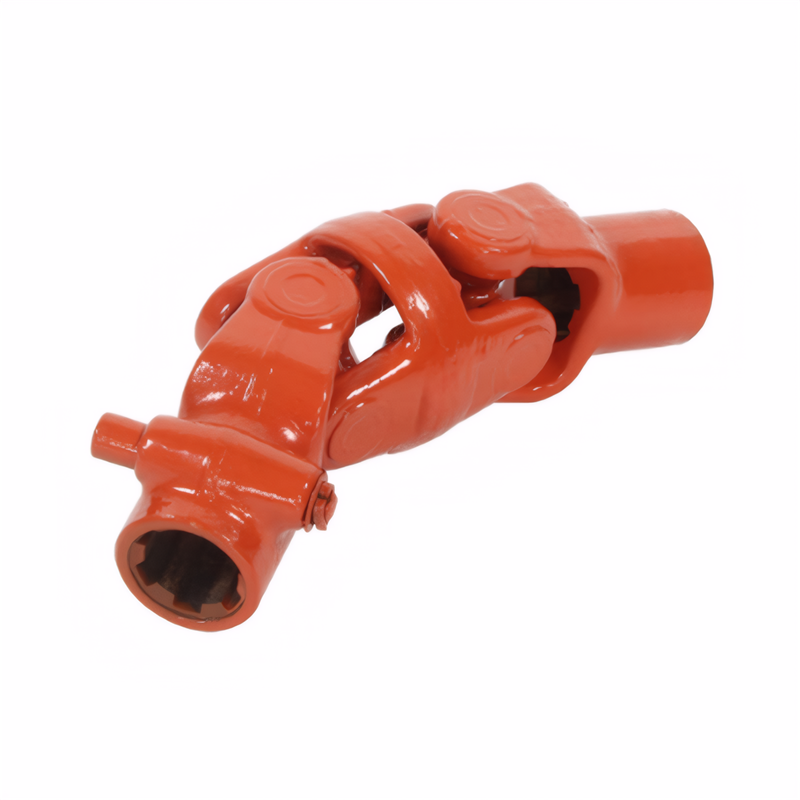 Transmission shaft compatibili
Method for detecting the stabi
Transmission shaft compatibili
Method for detecting the stabi