 简体中文
简体中文 English

Challenges and Opportunities in the Drive shaft Industry
Challenges and Opportunities in the Drive Shaft Industry
Technological Innovation Pressures and Material Evolution
The automotive industry's shift toward electrification and lightweighting is reshaping drive shaft design requirements. Traditional steel components face competition from advanced materials such as carbon fiber composites and high-strength aluminum alloys. These alternatives reduce vehicle weight by up to 40%, directly improving EV range and acceleration. However, their adoption introduces manufacturing complexities. Carbon fiber winding processes, for instance, require precise temperature control and resin infiltration techniques to achieve optimal fiber alignment.
Composite drive shafts also demand new quality assurance methods. Non-destructive testing systems using ultrasonic waves and X-ray computed tomography have become essential for detecting voids or delamination in layered structures. Meanwhile, hybrid metal-polymer designs are emerging to balance cost and performance, though they necessitate dual-material joining technologies like adhesive bonding and mechanical interlocking.
Supply Chain Volatility and Geopolitical Risks
Global trade tensions and raw material shortages are disrupting drive shaft production. Steel price fluctuations, exacerbated by regional protectionist policies, have increased manufacturing costs by 18-25% in some markets. Rare earth elements used in electric motor components further complicate sourcing strategies, as 80% of global supply is concentrated in three countries.
Logistics challenges compound these issues. Container shipping rates surged by 300% during recent geopolitical conflicts, delaying component deliveries and forcing manufacturers to maintain higher inventory levels. Some companies have responded by localizing supply chains, with 62% of Asian drive shaft producers now sourcing over 70% of materials domestically.
Environmental Regulations and Circular Economy Demands
Stringent emissions standards are driving sustainability initiatives across the drive shaft lifecycle. The EU's End-of-Life Vehicles Directive mandates 95% material recovery rates, pushing manufacturers to adopt closed-loop production models. Recycled carbon fiber from decommissioned aircraft components, for example, is being repurposed for automotive drive shafts, reducing virgin material consumption by 35%.
Water-based coatings and dry machining processes are replacing solvent-based finishes and coolants, cutting hazardous waste generation by 90%. These changes align with corporate ESG goals, as 78% of drive shaft producers now report sustainability metrics to stakeholders. Additionally, modular drive shaft designs enable component reuse across vehicle platforms, extending product lifespans by 10-15 years.
Market Diversification and Customization Trends
The rise of autonomous vehicles and shared mobility services is creating niche demand for specialized drive shafts. Robotic taxis require drive shafts with redundant sensors for real-time health monitoring, while agricultural machinery manufacturers seek spline-free designs for easier field maintenance. These applications demand flexible manufacturing systems capable of producing low-volume, high-complexity components.
Digital twin technology is addressing this need by enabling virtual prototyping and production line simulation. AI-driven design optimization reduces development cycles by 40%, allowing rapid adaptation to evolving customer requirements. In the aftermarket, 3D-printed drive shaft components are gaining traction for classic car restoration, though regulatory approval remains a barrier in most regions.
Competitive Intensity and Industry Consolidation
Market entry barriers are rising as automation transforms production economics. CNC machining centers with AI-powered quality control systems now operate at 30% lower cost per unit than traditional methods. This efficiency gap is driving consolidation, with the top five drive shaft manufacturers increasing their global market share from 48% to 61% since 2020.
Startups are carving out niches through disruptive technologies. Magnetic coupling systems that eliminate physical contact between rotating components are reducing maintenance needs by 75% in industrial applications. Meanwhile, blockchain-enabled supply chain platforms are improving traceability for conflict-free mineral sourcing, appealing to socially conscious automakers.
The drive shaft industry stands at a crossroads where technological disruption, regulatory pressure, and evolving market demands are reshaping competitive dynamics. Companies that successfully integrate advanced materials, sustainable practices, and digital manufacturing capabilities will define the next era of automotive propulsion systems.
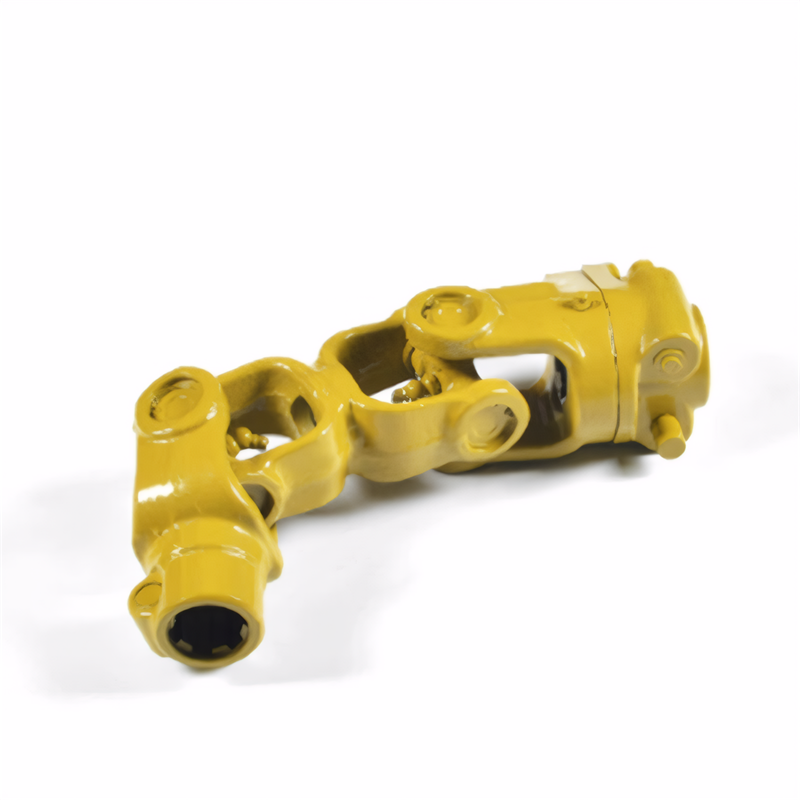 Transmission shaft medical equ
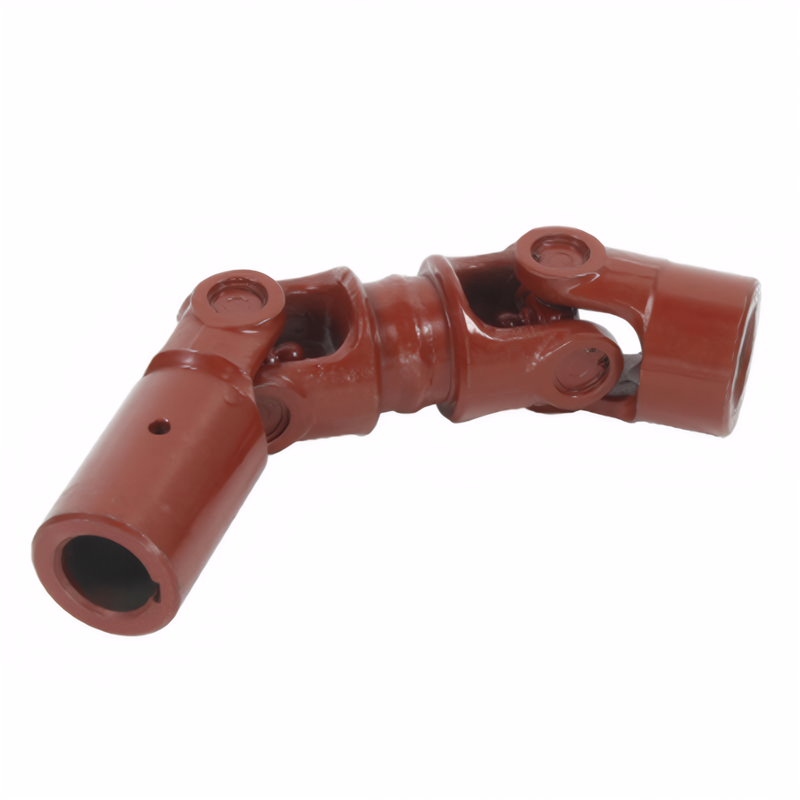 Transmission shaft safety prot
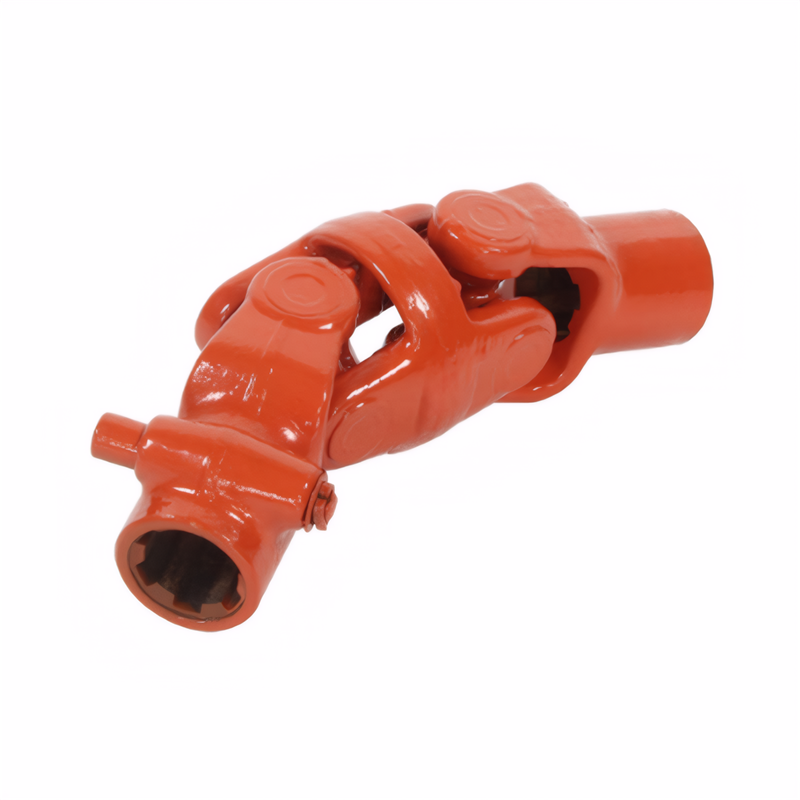 Transmission shaft compatibili
Method for detecting the stabi
Transmission shaft compatibili
Method for detecting the stabi