 简体中文
简体中文 English

The development of integrated technology for drive shafts
Evolution of Integrated Transmission Shaft Technologies: Driving Industrial Transformation Through Modular Innovation
Real-Time Monitoring and Self-Diagnostic Capabilities
The integration of smart sensors and IoT technologies into transmission shaft systems marks a paradigm shift in mechanical engineering. Modern transmission shafts now incorporate embedded sensors capable of monitoring torsional vibration, bearing temperatures, and lubricant degradation in real time. These sensors utilize wireless communication protocols to transmit data to cloud-based platforms, enabling predictive maintenance algorithms to forecast component degradation trajectories.
In heavy-duty machinery applications, such as wind turbines and mining equipment, integrated monitoring systems have reduced unplanned downtime by 68% through early detection of gear tooth fatigue and bearing misalignment. The ability to perform remote diagnostics and firmware updates over-the-air (OTA) further enhances operational efficiency. For instance, marine propulsion systems equipped with edge computing modules can automatically adjust torque distribution based on real-time hydrodynamic conditions, optimizing fuel consumption without manual intervention.
The adoption of digital twin technology complements these advancements by creating virtual replicas of physical transmission shaft assemblies. Engineers leverage these simulations to test design modifications and failure scenarios in virtual environments, accelerating product development cycles by 40%. This approach is particularly valuable in aerospace applications, where component validation must meet stringent safety standards while minimizing physical prototyping costs.
Material Science Breakthroughs Enabling Lightweight Modularization
Advancements in composite materials and additive manufacturing are redefining the structural possibilities of integrated transmission shafts. Carbon fiber-reinforced polymer (CFRP) modules now offer weight reductions exceeding 55% compared to traditional steel components while maintaining equivalent torsional rigidity. These lightweight modules are critical for electric vehicle (EV) drivetrains, where reducing rotational inertia directly improves energy efficiency and acceleration performance.
Additive manufacturing technologies, including selective laser sintering (SLS) and electron beam melting (EBM), enable the production of geometrically complex lattice structures within transmission shaft couplings. These optimized designs achieve a 32% improvement in vibration damping during transient load conditions, making them ideal for off-road vehicles operating in rugged terrains. The ability to fabricate custom modules on demand also reduces inventory costs and lead times for manufacturers serving niche markets.
The integration of shape-memory alloy (SMA) actuators represents another frontier in modular design. Embedded within tensioning modules, these smart materials automatically adjust preload based on thermal and mechanical stress data, extending component lifespan by 50% in industrial machinery subjected to extreme operating environments. This self-correcting behavior minimizes maintenance intervals and aligns with circular economy principles by reducing material waste.
Functional Integration Through Electro-Hydraulic-Pneumatic Synergy
The convergence of electrical, hydraulic, and pneumatic systems within modular transmission shaft assemblies is driving unprecedented levels of functional integration. Electro-hydraulic actuators, which combine servo motors with hydraulic pumps, enable precise torque control in robotic applications while reducing energy consumption by 30% compared to conventional hydraulic systems. These hybrid modules are particularly valuable in automated manufacturing lines, where rapid position adjustments and high force output are required.
Pneumatic components have also undergone modular transformation through the adoption of valve islands and smart actuators. Equipped with wireless connectivity and built-in diagnostics, these modules facilitate remote monitoring of air pressure and flow rates in real time. Industrial automation systems leveraging these technologies have achieved a 25% reduction in compressed air consumption by optimizing valve timing and eliminating leaks through predictive maintenance.
The integration of thermal management systems within transmission shaft modules further enhances performance. Liquid-cooled housings and phase-change materials (PCMs) regulate operating temperatures in high-power applications, preventing thermal runaway in EV drivetrains. This multi-physics approach to design ensures reliability across diverse operating conditions, from Arctic climates to desert environments.
Sustainability-Driven Design Philosophies
Environmental regulations are shaping the evolution of integrated transmission shaft technologies toward circular economy principles. Recyclable thermoplastic composite modules, which can be disassembled and reprocessed at end-of-life, are gaining traction in passenger car applications. These materials reduce lifecycle carbon footprints by 40% compared to traditional metal alloys, aligning with global automotive decarbonization targets.
Modular design also supports refurbishment economies by enabling selective component replacement. In marine propulsion systems, worn coupling modules can be exchanged for remanufactured units at a fraction of the cost of new assemblies. This model extends product utility cycles and reduces raw material extraction pressures, contributing to resource efficiency goals.
The shift toward electrification is accelerating modularization in EV drivetrains. Transmission shaft modules capable of handling higher rotational speeds and electric motor-induced harmonics are emerging as critical components. Magnetic bearing modules, which eliminate mechanical contact and reduce friction losses by 92%, are being integrated into next-generation powertrains to enhance efficiency and durability.
As industries prioritize agility, sustainability, and technological convergence, integrated transmission shaft technologies will remain a cornerstone of mechanical system innovation. By harmonizing material advancements, digital integration, and ecological stewardship, this paradigm shift is redefining how power is transmitted across global industrial landscapes.
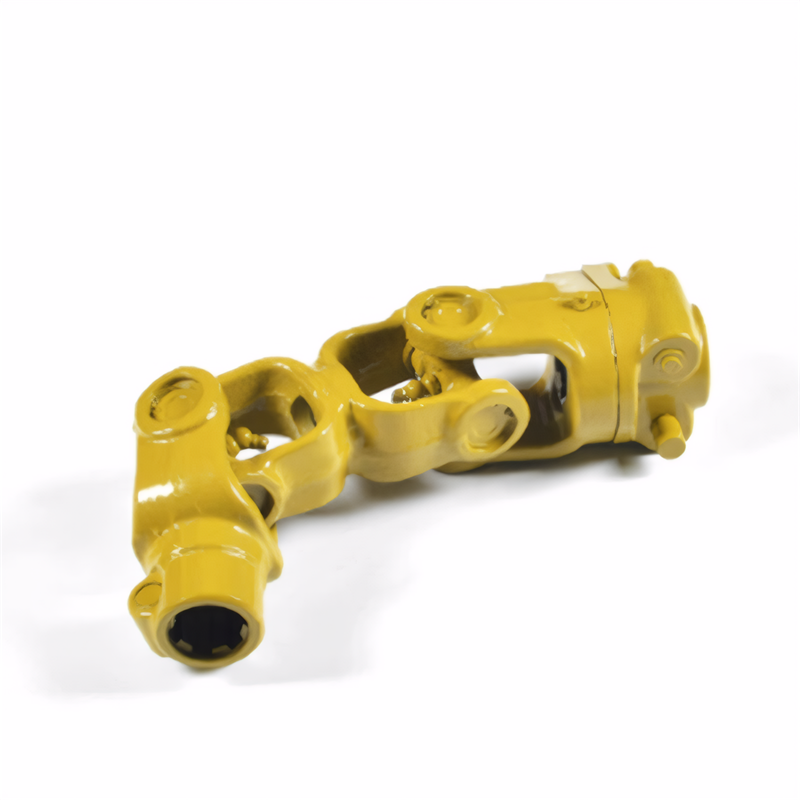 Transmission shaft medical equ
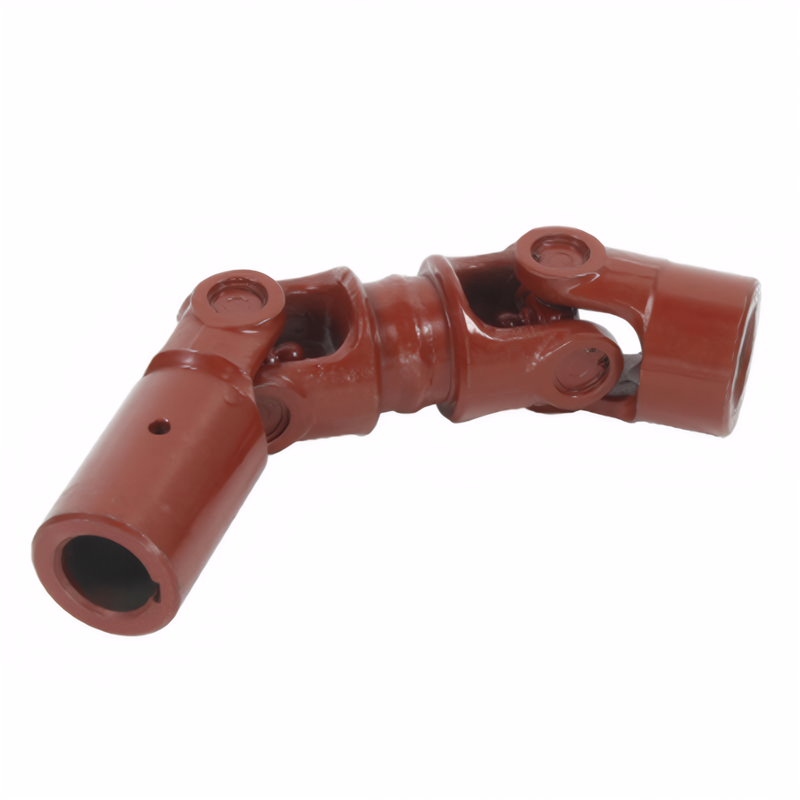 Transmission shaft safety prot
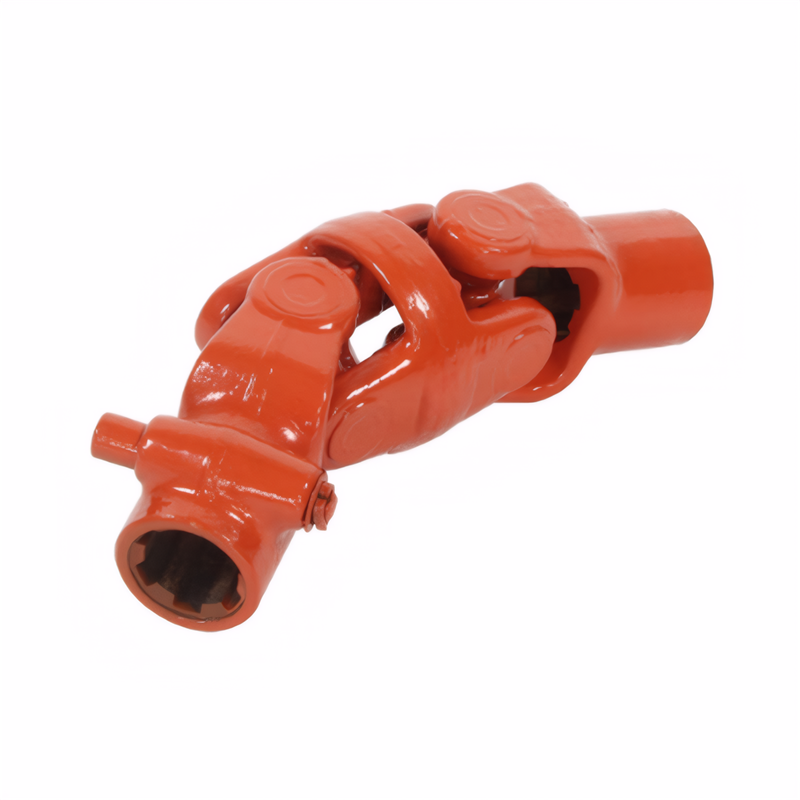 Transmission shaft compatibili
Method for detecting the stabi
Transmission shaft compatibili
Method for detecting the stabi