 简体中文
简体中文 English

The development trend of lightweight drive shafts
Evolution of Lightweight Drive Shaft Technologies: Trends and Innovations
The automotive industry's push for efficiency and sustainability has accelerated the adoption of lightweight drive shafts, transforming their design, materials, and manufacturing processes. As vehicles demand higher power transmission with reduced energy consumption, drive shafts have emerged as critical components for achieving weight reduction without compromising performance.
Material Innovation: From Metals to Composites
The transition from traditional steel to advanced materials marks a pivotal shift in drive shaft engineering. High-strength aluminum alloys, with densities 30% lower than steel, have become mainstream for mid-range vehicles. These alloys reduce rotational inertia by up to 50%, enhancing acceleration and fuel efficiency. For instance, commercial trucks adopting aluminum drive shafts report a 3–5% improvement in fuel economy due to reduced engine load.
Carbon fiber composites (CFRP) represent the next frontier. With a strength-to-weight ratio 5–7 times higher than steel, CFRP drive shafts enable up to 65% weight savings. While primarily used in high-performance and electric vehicles (EVs), their adoption is expanding to mainstream markets. A 2024 study revealed that CFRP drive shafts in EVs reduce overall vehicle weight by 8–10%, extending range by 6–8% under real-world driving conditions.
Magnesium alloys, though less common, are gaining traction for their superior damping properties. When paired with aluminum in hybrid designs, they reduce vibration by 20–30%, enhancing driver comfort and component longevity.
Structural Optimization: Hollow Designs and Topology
Hollow drive shafts, enabled by advanced forming technologies like multi-edge forging, are redefining structural efficiency. By replacing solid steel with precision-engineered hollow tubes, manufacturers achieve 30–40% weight reductions while maintaining torsional rigidity. This design is particularly advantageous in EVs, where compact powertrains demand space-saving solutions.
Topology optimization, driven by AI and finite element analysis (FEA), is revolutionizing drive shaft geometry. By simulating stress distribution under dynamic loads, engineers eliminate redundant material in non-critical areas. For example, a 2025 research project demonstrated that topology-optimized drive shafts reduce mass by 22% without compromising safety margins, achieving a 15% improvement in critical speed thresholds.
Manufacturing Advancements: Precision and Sustainability
Cold-rolling and friction-stir welding (FSW) technologies are reshaping production lines. Cold-rolled splines reduce material waste by 40% compared to traditional machining, while FSW creates stronger, lighter joints than fusion welding. These methods align with global sustainability goals, cutting energy consumption in manufacturing by 25–30%.
Additive manufacturing (3D printing) is emerging for prototyping and low-volume production. By layering materials like titanium-aluminum alloys, 3D printing enables complex internal geometries impossible with conventional methods. Early adopters report a 50% reduction in development cycles for custom drive shafts, though cost remains a barrier for mass production.
Integration with Electric and Hybrid Powertrains
The rise of EVs and hybrids has spurred drive shaft innovations tailored to electric motors. High-speed electric drives require drive shafts with critical speeds exceeding 15,000 RPM, necessitating materials like CFRP and ceramic-coated alloys to prevent resonance. Additionally, integrated motor-drive shaft units reduce packaging complexity, saving 10–15% in space and weight.
For hybrid vehicles, dual-mode drive shafts adapt to both electric and internal combustion power sources. These systems use electromagnetic clutches to disengage the ICE-driven shaft during electric operation, eliminating drag losses and improving efficiency by 5–8%.
Challenges and Future Directions
Despite progress, challenges persist. CFRP's high cost limits its use to premium segments, while magnesium's susceptibility to corrosion demands protective coatings. Regulatory pressures for recyclability are also pushing manufacturers to adopt closed-loop material recovery systems.
Looking ahead, research focuses on bio-based composites and self-healing polymers to reduce environmental impact. AI-driven design platforms promise to accelerate innovation, enabling real-time optimization of drive shafts for emerging vehicle architectures like flying cars and autonomous pods.
The lightweight drive shaft revolution is reshaping automotive performance, efficiency, and sustainability. As materials science and manufacturing evolve, these components will play an increasingly vital role in the transition to a greener, more efficient mobility future.
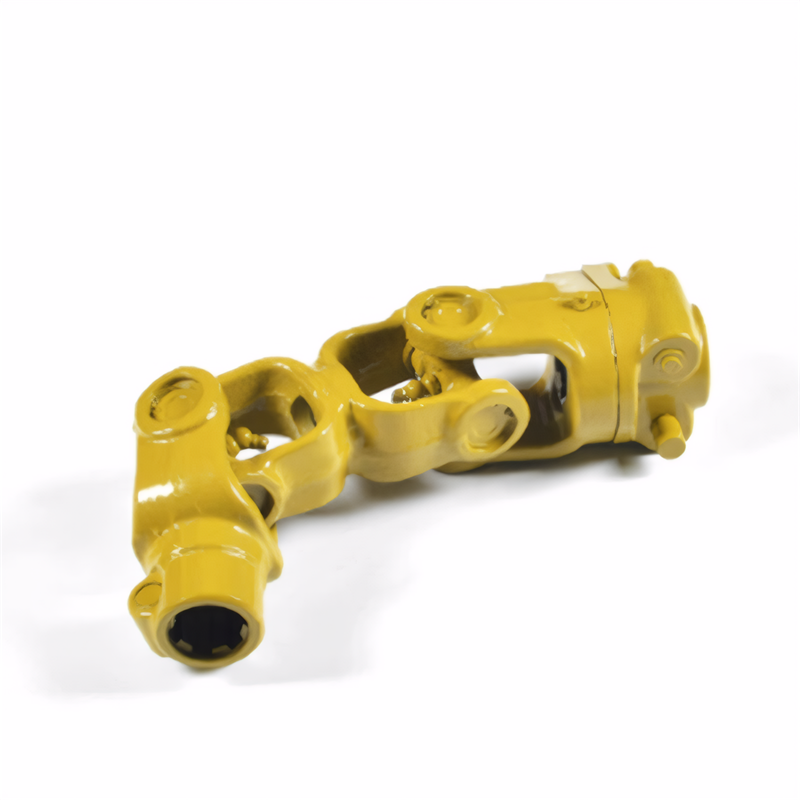 Transmission shaft medical equ
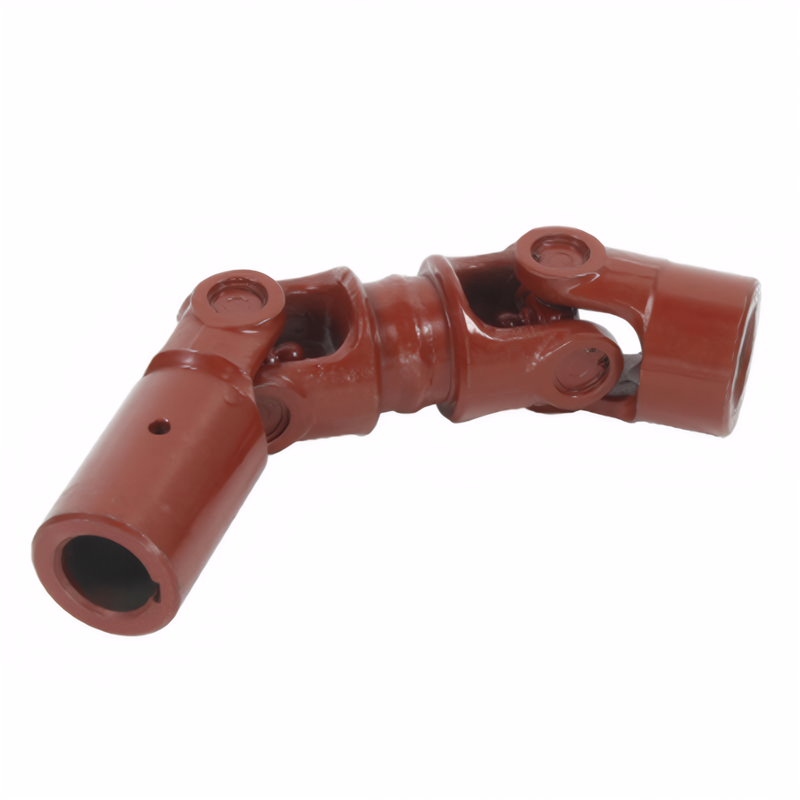 Transmission shaft safety prot
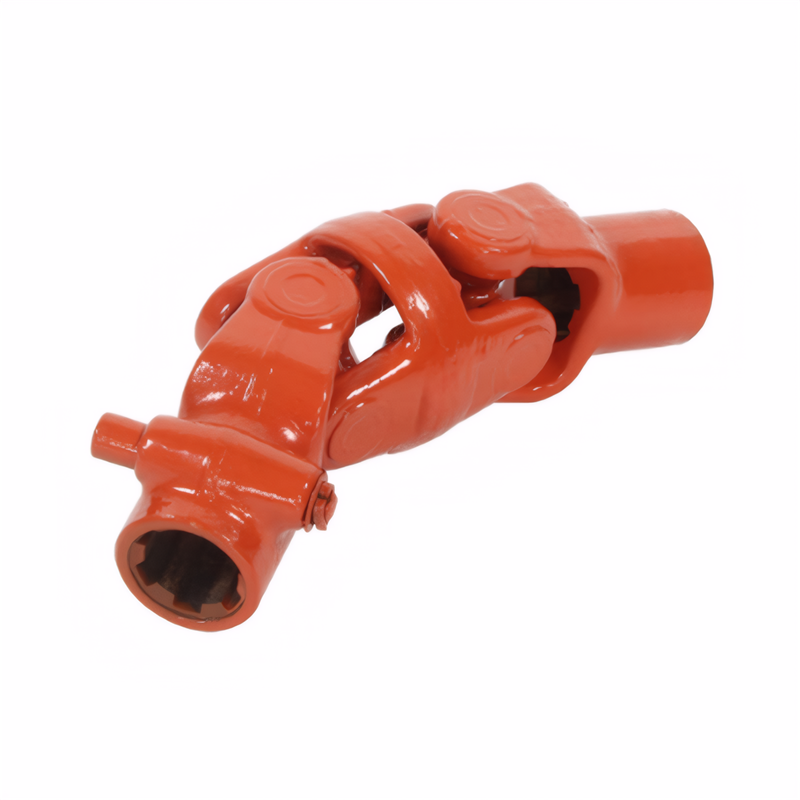 Transmission shaft compatibili
Method for detecting the stabi
Transmission shaft compatibili
Method for detecting the stabi