 简体中文
简体中文 English

List of inspection items for the transmission shaft during factory production
Comprehensive Outgoing Inspection Checklist for Drive Shafts
Dimensional and Geometric Tolerance Verification
Drive shafts must adhere to precise dimensional specifications to ensure compatibility with mating components. Key measurements include axial length, outer diameter, and keyway dimensions, with tolerances typically controlled within IT6-IT7 grades for critical diameters. For example, automotive drive shafts often require length deviations not exceeding ±1mm to prevent installation issues.
Geometric tolerances such as coaxiality and roundness are equally critical. High-speed applications demand coaxiality errors below 0.05mm to minimize vibration-induced wear. Roundness deviations beyond 0.005mm may cause uneven load distribution, accelerating component fatigue. Laser alignment systems or coordinate measuring machines are commonly employed for these inspections, offering sub-micron accuracy in industrial settings.
Surface straightness is another vital parameter, particularly for long-span shafts used in marine or heavy machinery. Straightness errors exceeding 0.5mm per meter can induce bending stresses during operation, compromising structural integrity. Optical measurement tools with resolution capabilities down to 0.001mm are utilized to detect subtle deviations in axial alignment.
Material Property and Structural Integrity Assessment
Material composition verification ensures compliance with design specifications through spectral analysis techniques. Steel alloys used in drive shafts must maintain specific carbon and chromium content to achieve desired hardness and corrosion resistance. For instance, a typical automotive drive shaft requires surface hardness between HRC28-32 to balance wear resistance with impact toughness.
Microstructural examination via metallographic analysis reveals potential defects such as non-metallic inclusions or improper heat treatment. Grain size uniformity directly impacts fatigue performance, with ASTM E112 standards often referenced for grain size classification. Shafts exhibiting abnormal grain growth or segregation patterns are flagged for rejection to prevent premature failure under cyclic loading.
Non-destructive testing methods play a crucial role in detecting internal flaws invisible to the naked eye. Ultrasonic testing with 0.5-15MHz frequency probes can identify subsurface cracks as small as φ2mm in diameter. Magnetic particle inspection, using high-sensitivity A1-type test pieces, reveals surface-breaking defects in ferromagnetic materials, while dye penetrant testing detects fine cracks in non-porous surfaces.
Dynamic Performance and Functional Testing Protocols
Rotational balance testing evaluates vibration characteristics under operating conditions. ISO 1940-1 standards classify balance grades, with automotive drive shafts typically requiring G6.3 or higher precision. Unbalance measurements below 0.1g·mm/kg ensure smooth operation at rated speeds, preventing excessive bearing wear or resonance-induced failures.
Fatigue resistance is validated through accelerated life testing that simulates millions of load cycles. High-cycle fatigue tests apply sinusoidal torque inputs to assess crack initiation and propagation behavior. A heavy-duty truck drive shaft, for example, might undergo 500,000 cycles at 120% of nominal torque to verify its 10-year service life expectation.
Functional testing verifies assembly integrity and operational reliability. For telescopic drive shafts, axial sliding resistance must remain below 50N to ensure smooth length adjustment during vehicle suspension movement. Universal joint angular play should not exceed 0.5° to maintain precise power transmission. These parameters are measured using specialized fixtures that replicate real-world loading conditions.
Environmental Adaptability and Surface Protection Evaluation
Corrosion resistance testing exposes samples to salt spray chambers per ASTM B117 standards, simulating 1,000+ hours of coastal environment exposure. Coating thickness measurements using magnetic induction or eddy current methods ensure minimum 20μm coverage for effective barrier protection. Adhesion tests, such as cross-cut tape evaluation per ISO 2409, verify coating durability against mechanical abrasion.
Temperature extremes testing assesses material behavior across operational ranges. Cryogenic chambers evaluate brittleness at -40°C, while high-temperature ovens test dimensional stability up to 200°C. Thermal cycling between these limits confirms the absence of permanent deformation or coating degradation, which could compromise sealing performance in extreme climates.
Lubrication effectiveness is verified through tribological testing that measures friction coefficients under boundary lubrication conditions. Shafts operating in dusty environments undergo particle ingress simulations to validate sealing system integrity. These tests ensure reliable performance in mining equipment or agricultural machinery exposed to abrasive contaminants.
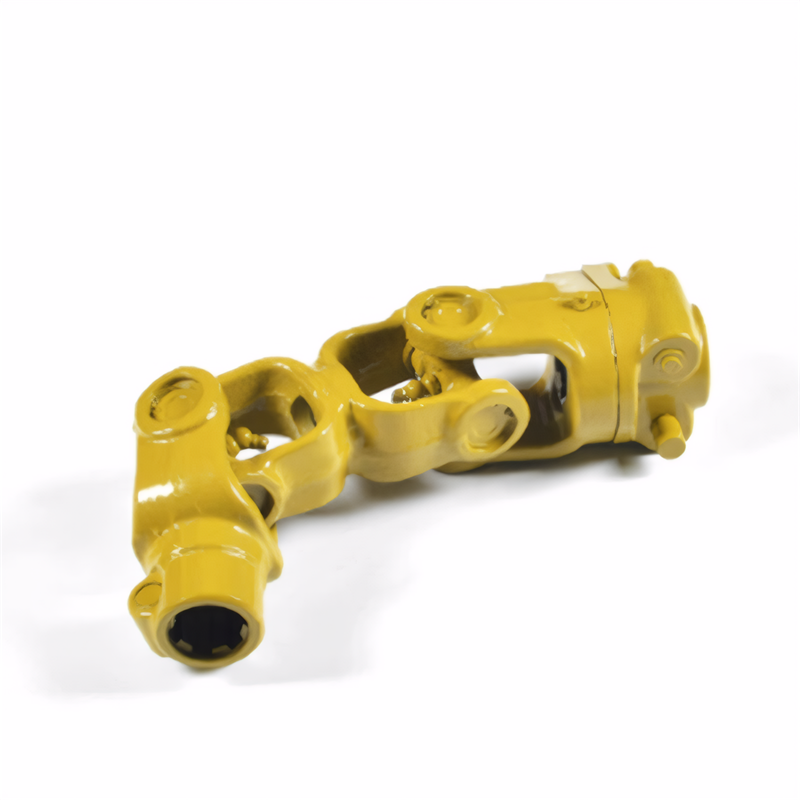 Transmission shaft safety perf
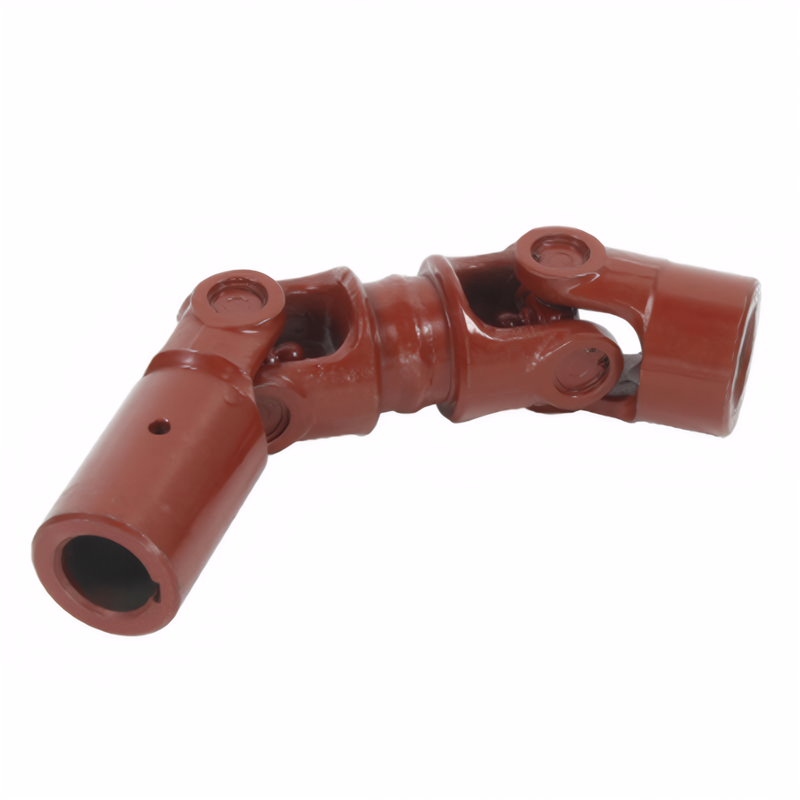 Transmission shaft life test s
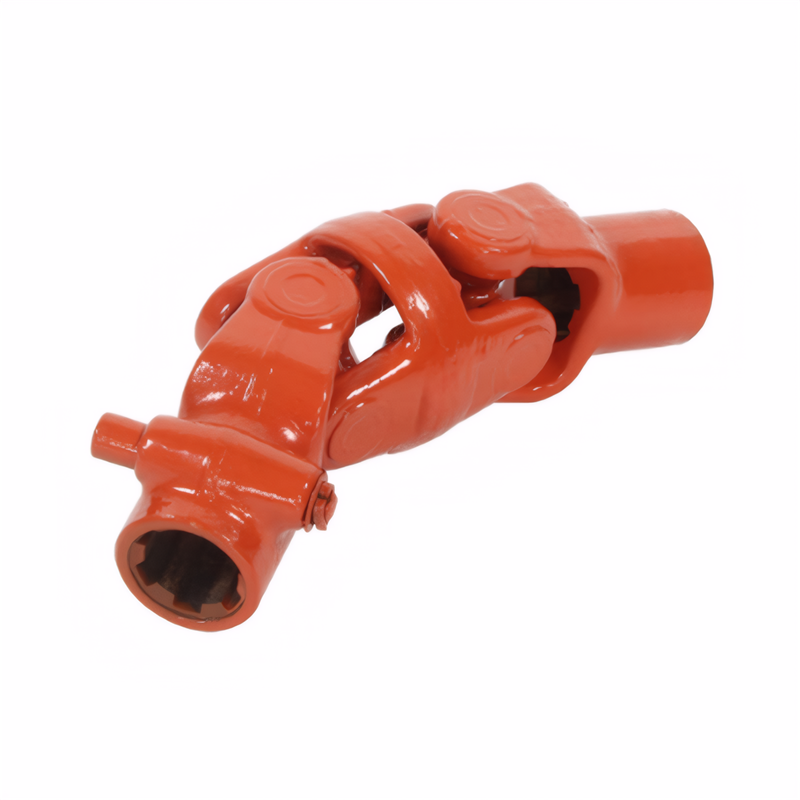 Test requirements for transmis
Standard for batch inspection
Test requirements for transmis
Standard for batch inspection