 简体中文
简体中文 English

International standard certification requirements for drive shafts
International Standard Certification Requirements for Drive Shafts
Overview of Drive Shaft Certification Standards
Drive shafts, as critical components in mechanical transmission systems, must adhere to stringent international standards to ensure safety, reliability, and environmental compliance. These standards cover material properties, mechanical performance, electromagnetic compatibility, and environmental adaptability. Understanding these requirements is essential for manufacturers aiming to enter global markets.
Key Certification Directives and Standards
Mechanical Safety Directives
The Machinery Directive (2006/42/EC) is a cornerstone for drive shaft certification in the European Union. It mandates that products undergo risk assessments to eliminate hazards during design, manufacturing, and operation. For drive shafts, this includes evaluating bending and torsional strength to prevent fatigue failures under high-load conditions. For instance, agricultural machinery drive shafts must comply with EN 12965:2019, which specifies safety requirements for power take-off (PTO) shafts, including guard designs to mitigate risks from misuse or accidental contact.
Electrical and Electromagnetic Standards
Drive shafts integrated with electrical systems, such as those in hybrid or electric vehicles, must meet the Low Voltage Directive (2014/35/EU). This ensures electrical safety by limiting voltage levels and preventing insulation failures. Additionally, the Electromagnetic Compatibility Directive (2014/30/EU) requires drive shafts to minimize electromagnetic interference (EMI) that could disrupt vehicle electronics. Testing involves verifying that EMI levels remain within acceptable limits during operation.
Environmental and Chemical Compliance
Materials used in drive shafts must comply with regulations like REACH (Registration, Evaluation, Authorisation, and Restriction of Chemicals), which restricts hazardous substances such as lead, mercury, and cadmium. Manufacturers must provide chemical composition analyses to demonstrate adherence to these limits. For example, steel alloys used in drive shafts must avoid prohibited additives while maintaining mechanical properties like hardness (HRC 28–32 for common grades) and tensile strength.
Testing Protocols for Certification
Mechanical Performance Testing
Drive shafts undergo rigorous mechanical testing to validate their durability. Static torsion tests measure the maximum torque a shaft can withstand before yielding, while torsional fatigue tests simulate cyclic loading to assess lifespan under real-world conditions. Standards like ISO 13259 and SAE J1406 outline procedures for these tests, specifying parameters such as load cycles and failure criteria. For agricultural machinery, EN 12965:2019 includes additional requirements for PTO shafts, such as guard strength testing to resist impact forces.
Dimensional and Geometric Tolerance Checks
Precision in manufacturing is critical for drive shaft performance. ISO 286-1/2 defines size tolerances for shaft diameters, ensuring compatibility with mating components like bearings and couplings. ISO 1101 governs geometric tolerances, such as straightness and roundness, to minimize vibration and noise. For example, high-speed drive shafts may require straightness errors below 0.05 mm/m to maintain balance during rotation.
Environmental Adaptability Assessments
Drive shafts operating in harsh environments must demonstrate resilience to corrosion, temperature extremes, and humidity. Salt spray tests (e.g., ISO 9227) evaluate corrosion resistance by exposing samples to salt-laden fog for extended periods. ISO 16750-4 addresses durability under temperature shocks, such as sudden transitions from -40°C to 85°C, which are common in automotive applications. Manufacturers must provide evidence that materials and coatings retain their properties under these conditions.
Certification Process and Documentation
Initial Application and Sample Submission
The certification process begins with submitting an application to an accredited body, accompanied by technical documentation detailing design specifications, material certificates, and manufacturing processes. Samples representative of the production batch are then sent for testing. For example, automotive drive shafts may require 18 units per model for comprehensive evaluation, including static, dynamic, and fatigue tests.
Factory Inspections and Compliance Audits
Certification authorities conduct on-site inspections to verify that production facilities adhere to quality management systems like ISO 9001. Inspectors review processes for material handling, assembly, and testing to ensure consistency with certified designs. Any deviations, such as unauthorized material substitutions, may result in certification revocation.
Labeling and Market Access
Upon successful completion of testing and audits, manufacturers receive certification marks (e.g., CE for EU markets) that must be affixed to products. These marks indicate compliance with all relevant directives and standards, enabling legal sale in target regions. For instance, a drive shaft bearing the CE mark can be exported to any EU member state without additional local approvals.
By adhering to these international standards and certification processes, manufacturers can ensure their drive shafts meet global safety, performance, and environmental expectations, fostering trust among customers and regulators alike.
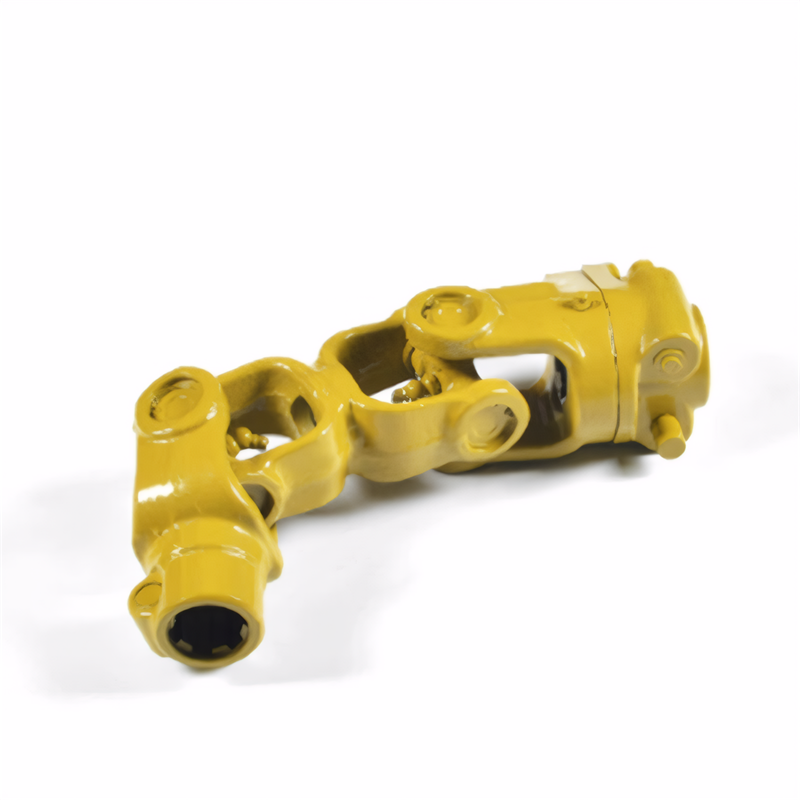 Transmission shaft safety perf
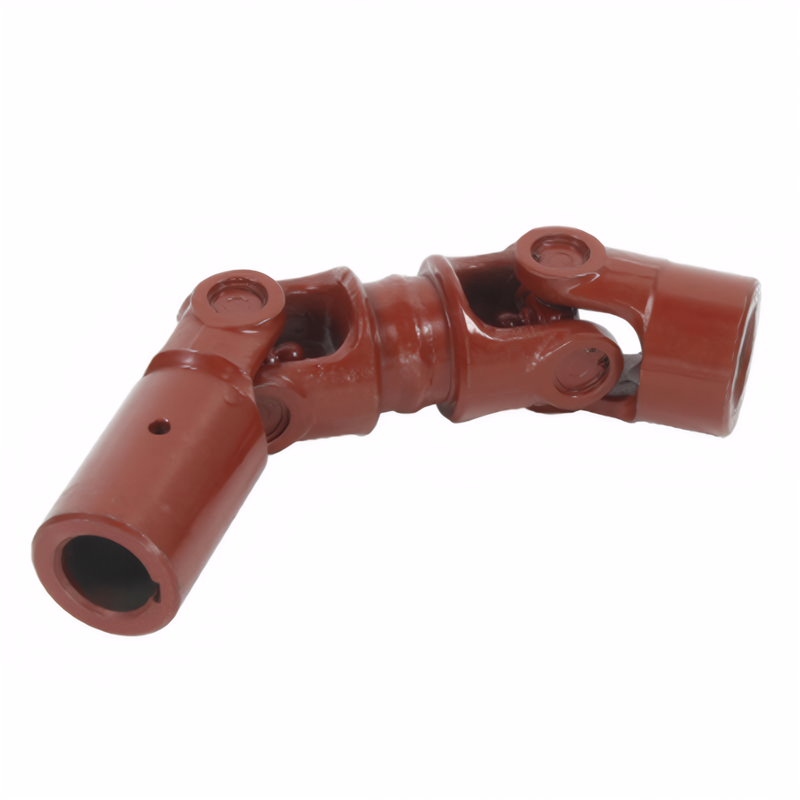 Transmission shaft life test s
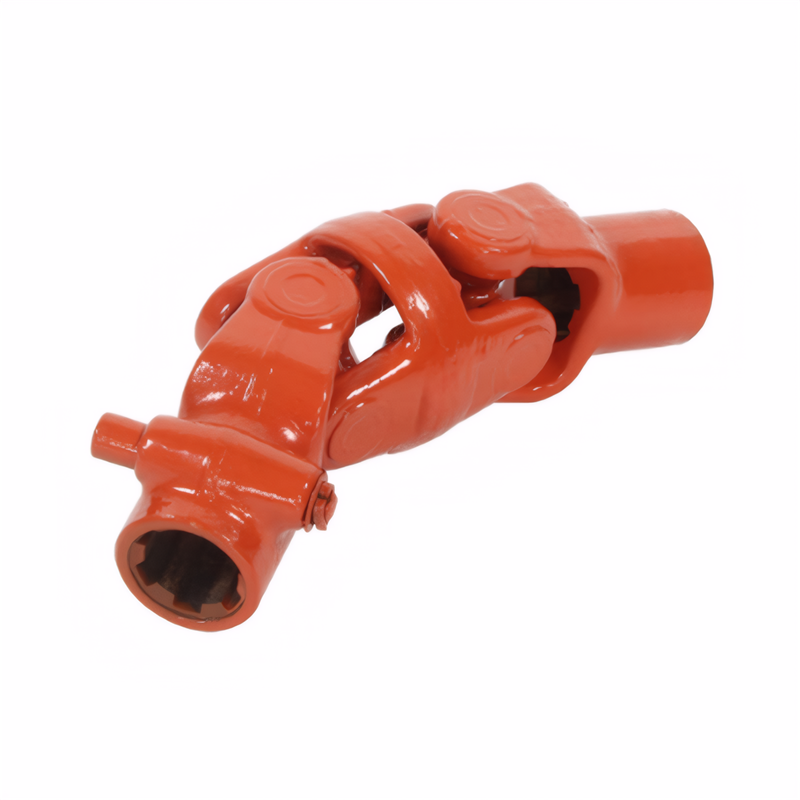 Test requirements for transmis
Standard for batch inspection
Test requirements for transmis
Standard for batch inspection