 简体中文
简体中文 English

Requirements for impact toughness of the transmission shaft material
Impact Toughness Requirements for Drive Shaft Materials: Key Considerations and Industry Practices
Understanding the Role of Impact Toughness in Drive Shaft Performance
Drive shafts operate under dynamic conditions where sudden loads, vibrations, and torsional stresses are common. Impact toughness, a material’s ability to absorb energy during fracture under high-strain-rate loading, is critical for preventing catastrophic failures. Unlike static strength, which measures resistance to gradual deformation, impact toughness evaluates how well a material withstands sudden impacts or shocks—such as those caused by potholes, gear shifts, or collisions. This property ensures drive shafts remain intact during unexpected events, maintaining vehicle control and passenger safety.
Materials with high impact toughness exhibit ductile fracture behavior, forming plastic deformations before breaking. This contrasts with brittle materials, which fracture abruptly with minimal energy absorption, posing severe safety risks. For automotive applications, drive shafts must balance toughness with other properties like fatigue resistance and weight efficiency, making material selection a complex engineering challenge.
Factors Influencing Impact Toughness Requirements
Operating Environment and Load Conditions
Drive shafts in off-road vehicles, for example, face harsher conditions than those in passenger cars. Off-road models endure repeated impacts from uneven terrain, requiring materials with superior toughness to resist cracking under cyclic shock loads. Similarly, heavy-duty trucks transporting large payloads experience higher torsional stresses during acceleration and braking, necessitating materials that can absorb sudden energy spikes without failure.
Temperature also plays a significant role. At low temperatures, metals become brittle, reducing their impact toughness. For regions with extreme cold, materials must retain ductility to avoid brittle fracture during cold starts or icy road conditions. Conversely, high-temperature environments, such as those near engines or exhaust systems, may soften materials, requiring toughness tests at elevated temperatures to ensure reliability.
Material Composition and Microstructure
The chemical composition of a material directly affects its toughness. For instance, adding alloying elements like nickel, chromium, or molybdenum to steel enhances its toughness by refining grain structure and reducing brittleness. Heat treatment processes, such as quenching and tempering, further optimize toughness by controlling microstructural phases like martensite and bainite.
Microstructural features like grain size, inclusions, and phase distributions also influence toughness. Fine-grained materials generally exhibit higher toughness than coarse-grained ones, as smaller grains impede crack propagation. Similarly, minimizing non-metallic inclusions, which act as stress concentrators, improves toughness. Advanced manufacturing techniques, such as vacuum degassing during steel production, reduce inclusion content, enhancing overall performance.
Design and Manufacturing Considerations
Drive shaft geometry impacts stress distribution, which in turn affects toughness requirements. Components with sharp corners or abrupt changes in cross-section are prone to stress concentrations, necessitating tougher materials or design modifications like fillets and chamfers. Welding and joining processes also influence toughness, as heat-affected zones (HAZs) near welds may become brittle if not properly treated. Post-weld heat treatments, such as stress relieving or tempering, restore toughness in these regions.
Manufacturing defects, such as porosity or cracks, can severely compromise toughness. Non-destructive testing (NDT) methods like ultrasonic inspection or magnetic particle testing detect these flaws early, ensuring only defect-free components enter service. Strict quality control protocols during machining and assembly further minimize risks, aligning with industry standards for safety-critical parts.
Testing Methods for Evaluating Impact Toughness
Charpy Impact Test
The Charpy impact test is a widely used method for measuring a material’s energy absorption capacity during fracture. A notched specimen is struck by a pendulum hammer, and the energy absorbed to break the specimen is recorded. Tests are conducted at various temperatures to assess toughness across operating ranges. For drive shaft materials, Charpy results help determine the ductile-to-brittle transition temperature (DBTT), ensuring the material remains tough at the lowest expected service temperature.
Drop Weight Test
The drop weight test evaluates toughness under higher strain rates, simulating real-world impact scenarios like collisions or sudden road obstacles. A weighted hammer is dropped onto a specimen, and the energy required to cause fracture is measured. This test is particularly relevant for drive shafts in vehicles prone to high-impact events, such as military or construction equipment.
Instrumented Impact Testing
Advanced instrumented impact tests use sensors to measure force and displacement during fracture, providing detailed load-deflection curves. These curves reveal not only total energy absorption but also the material’s behavior during different stages of fracture, such as crack initiation and propagation. This data helps engineers optimize material selection and design for specific toughness requirements.
Industry Standards and Compliance for Impact Toughness
Global automotive standards, such as ISO 148 (Charpy impact test) and ASTM E23 (standard test methods for notched bar impact testing), define protocols for evaluating impact toughness. These norms specify specimen dimensions, testing temperatures, and reporting formats to ensure consistency across laboratories and manufacturers. Compliance with these standards is mandatory for drive shaft components in safety-critical applications, as non-conformance may lead to regulatory penalties or product recalls.
Regional variations also exist. For example, European standards like EN 10045 emphasize low-temperature toughness for vehicles operating in cold climates, while American standards like SAE J423 focus on high-strain-rate performance for off-road vehicles. Manufacturers must adhere to the relevant standards based on their target markets, often undergoing third-party certification to validate compliance.
Challenges and Innovations in Impact Toughness Optimization
Balancing Toughness with Other Properties
Drive shaft materials must satisfy multiple requirements, including fatigue resistance, wear resistance, and weight efficiency. Increasing toughness often involves trade-offs, such as reduced hardness or increased weight. Engineers use advanced materials like dual-phase steels, which combine high strength with good toughness, to address these challenges. These steels feature a microstructure of ferrite and martensite, offering a balance of properties suitable for demanding applications.
Lightweighting and High-Strength Alloys
The automotive industry’s push for lightweighting to improve fuel efficiency has led to the adoption of high-strength alloys like aluminum and titanium. While these materials offer weight savings, their toughness at low temperatures or under high loads can be inferior to steel. Research focuses on developing alloy compositions and processing techniques to enhance toughness without sacrificing strength, such as through grain refinement or precipitation hardening.
Additive Manufacturing and Customization
Additive manufacturing (AM) enables the production of complex drive shaft geometries with optimized toughness distribution. By tailoring material composition layer by layer, AM can create components with localized toughness enhancements, such as thicker sections in high-stress areas. This approach reduces weight while maintaining performance, though challenges like residual stresses and porosity in AM parts require careful control.
By prioritizing impact toughness in material selection, design, and testing, the automotive industry ensures drive shafts meet the rigorous demands of modern vehicles, enhancing safety and reliability across diverse operating conditions.
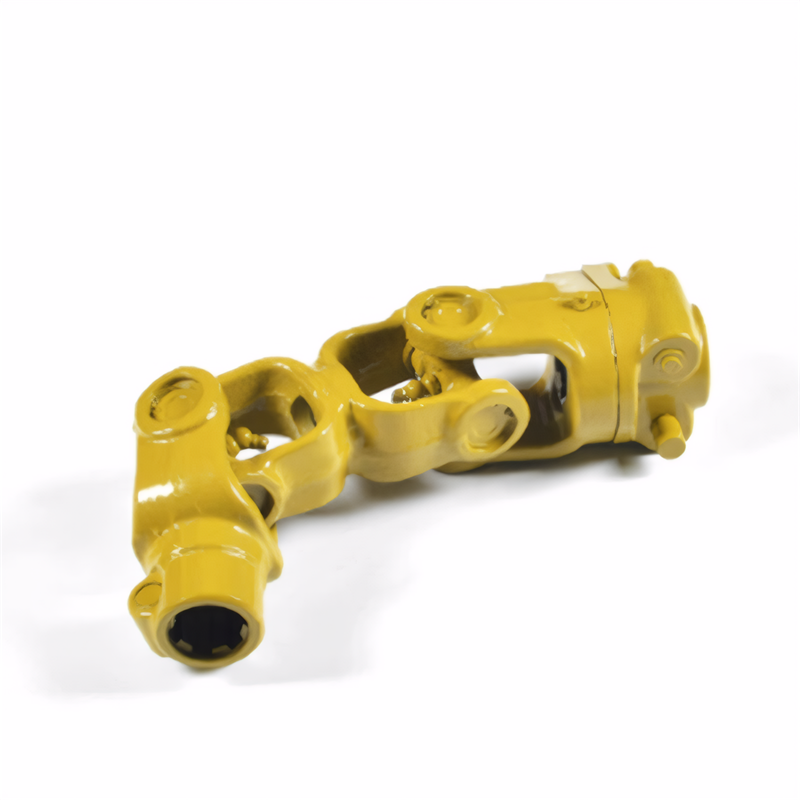 Transmission shaft safety perf
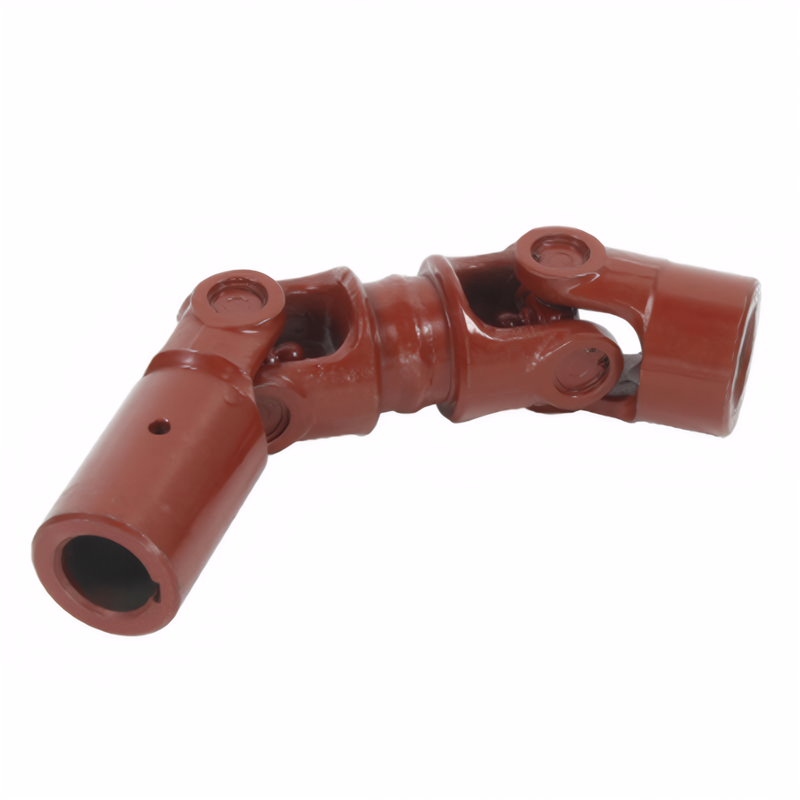 Transmission shaft life test s
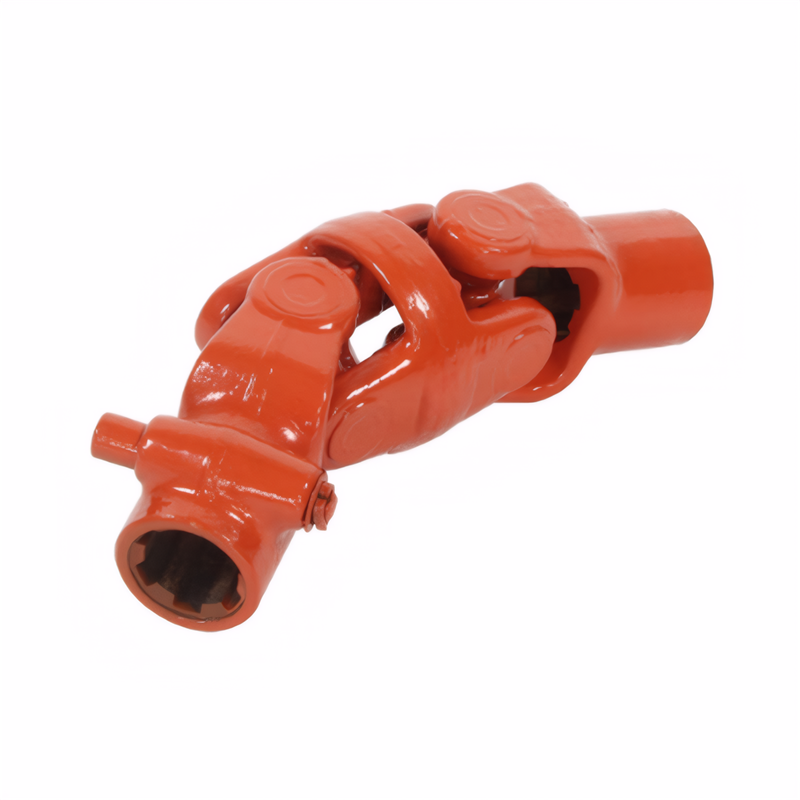 Test requirements for transmis
Standard for batch inspection
Test requirements for transmis
Standard for batch inspection