


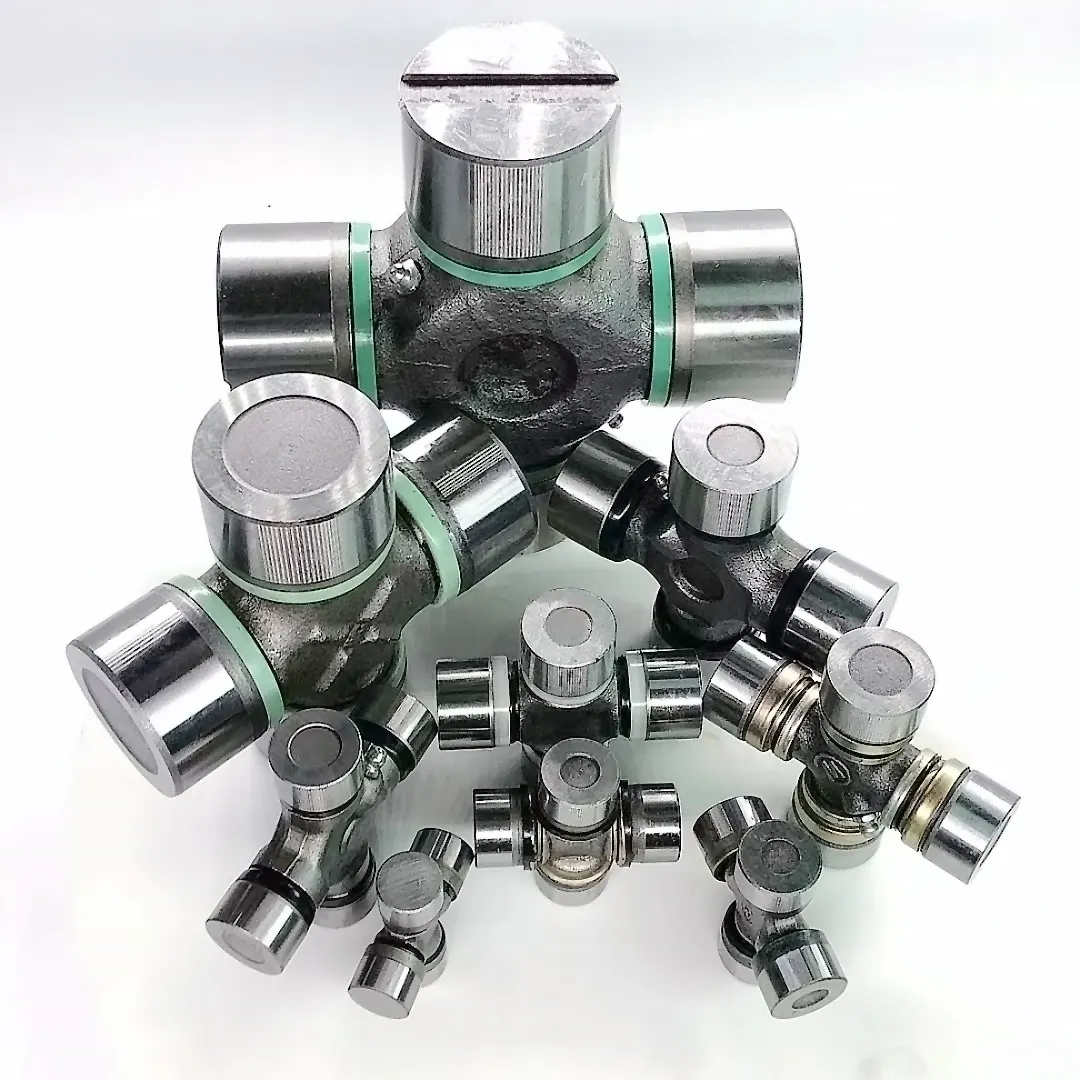
Ever wondered how a car keeps moving even when it hits a bump and the driveshaft has to bend? That’s all thanks to the Universal Joint, or as most people in the shop call it, the U-joint.
In this guide, we’re breaking down what they are, how they work, and why they’re the unsung heroes of the mechanical world.
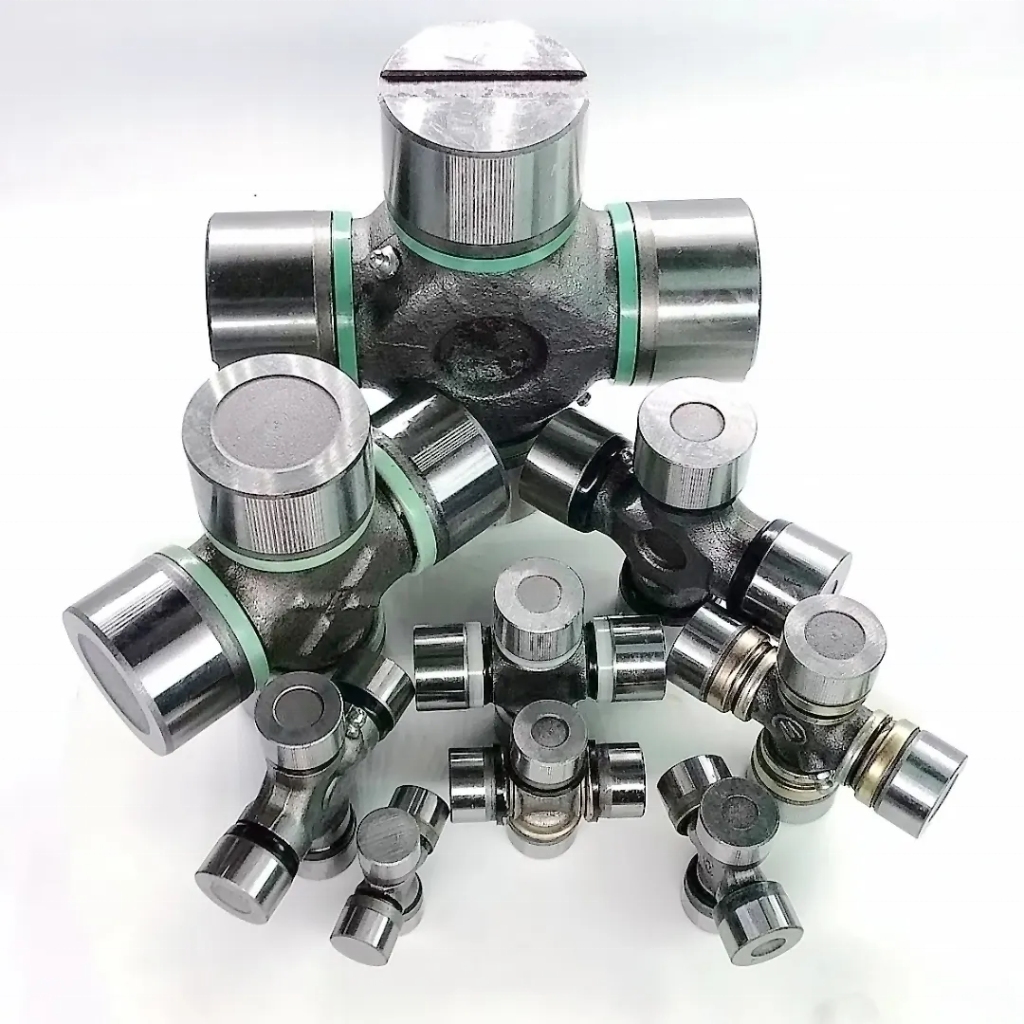
1. What Exactly Is a U-Joint?
At its core, a universal joint is a mechanical connection that lets a shaft rotate even when it’s not perfectly straight. It allows power to be transmitted through an angle, making it essential for anything with moving parts that aren’t perfectly aligned.
2. Why Do We Need Them?
The main job of a U-joint is to transfer torque and motion between two shafts that meet at an angle. Without them, your car’s drivetrain would basically snap the moment your suspension moved up or down. They provide the flexibility needed for power to flow smoothly through “bends” in a machine.
3. The Anatomy of a U-Joint
You don’t need a PhD to understand how these are built. A standard U-joint usually consists of just three main parts:
- Two Yokes: These look like “U” shaped brackets that sit on the ends of the shafts.
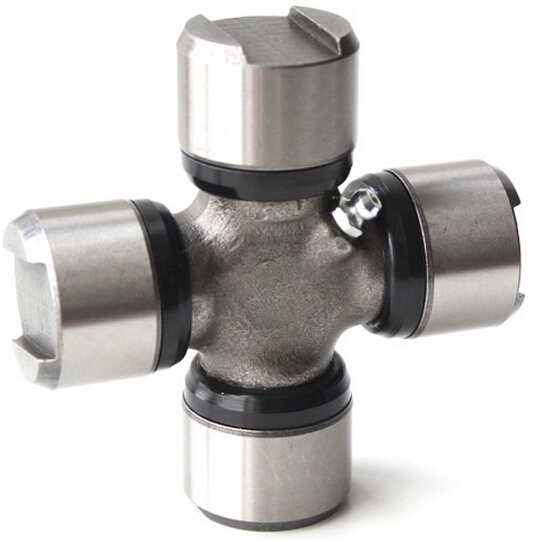
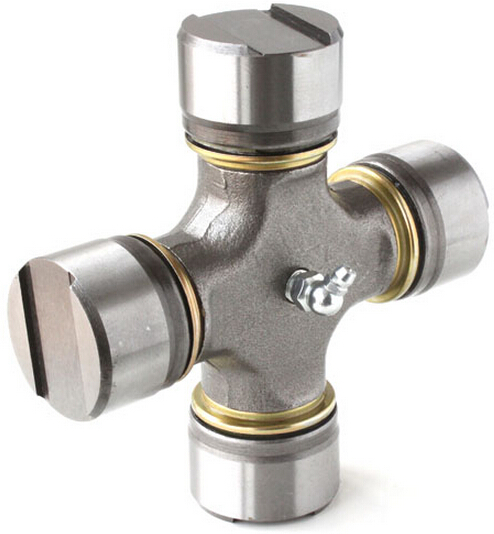
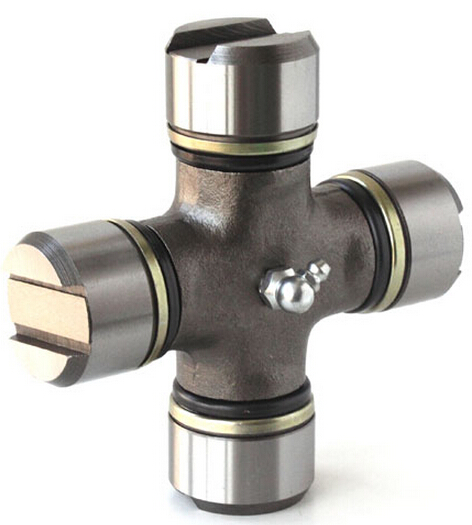
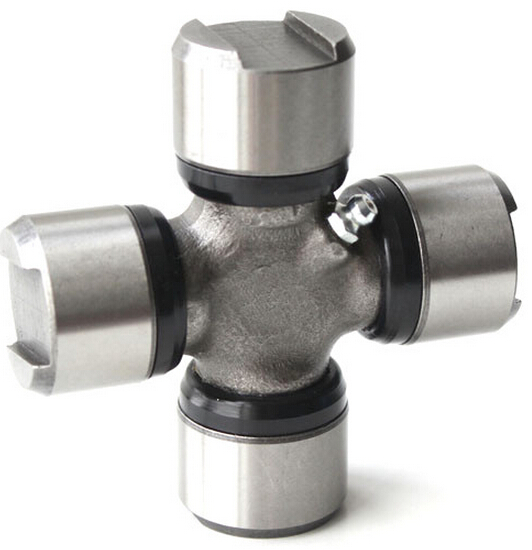
- The Cross (Spider): This is the “+” shaped piece in the middle that connects the two yokes and allows them to pivot.
- Bearings: Usually needle bearings, these sit inside the yokes to make sure the cross can rotate with as little friction as possible.
4. Common Types of U-Joints
There are a few ways to categorize these, depending on what you’re looking at:
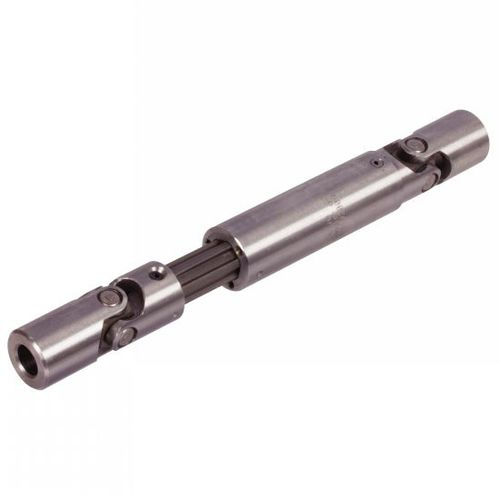
- By Joint Count: You’ve got Single U-joints (one pivot point) and Double U-joints (which use two joints to cancel out velocity changes—more on that later).
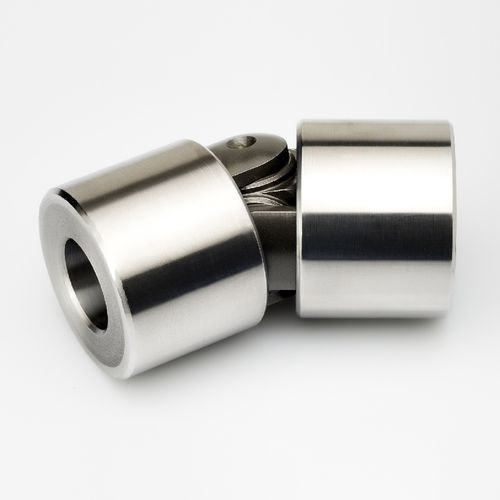
- By Material: Steel is the gold standard for heavy-duty work, but you’ll see aluminum or even plastic in lighter, specialized gear.
- By Hub Type: This refers to how they actually hook up to the shaft—think “Set Screw,” “Bore & Keyway,” or “Quick Disconnect” styles.
5. Where Are They Used?
You’ll find U-joints everywhere, but the most common spots are:
- Automotive: Connecting the transmission to the wheels via the driveshaft.
- Industrial Machinery: Powering factory conveyor belts and pumps.
- Agriculture: Linking tractors to attachments like mowers or tillers (the PTO shaft).
6. The Pros and Cons
The Good Stuff:
- They’re incredibly tough and can handle a massive amount of torque.
- They allow for huge flexibility in mechanical design.
- They are relatively cheap and easy to replace.
The Not-So-Good Stuff:
- They require regular greasing (unless they’re “sealed for life”).
- They can cause vibrations if the angles get too steep.
7. The Math Behind the Spin (Velocity Changes)
Here’s the “nerdy” part: a single U-joint doesn’t actually spin at a constant speed if it’s at an angle. Even if the input is steady, the output speeds up and slows down slightly twice per revolution.
We calculate the limits like this:
- Max Output Speed:
- Min Output Speed:
The Fun Fact: This exact mathematical phenomenon is why we have “Equation of Time” (the difference between sundial time and clock time). Because the Earth’s axis is tilted—just like a U-joint—our rotation relative to the sun isn’t perfectly uniform!
8. Quick FAQ
Q: What does a U-joint actually do?
A: It connects two shafts that aren’t in a straight line so they can still spin together. Think of it like a “flexible elbow” for machinery.
Q: What are the main parts?
A: Just three: Two Yokes (the connectors) and one Cross (the middleman).
Q: Are there different kinds?
A: Yep. The most common are Single, Double (for smoother rotation), and Telescoping (which can change length).
Looking for a reliable universal joint or drive shaft supplier?
Contact us for OEM & custom solutions tailored to your application.